
Last updated October 30, 2026
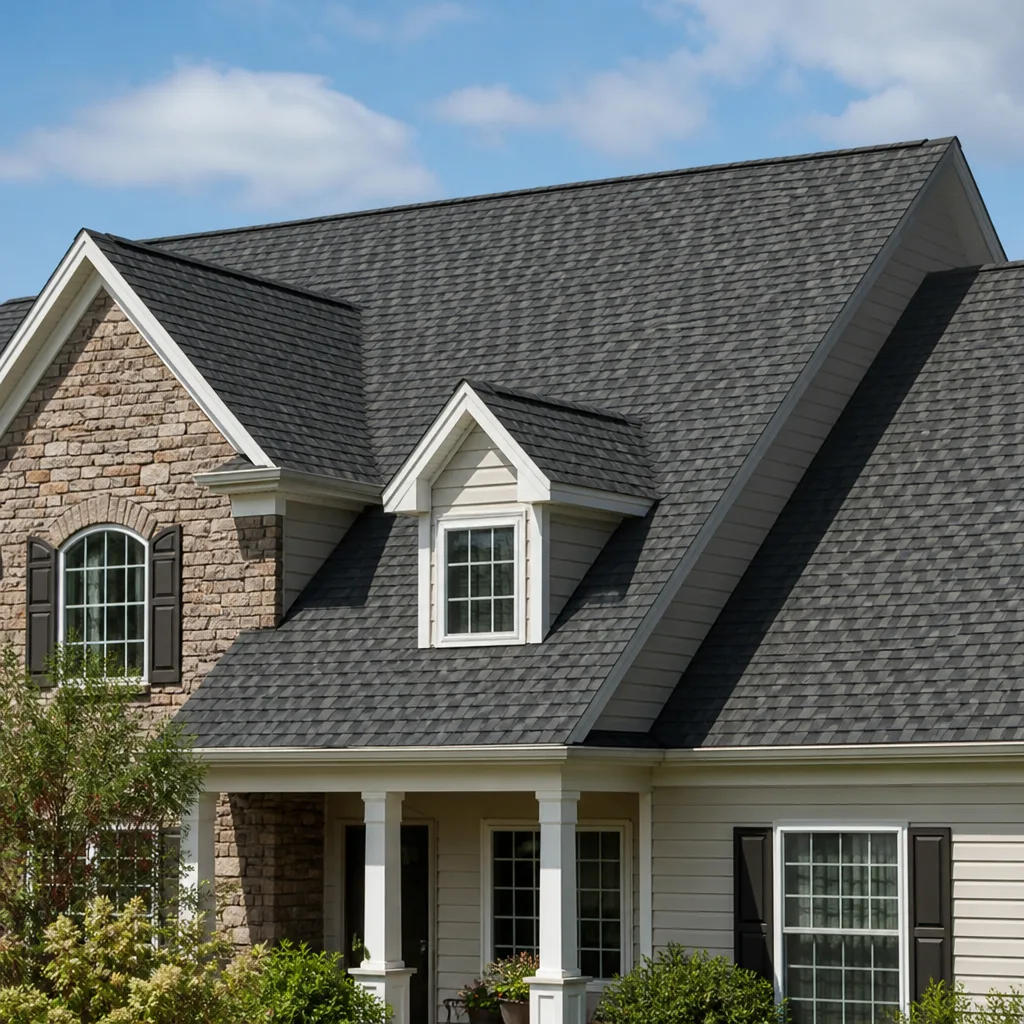 Architectural shingles
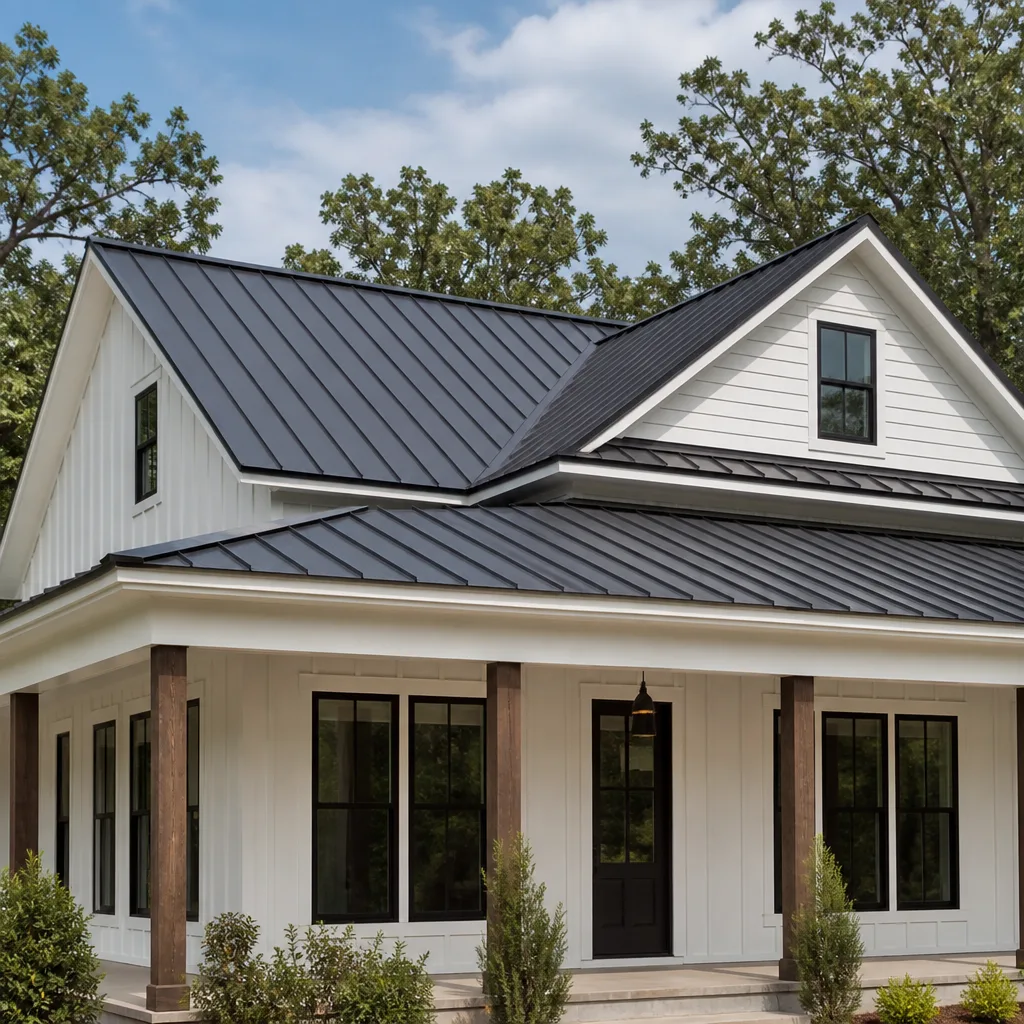 Metal roofing
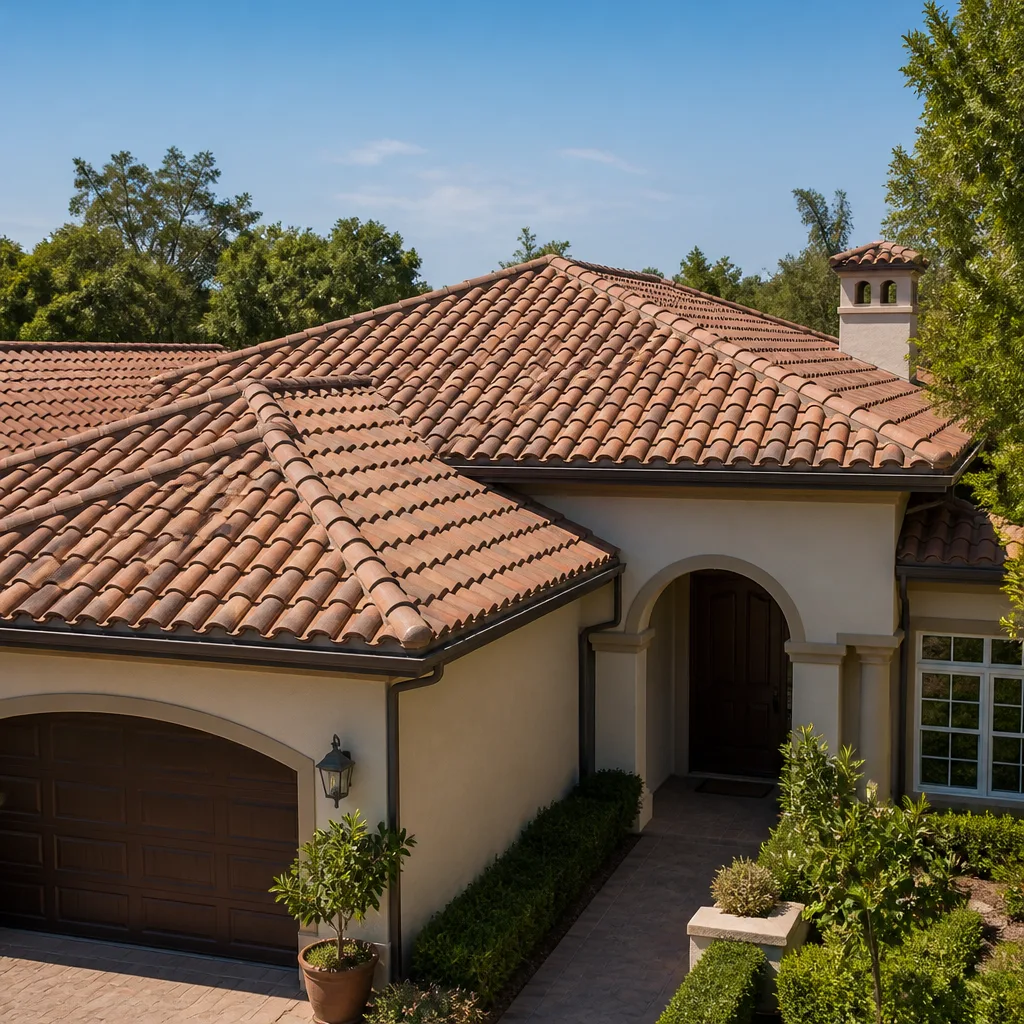 Tile roofing
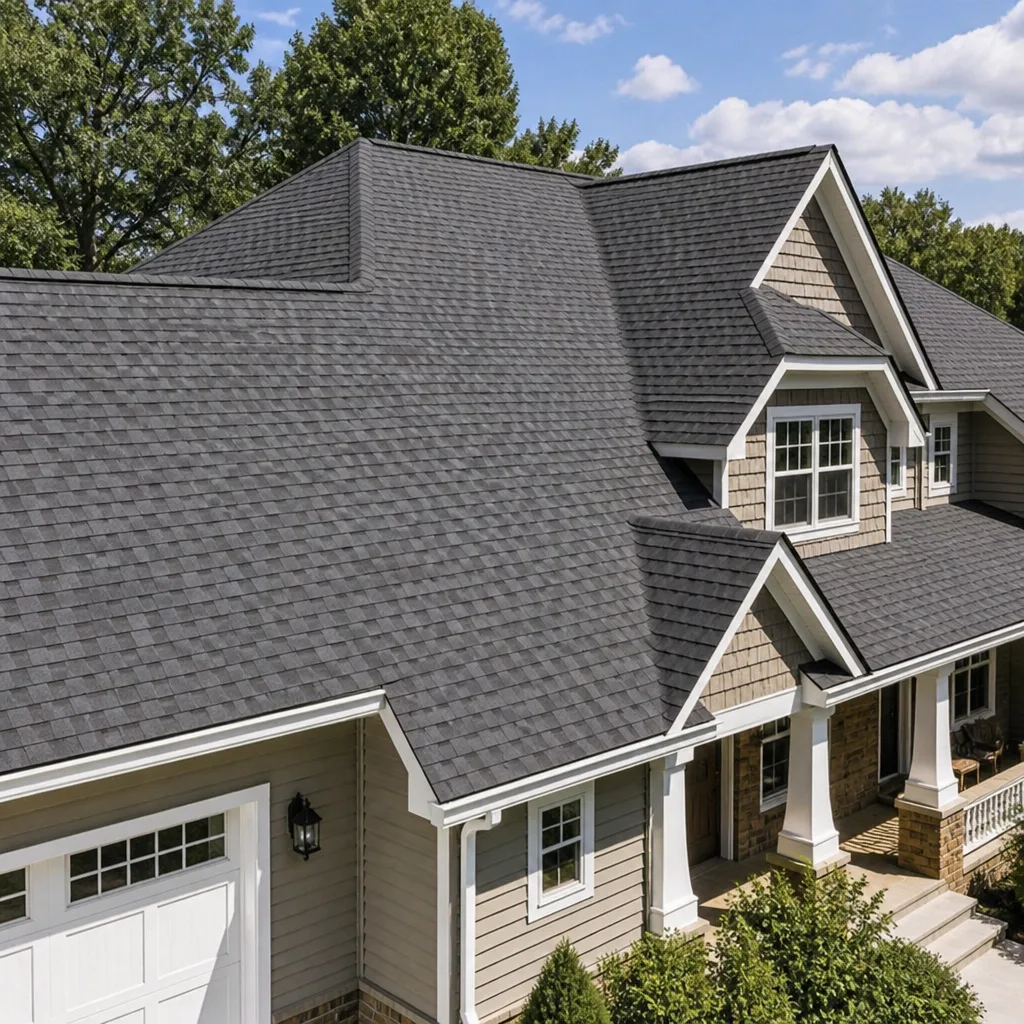 GAF
 Owens Corning
 Flat & low-slope
Free roof inspection with deck photos before we talk money - GAF and Owens Corning certified installation
The Complete Roof Repair Guide for Glendale Homeowners
Most roof repair guides are written for Seattle or Atlanta. They talk about moss, ice dams, and months of steady rain. Glendale gets 280+ sunny days a year and periodic 60 mph wind gusts during Santa Ana season. Your roof is solving a completely different physics problem than the one those guides describe. This guide maps the specific way roofs fail in Glendale, from UV thermal cycling on hillside slopes to wind damage patterns that start at the ridge caps and rake edges. You’ll learn what actually goes wrong, what to inspect after every major wind event, how to sequence repairs when multiple problems stack up, and when a repair genuinely makes more sense than a replacement.
Quick Answer
Roof repair in Glendale typically costs between $350 and $1,800 for common issues like missing shingles, small leaks, and damaged flashing, while full roof replacement runs $12,000 to $25,000 depending on roof size and material. The most frequent Glendale-specific failures are granule loss from UV exposure on south- and west-facing slopes, wind-lifted ridge caps after Santa Ana events, and deteriorated decking on homes built between 1940 and 1970. The first step is always a proper inspection to determine whether the problem is isolated or systemic.
Styles & brands we work with
Table of Contents
- How Glendale Weather Damages Roofs Differently
- UV Thermal Cycling and Why Granule Loss Happens Faster Here
- Santa Ana Wind Damage: What Fails First and Why
- Repair vs. Replace: The Glendale Decision Framework
- Permit Requirements for Glendale Roof Work
- How to Sequence Multiple Roof Repairs
- Common Mistakes to Avoid
- When to Call a Professional
- Frequently Asked Questions
How Glendale Weather Damages Roofs Differently
Glendale sits in a unique microclimate within Los Angeles County. The Verdugo Mountains to the north and the San Rafael Hills to the south create wind channels that accelerate airflow through specific neighborhoods, while the city’s elevation range, from roughly 400 feet near the LA River to over 2,000 feet in the foothills, means different homes face different exposure levels.
We’ve inspected roofs in Glendale where two houses on the same street show completely different wear patterns. The one on the uphill side with western exposure has shingles that look fifteen years older than the one shaded by a neighbor’s second story. Sun exposure, wind tunneling, and the age of the housing stock all interact in ways that generic guides don’t address.
Here’s what makes Glendale’s roof damage profile distinct:
- Santa Ana wind events arrive from the northeast, hitting ridge caps and rake edges at angles most roofs weren’t designed to defend against. These winds peak in October through December but can occur anytime.
- Thermal cycling is aggressive. Summer daytime temperatures regularly exceed 95°F, then drop 30 to 40 degrees overnight. Shingles expand and contract daily, which accelerates aging beyond what national lifespan charts predict.
- Hillside homes face angled sun exposure. South-facing slopes in neighborhoods like Adams Hill, Rossmoyne, and Verdugo Woodlands receive intense direct sun for more hours per day than flatland homes, cooking the granule coating off shingles faster.
- Aging housing stock. A large share of Glendale homes were built between 1940 and 1970. Original roof decking on these homes is often plywood or spaced boards that have never been replaced, meaning even a minor leak can reveal structural issues beneath the shingles.
Understanding these patterns matters because it changes what you inspect, how often you inspect it, and what you should expect to spend on repairs over the life of the roof. A repair that works in a mild coastal climate may fail within two years in Glendale if the underlying cause, usually heat or wind damage at a specific junction point, isn’t addressed.
UV Thermal Cycling and Why Granule Loss Happens Faster Here
Shingle granules are more than cosmetic. They’re the UV shield that protects the asphalt layer underneath. When granules wear away, the asphalt oxidizes, becomes brittle, and eventually cracks. In Glendale, this process happens measurably faster than national averages predict.
Quick Answer: South- and west-facing roof slopes in Glendale can lose granules 20 to 30 percent faster than the manufacturer’s rated lifespan suggests, meaning a 30-year shingle may show significant wear in 18 to 22 years on those exposures.
Here’s the mechanism. During a Glendale summer day, roof surface temperatures can reach 160°F or higher on direct-sun slopes. At night, temperatures fall into the 70s or 80s. That’s a thermal swing of 80+ degrees every 24 hours. Multiply that by roughly 200 hot days per year, and you get thousands of expansion and contraction cycles annually. Each cycle slightly loosens the granule-to-asphalt bond. Over time, granules begin to slough off. You’ll see them in your gutters or at downspout outlets, especially after the first heavy rain of the season.
What to look for during a visual inspection:
- Bald spots or discolored patches on south- and west-facing slopes, especially near the peak where sun exposure is most direct.
- Grit in gutters and downspouts. A small amount is normal for the first year. Heavy accumulation on an older roof is a warning sign.
- Shingles that look shiny or glossy in direct sunlight. That’s exposed asphalt, not a healthy surface.
- Curling at shingle edges. Thermal cycling causes the mat to contract, which pulls the corners upward.
One thing we tell Glendale homeowners: don’t judge the health of your roof by the north-facing slope. It’s almost always in better condition than the south and west exposures. A full assessment requires looking at all four sides and comparing the difference. When one side shows significant wear and the others don’t, a targeted slope replacement, which is a repair, not a full replacement, can extend the roof’s life by several years.
Santa Ana Wind Damage: What Fails First and Why
Santa Ana winds are the single most under-appreciated roof hazard in Glendale. They don’t just blow shingles off. They create uplift pressure at specific roof geometry points that, over repeated events, cause progressive fastener failure.
Quick Answer: After any Santa Ana wind event with gusts over 40 mph, inspect your ridge caps first, then the rake edges, then any flashing at chimneys, vents, or transitions. These are the three areas where wind damage in Glendale originates most frequently.
The physics is straightforward. Wind hitting a roof doesn’t just push down, it also creates negative pressure, better described as suction, on the leeward side and at edges where airflow separates. Ridge caps sit at the highest point of your roof. They’re perpendicular to the wind direction during typical northeast Santa Ana flows, which means they take the brunt of the lifting force.
Here’s the failure sequence we consistently see in Glendale:
- Ridge cap shingles loosen. The adhesive strips that hold them down lose grip under repeated wind loading. You may not notice anything until a strong gust peels one or two off completely.
- Rake edge shingles lift. Rake edges are the sloped edges at the gable ends. Wind catches them from underneath and pries upward. Nails pull through over time, leaving the shingle attached but no longer sealed.
- Flashing bends or pulls away. Chimney flashing, vent pipe boots, and valley metal take concentrated wind loads. Once flashing separates from the roof surface, even by a quarter inch, water entry begins with the next rain.
What to do after every major Santa Ana event in Glendale:
- Walk the perimeter of your home and look for shingles in the yard or on the driveway. If you find them, get on the roof or call a professional to inspect the source area.
- Look from the street at your ridge line. Missing ridge caps are visible as dark gaps along the peak.
- Check your attic for daylight penetration. On a sunny day, visible light at the ridge or along rake edges means gaps exist in the roof deck.
- Inspect interior ceilings for fresh water stains, especially near exterior wall lines where wind-driven rain can enter.
One Glendale pattern worth knowing: homes in the northern foothills, particularly in Verdugo Woodlands and La Crescenta-adjacent neighborhoods, experience stronger sustained winds than homes south of the 134. If your home sits on a hillside with exposure to the northeast, regular post-wind inspections are not optional, they’re the difference between a $400 repair and a $4,000 repair.
Repair vs. Replace: The Glendale Decision Framework
The repair-versus-replacement decision is where Glendale homeowners get the most conflicting advice. Some contractors default to replacement because it’s a bigger job. Others patch problems without addressing the underlying condition. The truth sits in the middle, and it depends on three factors specific to this area.
Quick Answer: Repair makes sense when the roof deck is dry and structurally sound, the shingles still have granule coverage on three of four slopes, and the problems are isolated to specific areas like flashing, ridge caps, or a single damaged slope. Replacement becomes necessary when the deck is compromised, leaks have been active long enough to damage the underlayment, or granule loss has progressed across the majority of the roof surface.
Here’s the decision framework we use when assessing Glendale roofs:
- Check the deck first. On Glendale homes built between the 1940s and 1970s, the roof deck is often the deciding factor. If plywood or board decking is delaminated, rotted, or sagging between rafters, no repair on top of it will hold. Spot deck replacement is sometimes possible, but if more than 30 percent of the deck needs work, a full replacement is usually the better financial decision.
- Assess leak history. A single leak that appeared after a storm and was caught quickly can often be repaired cleanly. Multiple leaks in different areas, especially if they’ve been active for more than one rainy season, usually indicate that the underlayment has failed in ways that spot repairs won’t fix.
- Compare slope conditions. If the south-facing slope is significantly degraded but the other three slopes still have healthy granule coverage, a slope-specific replacement or reinforced repair can buy you several years. If all four slopes show equivalent wear, the roof has reached the end of its service life uniformly.
- Consider the age of the roof. Most asphalt shingle roofs in Glendale last 18 to 25 years on exposed slopes and 25 to 30 years on shaded slopes. If your roof is past year 20 and showing multiple issues, replacement often costs less per year of remaining service life than repeated repairs.
- Look at the flashing system overall. Flashing failures are the most repairable roof problem. If the shingles are fine but chimney flashing, pipe boots, or valley metal are failing, that’s a repair scenario regardless of roof age.
Our advice to Glendale homeowners is consistent: don’t make this decision without a proper inspection. At Roof Inspection in Glendale, we document deck condition, slope-by-slope granule coverage, and flashing integrity before recommending anything. That’s the only way to know whether you’re looking at a $500 fix or a $15,000 replacement, and anyone who gives you a quote without looking under the shingles is guessing.
Permit Requirements for Glendale Roof Work
Glendale has its own building department and follows the California Building Code with local amendments. Whether you need a permit depends on the scope of the work.
Quick Answer: Minor roof repairs, including replacing isolated shingles, resealing flashing, and patching small areas, generally do not require a permit in Glendale. Full roof replacements and structural repairs to the roof deck or framing do require a permit and inspection.
Here’s a practical breakdown of Glendale’s permit expectations:
- No permit typically needed: Replacing fewer than 20 percent of the shingles in a single repair, resealing or replacing individual flashing pieces, repairing small sections of underlayment beneath isolated shingle areas, and gutter or downspout work that doesn’t affect the roof structure.
- Permit required: Full roof replacement, any repair that involves replacing or repairing roof sheathing or decking, changes to the roof structure like adding or removing skylights or vents, and any work on roofs with unusual structural systems like some mid-century modern homes in Glendale’s hillside neighborhoods.
- Inspections: When a permit is pulled, Glendale requires a final inspection after the work is complete. The inspector verifies that the underlayment, flashing, and shingle installation meet current code, including nailing patterns and edge metal requirements.
There’s a specific Glendale consideration with older homes. Many houses in the 91205, 91206, and 91208 zip codes have roof decks that don’t meet current shear requirements for seismic loads. If your repair requires opening up a significant section of the deck, the inspector may require you to bring that section up to current code, which can mean adding plywood thickness or improving the connection between the deck and the rafters. This is one reason a “simple” repair on an older Glendale home can occasionally become a more involved project once the deck is exposed.
The practical takeaway: for minor repairs, don’t overthink the permit question. For anything involving deck replacement or full reroofing, work with a contractor who handles the Glendale permit process as part of the job. It protects you from expensive corrections later.
How to Sequence Multiple Roof Repairs
When a roof has several issues at once, which is common on older Glendale homes, the order of repairs matters. Fixing things in the wrong sequence can mean doing work twice or leaving a water entry point open while you address a cosmetic issue.
Quick Answer: Sequence roof repairs by water-entry risk first: stop active leaks and seal any opening in the roofing system, then address structural issues like deck damage, then fix wind-vulnerable areas like ridge caps and rake edges, and finally handle cosmetic or preventive work like granule loss or staining.
Here’s the step-by-step sequence we follow for multi-issue Glendale roofs:
- Stop active water intrusion. Repair any point where water is entering the home. That means patching leaks, replacing failed flashing, and sealing penetrations. Every day water enters, the deck and interior framing absorb more moisture, expanding the scope and cost of repairs.
- Repair or replace damaged decking. Once the roof is water-tight, address the structural layer. Rotted or delaminated deck sections can’t be properly repaired from above without first stopping the moisture source.
- Fix wind-vulnerable areas. Ridge caps, rake edges, and any shingles lifted by Santa Ana winds get secured or replaced. These areas are the first to fail in the next wind event and can cause secondary damage when they go.
- Address ventilation and airflow. If your attic has inadequate ventilation, which is common on Glendale homes with original gable vents only, correcting this before doing cosmetic shingle work prevents premature aging on the new materials.
- Complete cosmetic and preventive work. Last on the list: replacing granule-stripped shingles on exposed slopes, sealing surface cracks, and any aesthetic improvements. These don’t stop immediate damage, but they extend the roof’s functional life.
A common trap is treating the most visible problem first. A homeowner sees missing shingles on the front slope and calls for a repair, while the real water entry is happening at a failed pipe boot on the back slope that’s been leaking into the attic for months. The missing shingles are what you see from the street, but the pipe boot is what’s causing the damage. Inspection first, then sequencing by water risk, prevents this.
Common Mistakes to Avoid
- Ignoring the south-facing slope. Glendale homeowners often judge their roof by the street-facing side, which may be north-facing and shaded. The exposed south and west slopes can be years older in roof terms. Inspect all four sides before making any repair decisions.
- Waiting to inspect after a Santa Ana event. Wind damage often isn’t visually obvious from the ground. Small lifting at ridge caps or rake edges can go unnoticed until the next rain, at which point the repair is no longer minor. Inspect within a week of any event with gusts over 40 mph.
- Patching a leak without checking the deck. A shingle patch over rotted decking is temporary at best. The deck will continue to sag, the nails won’t hold, and the patch will fail within a season or two. Always check what’s underneath before sealing the surface.
- Replacing shingles without matching the existing material. Different shingle profiles and colors age at different rates. A mismatched repair on a visible Glendale slope will be obvious and may affect water-shedding at the seam where new meets old. Brand-matched repairs matter, which is one reason we work with materials from Owens Corning, IKO, Atlas, and other major manufacturers.
- Assuming all leaks come from the roof surface. On hillside Glendale homes, water can enter through siding, windows, or chimney mortar cracks and travel along framing before showing up as a ceiling stain. A roof repair won’t fix a leak that isn’t from the roof. Proper diagnosis is the first step, not a shingle patch.
- Paying for a full replacement when a slope repair would work. If three slopes are healthy and one is degraded, a targeted slope replacement can cost a third to half of a full reroof and extend the roof’s life by years. Be wary of contractors who won’t discuss this option.
When to Call a Professional
Some roof issues you can evaluate from the ground. Many you cannot. Call a professional when you see water stains on interior ceilings or walls, which means active water entry that needs immediate diagnosis. Call when you find shingles in your yard after a wind event, because the source area needs assessment for hidden damage. Call when you notice granules accumulating in gutters at an unusual rate, especially if your roof is more than ten years old. And call when you’re considering selling your Glendale home, since roof condition affects both inspection contingencies and home insurance renewals. Weathervane Roof Repair offers free estimates in Glendale, call (877) 755-4274. We’ll tell you exactly what your roof needs, and what it doesn’t. Our Roof Repair in Glendale service starts with a documented inspection so you can see the evidence before you spend a dollar.
Frequently Asked Questions
Roof repairs in Glendale typically cost between $350 and $1,800 depending on the scope, with small flashing repairs at the lower end and multi-area wind damage repairs at the higher end. A documented repair quote for our Roof Repair services should include materials, labor, and any needed access equipment, and you should receive it in writing before work begins. Call (877) 755-4274 for an exact quote, estimates are free.
After any Santa Ana wind event with gusts over 40 mph, you should check for missing shingles, lifted ridge caps, and flashing separation, all of which indicate repair is needed. Even if you see nothing from the ground, wind can lift shingles enough to break the adhesive seal without fully removing them, which means a professional inspection is the only way to confirm the roof is intact. Call (877) 755-4274 to schedule a post-wind inspection in Glendale.
Simple repairs like replacing a single missing shingle or resealing a small flashing gap can be done by a handy homeowner, but working on a roof carries real fall risks, especially on Glendale’s hillside homes with steep pitches. For anything beyond a single-shingle replacement or ground-level inspection, the risk of injury and the risk of creating a new leak outweigh the cost savings, as covered in our DIY vs Professional Roofing: The Glendale Homeowner’s Decision Guide. When in doubt, call a professional.
With a proper upfront inspection—see How to Hire a Roofing Contractor in Glendale: A Step-by-Step Guide for what to expect—your repair quote should include everything the contractor found, and the final price should match the written estimate unless hidden damage is discovered when materials are removed. In cases where deck damage or additional water intrusion is found, a good contractor will document it with photos and get your approval before doing any additional work. At Weathervane Roof Repair, we provide written line-item quotes and don’t change orders without documented evidence and signed approval.
Most common roof repairs, including flashing replacement, ridge cap repair, and small slope patches, take one half-day to one full day to complete. Larger repairs involving deck replacement or multiple slopes may take two to three days. Weather in Glendale rarely causes major delays, but high wind days can pause roof work temporarily for safety reasons, which may extend the timeline slightly.
Minor roof repairs that cover less than 20 percent of the total roof area and don’t involve structural deck work generally do not require a permit in Glendale. Full replacements, deck repairs, and structural changes do require a permit with a final inspection by the city. If you’re unsure, call the Glendale Building and Safety Division or ask your contractor to verify before work begins. Our Roof Replacement in Glendale service includes full permit handling when a permit is required.
The Bottom Line
Glendale roofs fail in patterns specific to this city: UV thermal cycling on exposed slopes, Santa Ana wind damage at ridge caps and rake edges, and age-related deck deterioration on homes built between the 1940s and 1970s. The right repair approach starts with a real inspection, not a sales pitch. Sequence repairs by water-entry risk, know when a permit applies, and don’t let anyone talk you into a replacement when a repair, or a slope-specific repair, will do the job. Inspection first, repairs only when they’re warranted. That’s how we work. Weathervane Roof Repair home is your starting point for an honest assessment, free estimates, and straight answers in Glendale.
Written by the team at Weathervane Roof Repair, serving Glendale since 2014. Explore more guides & resources.
See the difference
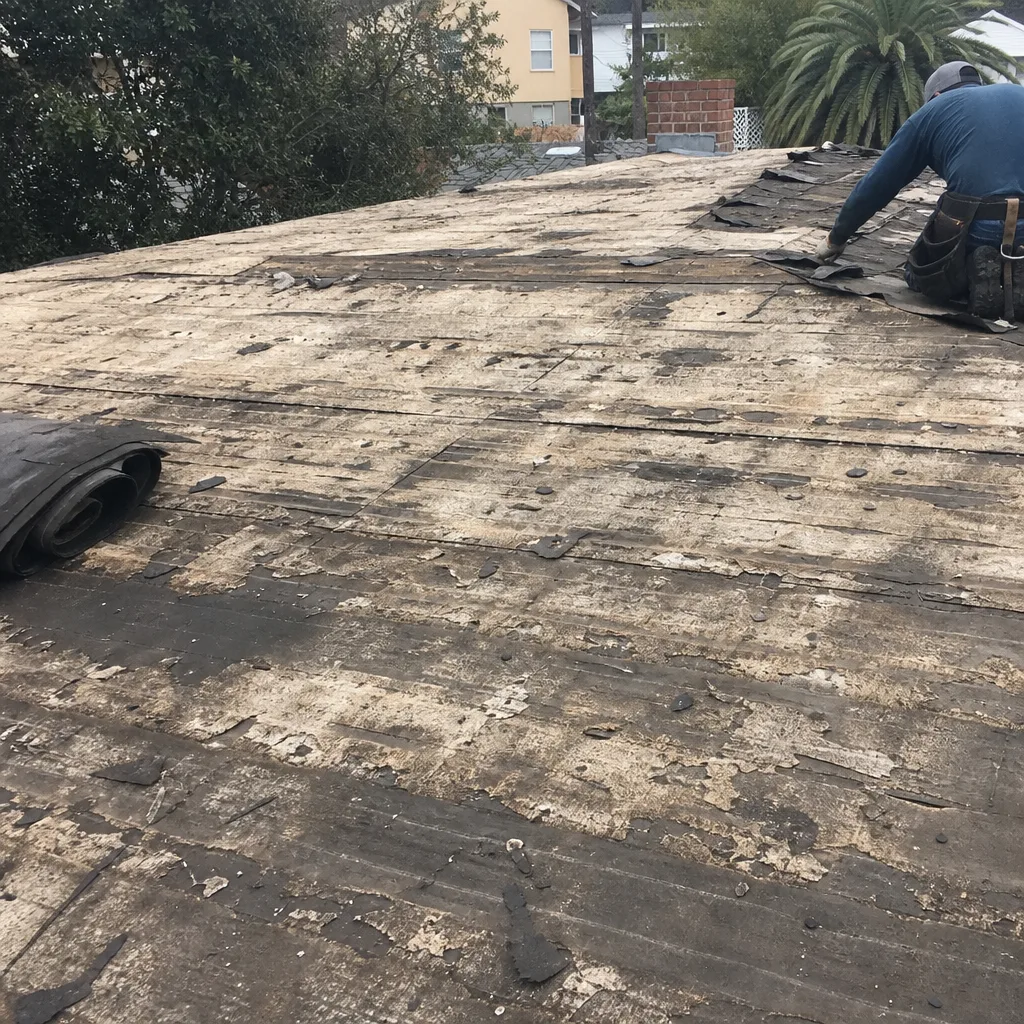 Before
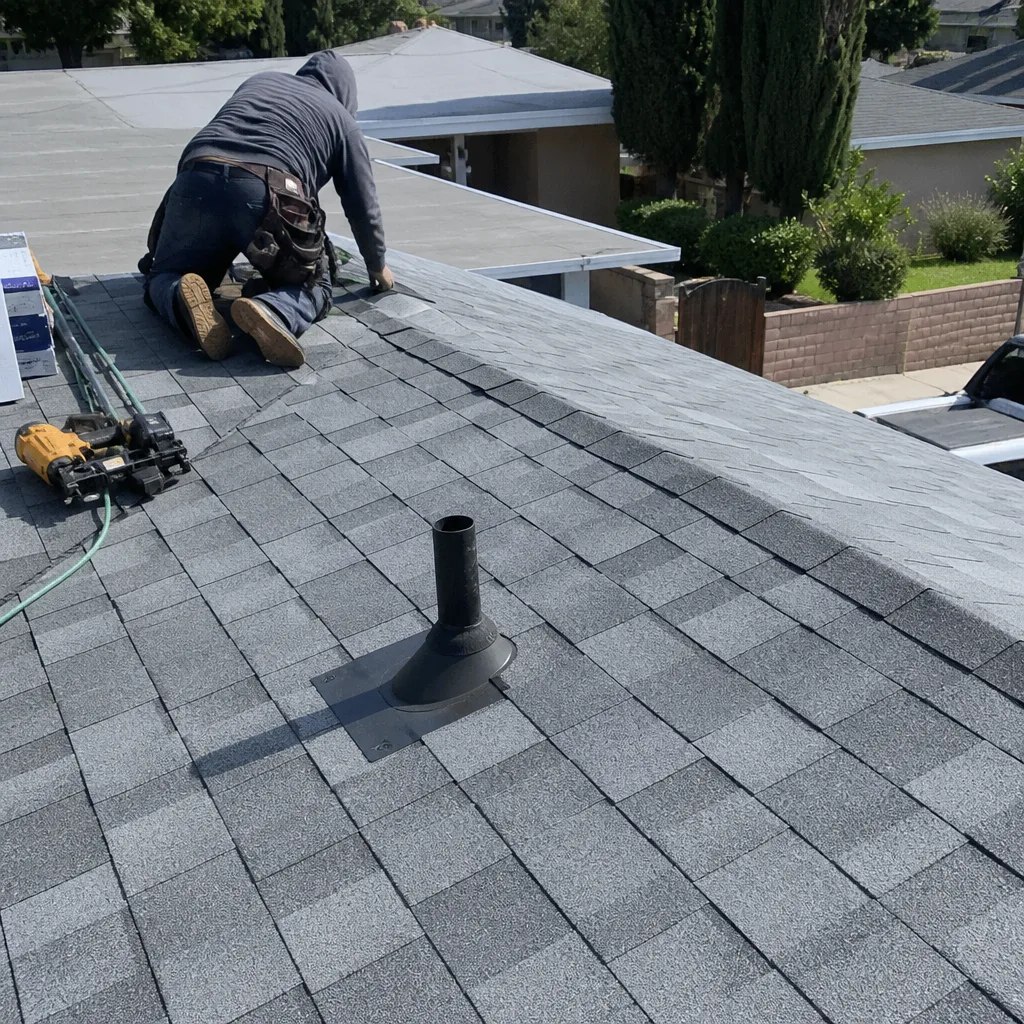 After
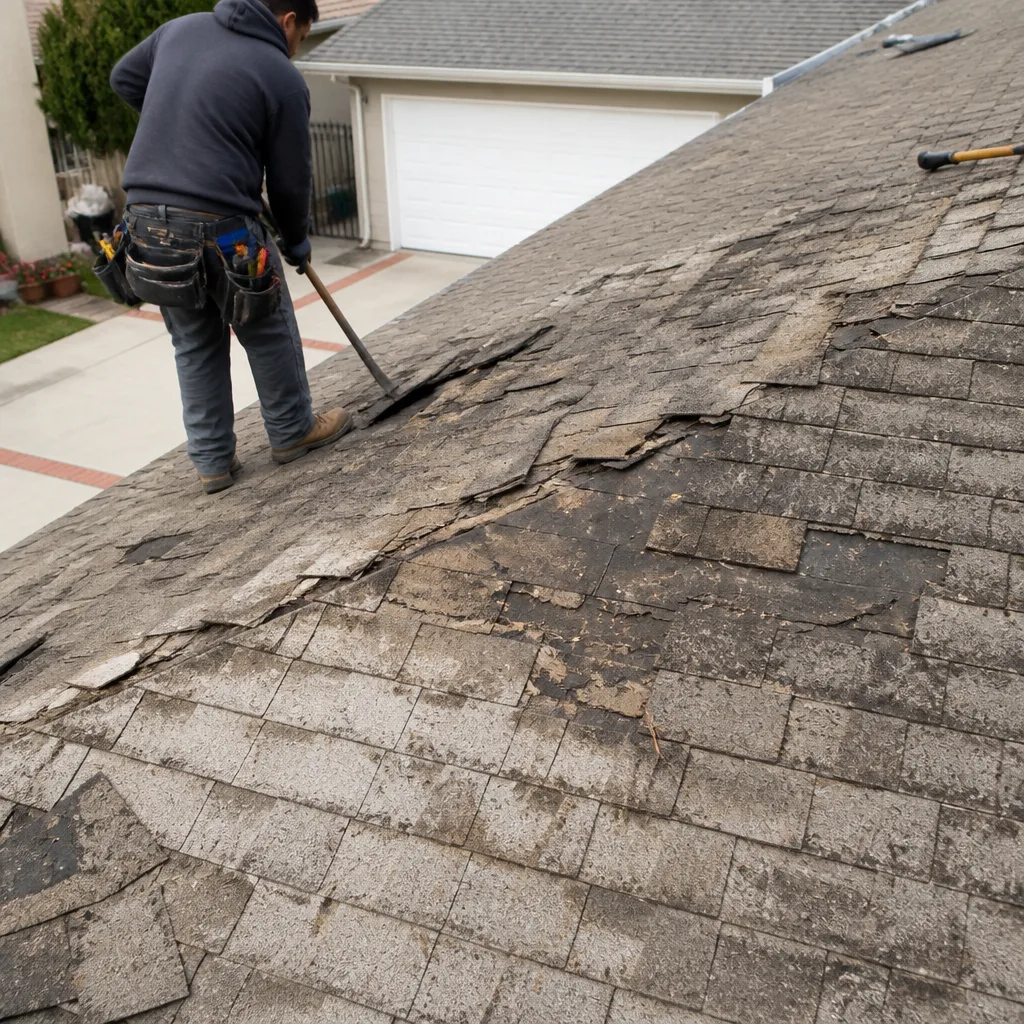 Before
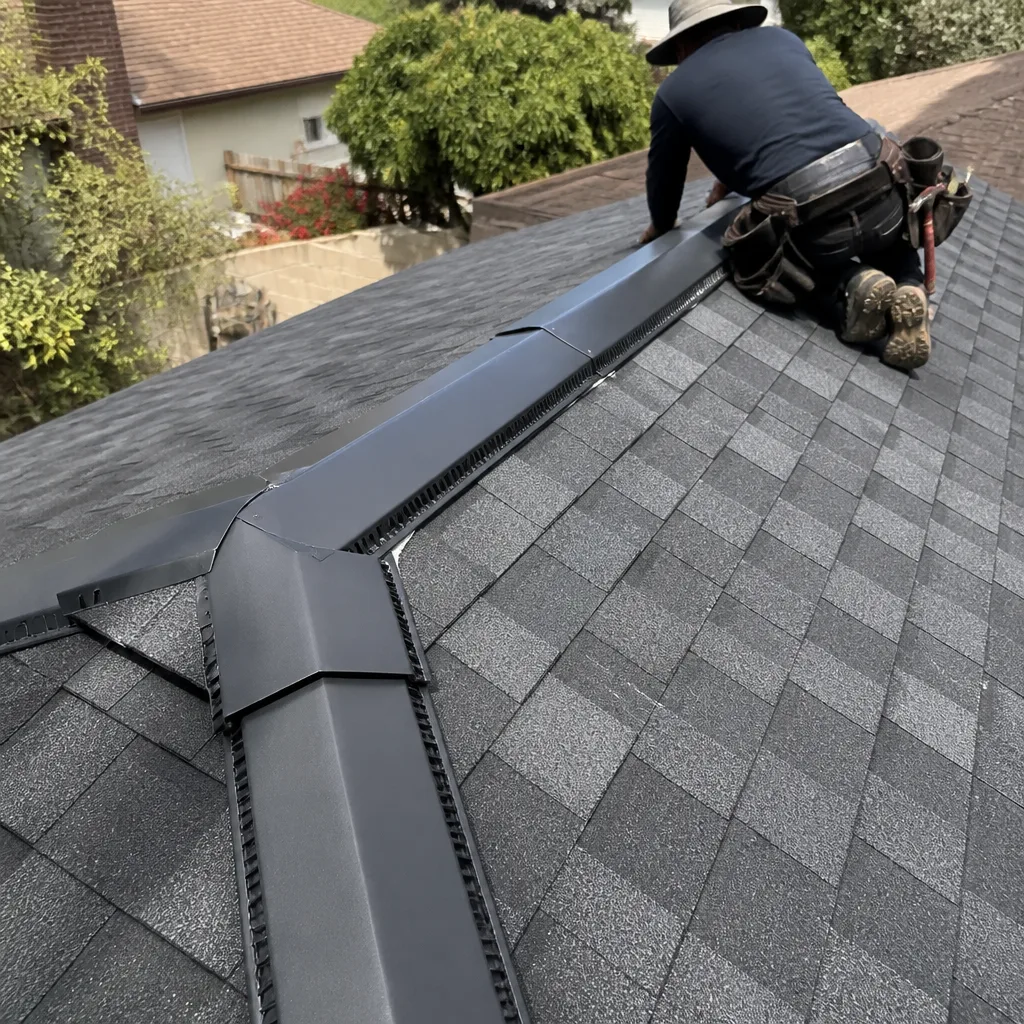 After
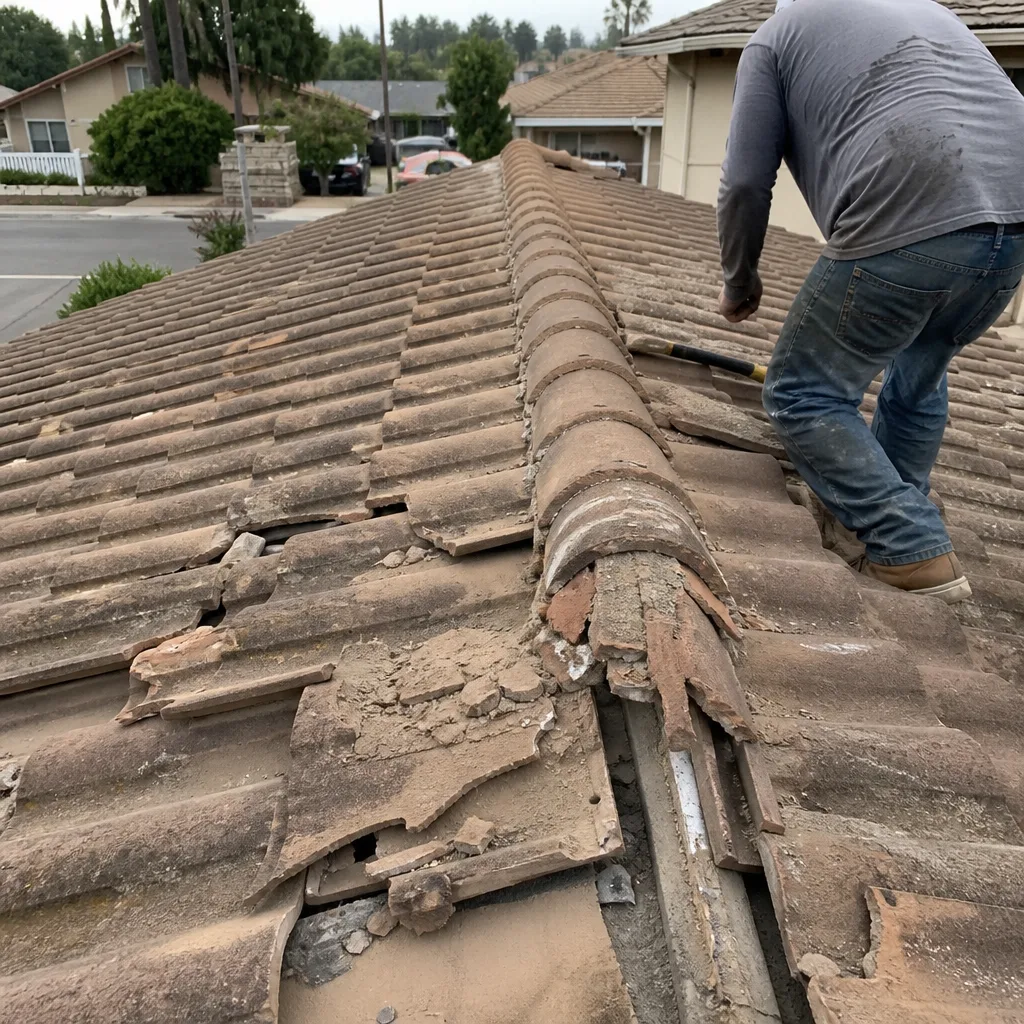 Before
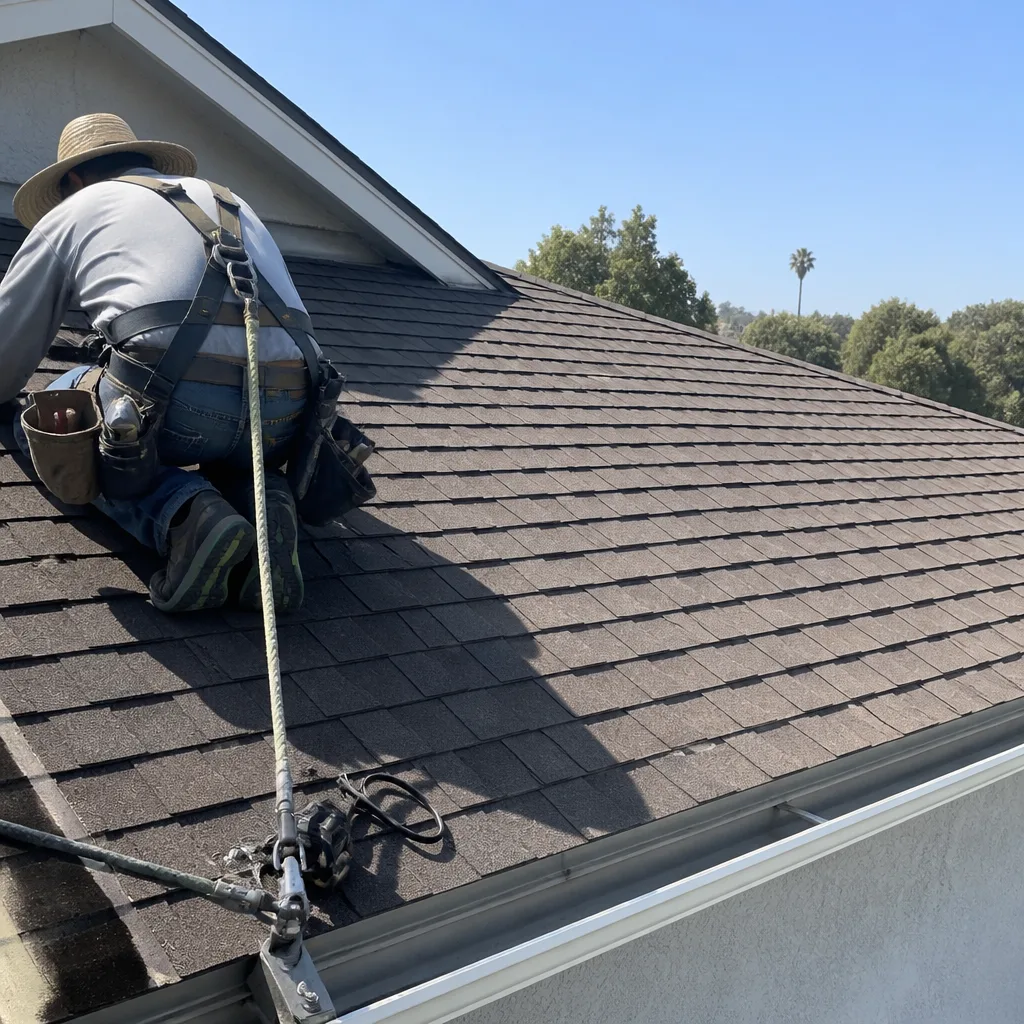 After