
Last updated October 30, 2026
 Architectural shingles
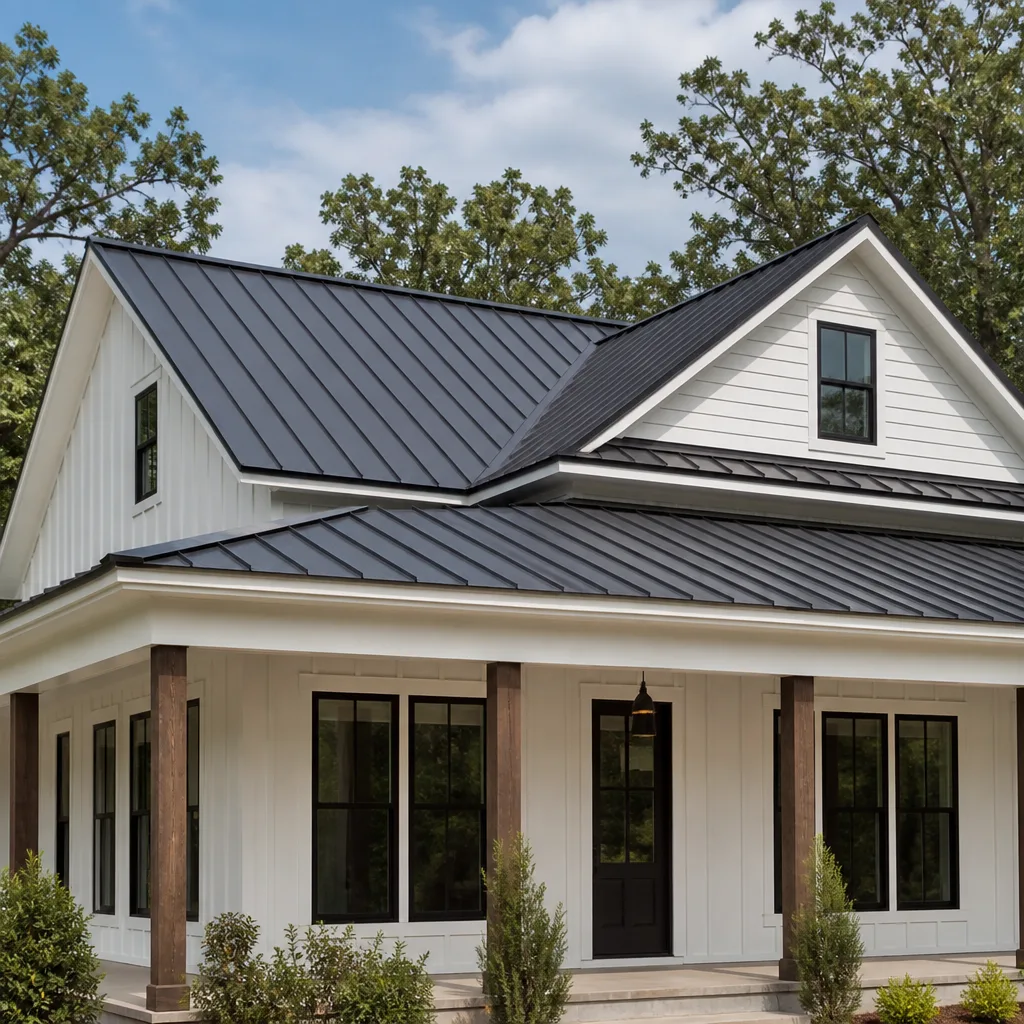 Metal roofing
 Tile roofing
 GAF
 Owens Corning
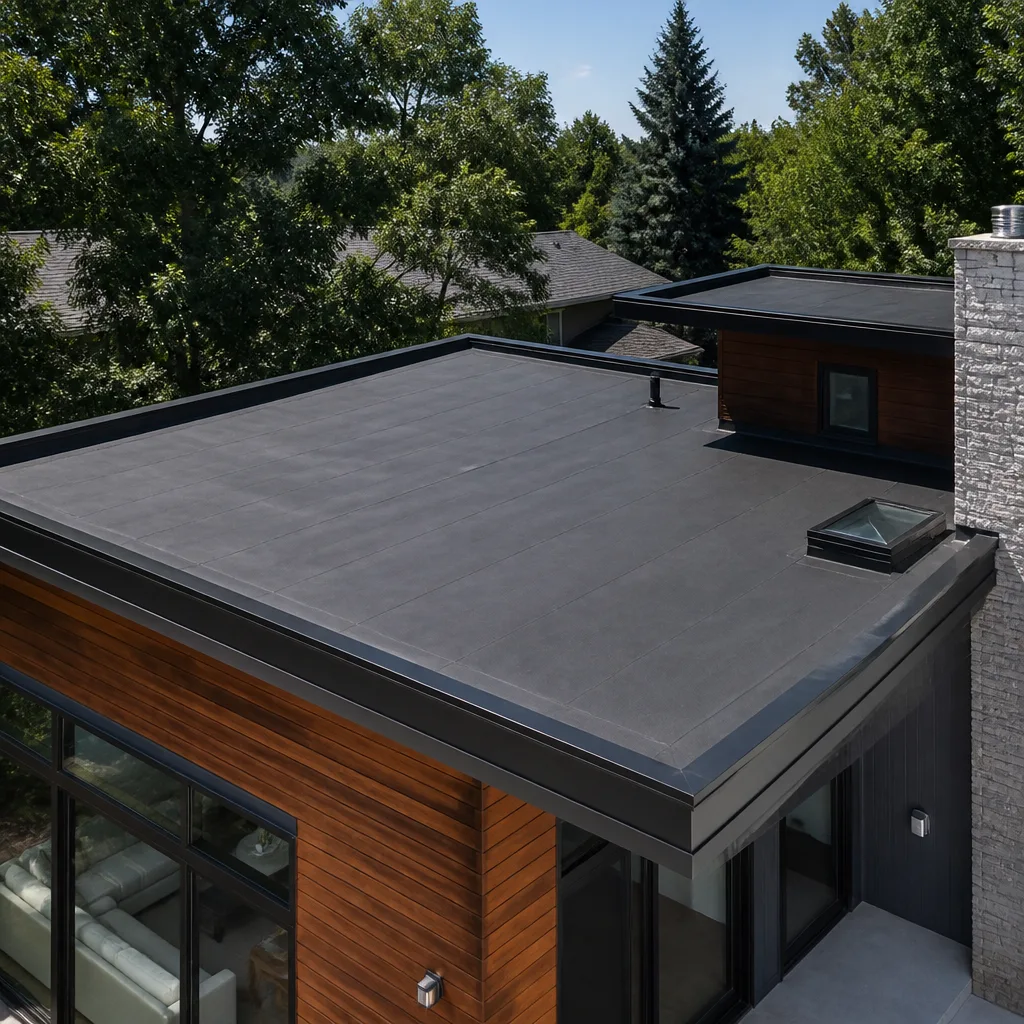 Flat & low-slope
Free roof inspection with deck photos before we talk money - GAF and Owens Corning certified installation
Roof Repair Maintenance Checklist for Glendale Homeowners
Here’s a number most Glendale homeowners never hear: the majority of roof leaks reported after January rains trace back to damage that happened in October, during Santa Ana wind events that almost nobody walked outside to inspect. The sun-baked hillsides and dry arroyos that make Glendale beautiful also create a maintenance calendar that has almost nothing in common with the spring/fall rhythm most national checklists assume. What follows is a roof care system built specifically for this city’s climate, its debris, and its weather patterns. You’ll learn exactly when to look, what to look for, and how to catch a $200 repair before it becomes a $2,000 replacement.
Styles & brands we work with
Quick Answer
A Glendale roof maintenance checklist should follow three distinct seasonal windows: a Santa Ana pre-check each September through November, a pre-rain inspection each December, and a post-storm assessment after every significant wind or rain event. The most important tasks are clearing debris from valleys and scuppers, checking for tile creep on low-pitch sections, inspecting ridge caps for lifting, and documenting any new damage with photos before it worsens.
Table of Contents
- Why Glendale’s Climate Breaks the Standard Maintenance Calendar
- The Santa Ana Wind Season Pre-Check (September – November)
- The Pre-Rain Inspection: What Actually Matters Before December Storms
- Tile Creep: The Silent Low-Pitch Roof Problem in Glendale
- Glendale Debris Guide: Eucalyptus, Palm Fronds, and Foothill Pine Needles
- Post-Wind Photo Documentation: Protecting Future Insurance Claims
- Ridge Caps: The Under-$200 Repair That Becomes a $2,000 Problem
- Your Seasonal Maintenance Calendar at a Glance
- Common Mistakes to Avoid
- When to Call a Professional
- Frequently Asked Questions
- The Bottom Line
Why Glendale’s Climate Breaks the Standard Maintenance Calendar
Most roof maintenance advice online assumes four even seasons: winter freeze, spring thaw, summer rain, fall prep. Glendale doesn’t work that way. The city averages roughly 17 inches of rain annually, almost all of it compressed into a three-to-four-month window between December and March. That means your roof spends eight months of the year baking under intense sun and dry heat, then gets hit with concentrated rainfall in short, sometimes violent bursts.
This cycle changes how roofing materials fail. Asphalt shingles in Glendale don’t typically rot from moisture; they dry out, become brittle, and crack along their adhesive strips. Concrete and clay tiles, common across the Verdugo Hills and the Moorpark area, suffer from thermal expansion and contraction that gradually shifts them out of position. Flashing at chimneys and skylights sees extreme temperature swings that loosen sealants faster than in coastal cities like Long Beach.
And then there’s the wind. The Santa Ana winds that rip through the Crescenta Valley and down into Glendale each fall are not like regular gusts. They’re sustained, dry, and capable of lifting shingle edges, dislodging tiles, and depositing debris in places that create drainage problems weeks before the first real rain arrives. If you’re doing a “spring and fall” inspection by the national template, you’re inspecting the wrong things at the wrong time.
At Weathervane Roof Repair home, we’ve built our inspection timing around Glendale’s actual weather patterns, not a generic seasonal calendar. That’s the foundation every other maintenance task in this guide sits on.
The Santa Ana Wind Season Pre-Check (September – November)
The Santa Ana season is when most winter roof damage actually originates. The winds start in September or October, sometimes reaching 50 to 70 mph in the foothills and canyons. They arrive before any rain, so damage happens in dry conditions that homeowners rarely think to inspect. Here’s the pre-check list we recommend to every homeowner in Glendale.
- Inspect the ridge line from the ground first. Walk to the street or a neighbor’s driveway where you can see the full ridge. Look for any cap tiles or shingles that appear lifted, crooked, or missing. Binoculars work well if you have them.
- Check all roof-to-wall intersections. The flashing where the roof meets stucco walls or chimneys is the first place wind-driven debris and uplift cause separation. Look for gaps, lifted metal, or exposed sealant edges.
- Walk the perimeter and look at the ground. After a wind event, loose granules from asphalt shingles collect in gutters and at downspout bases. Small piles of granules mean the shingle surface is degrading faster than it should. Broken tile fragments on the ground indicate something shifted above.
- Examine rooftop penetrations. Plumbing vent boots, attic vents, and any rooftop equipment should be checked for cracks or cracking rubber collars. The dry air and heat of late summer leave rubber boots brittle, and Santa Ana winds finish them off.
- Clear valleys and scuppers before wind deposits more. A valley partially blocked in October becomes a dam by December. Remove any accumulated leaves, twigs, or seed pods now, when the roof is dry and safe, rather than after rain has made it slick.
This list reads as simple, but it prevents the majority of Glendale winter leak calls we see. The damage is almost always there in November, waiting for January rain to expose it.
The Pre-Rain Inspection: What Actually Matters Before December Storms
Once the first real rain fronts start forming in late November or early December, the inspection focus shifts from wind damage to water-readiness. This is not a re-run of the Santa Ana check. It’s a drainage and sealing assessment.
- Gutters and downspouts: Confirm water flows freely. In Glendale, the biggest gutter cloggers are small eucalyptus leaves and seed pods that pack tightly and resist flushing. Test with a garden hose if you can safely reach the gutter line.
- Scuppers and overflow drains: Many Glendale homes, especially those built in the 1940s through 1970s in areas like Adams Hill and Rossmoyne, use scuppers rather than full gutter systems. A clogged scupper sends water over the edge in sheets, which can soak fascia boards and seep under roof edges.
- Flashing at chimneys, skylights, and walls: Look for dried or cracked sealant. Glendale’s dry heat breaks down caulking faster than the national average, and a tiny crack here equals a leak once rain runs against the flashing for hours.
- Low-pitch roof sections: Any roof area with a slope of 3:12 or less deserves extra scrutiny. Water moves slower across these surfaces, giving it more time to find weak points. Patios, carports, and front porch overhangs often have this issue.
- Interior ceiling check: Before it rains, look for existing water stains on ceilings in rooms directly under the roof. Mark their location with painter’s tape. If a new stain appears after rain, you’ll know immediately whether it’s in the same location or a new one.
A professional Roof Inspection in Glendale covers all of this and more, but as a homeowner, you can identify 80% of potential issues from the ground and from inside your attic with a flashlight. The goal isn’t perfection; it’s catching the obvious before it becomes expensive.
Tile Creep: The Silent Low-Pitch Roof Problem in Glendale
Tile creep is the slow lateral movement of concrete or clay roof tiles down the roof slope. It sounds minor, and the individual movement usually measures less than a quarter inch per year. But on low-pitch roofs, which are common throughout Glendale’s older neighborhoods and Mediterranean-style homes, that quarter inch compounds until tiles start separating and exposing the underlayment beneath.
How to Spot Tile Creep from the Ground
- Look at the roof’s bottom edge from the sidewalk. Tiles that have crept downward will overhang the drip edge or gutter more on one section than another.
- Check for uneven tile lines. The most visible sign is a roof where tile rows that should be straight appear wavy or slightly stepped. The wave develops because tiles move at slightly different rates depending on their weight, texture, and exposure to direct sun.
- Look for gaps at hips and ridges. As field tiles creep down, the gaps between the field and the hip or ridge caps grow. If you can see underlayment or decking in those gaps, water is already getting through the tile layer.
- Inspect the underlayment condition. When tile gaps expose underlayment, that protective layer ages rapidly under UV exposure. Once underlayment degrades, the roof leaks even if the tiles themselves look fine.
Glendale’s low-pitch roofs are especially vulnerable to this because gravity pulls tiles downhill continuously, and the thermal cycling of hot days and cool nights expands and contracts materials enough to gradually break the friction holding tiles in place. On steeper roofs, tile lugs and battens do more work keeping tiles fixed. On low slopes, tiles rely on gravity and weight, and gravity eventually wins.
If you catch tile creep early, the fix is usually simple: individual tiles are slid back into position and re-secured. But if it’s left unchecked through even one rainy season, water infiltrates the underlayment and the repair becomes significantly larger. When we do Roof Repair in Glendale, tile creep is one of the most common root causes we find on homes that haven’t been inspected in five or more years.
Glendale Debris Guide: Eucalyptus, Palm Fronds, and Foothill Pine Needles
Every city has its debris problem. In Glendale, the landscape produces three distinct types of organic debris that affect roofs in three distinct ways. Understanding the difference matters because each requires a different clearing approach.
Eucalyptus Seed Pods and Leaves
Eucalyptus trees line many streets in Glendale, particularly in older neighborhoods like El Miradero and the streets surrounding Brand Park. The seed pods are small, hard, and woody. They don’t decompose quickly. When they wash into gutters and valleys, they pack together like gravel and create solid blockages that redirect water over the gutter edge or backward under the shingle course. The leaves are equally problematic: narrow, oily, and slow to break down. They mat together and form a barrier that traps subsequent debris.
Clearing approach: Remove eucalyptus material by hand or with a leaf blower before it gets wet. Once wet, it clumps and requires manual removal. Inspect valleys and behind chimneys where wind eddies deposit debris in concentrated piles.
Palm Frond Debris
Palm trees are everywhere in Southern California, and Glendale is no exception. Fronds don’t fall as often as eucalyptus leaves, but when they do, they’re heavy. A falling frond can crack a tile on impact. The smaller fibrous material that shreds from fronds during wind events clogs scuppers more effectively than almost anything else because the fibers catch on edges and create a web that traps every other type of debris.
Clearing approach: After heavy wind, check scuppers and valleys for fibrous palm material even if the gutters look clear. Palm fiber often hangs up at the scupper lip or the valley’s narrow throat while water still appears to flow during light rain. It’s the heavy downpour that exposes the blockage.
Pine Needles from the Crescenta Valley Foothills
Homes in the northern sections of Glendale, near La Crescenta and the Verdugo foothills, deal with pine needle accumulation from trees that grow along the mountain slopes. Pine needles are deceptively thin and slip through standard gutter guards. They collect in valley intersections, especially where two roof planes meet. Because they’re long and smooth, they slide easily during rain and pile up in drainage choke points rather than remaining where they fell.
Clearing approach: Focus on valley terminations and downspout elbows. Pine needles rarely block the full gutter run; they collect at the end, where the water changes direction. A simple check of the downspout drop before rain prevents most pine-related overflow.
Post-Wind Photo Documentation: Protecting Future Insurance Claims
Here’s a scenario we’ve seen repeatedly in Glendale: a homeowner files an insurance claim for roof damage in January after heavy rain reveals a leak. The adjuster asks when the damage occurred. The homeowner says they’re not sure. The claim gets denied or reduced because there’s no evidence the damage was caused by the specific storm event claimed. The homeowner is now paying out of pocket for something that might have been covered.
The fix is simple and takes ten minutes after each significant wind event.
- Photograph the entire roof from the ground. Walk the full perimeter with your phone camera. Take photos from each corner, from across the street, and from any adjacent vantage points that show the roof plane clearly.
- Photograph any visible damage immediately. Lifted shingle edges, displaced tiles, debris accumulations, loose flashing: photograph each item close up and from a wider angle that shows its location on the roof.
- Photograph the ground around the house. Broken tile fragments, shingle pieces, and unusual debris deposits on the ground all corroborate that an event occurred.
- Photograph the date. Most smartphones embed date metadata automatically, but if yours doesn’t, write the date on a piece of paper and include it in at least one frame.
- Store photos in a dated folder. Cloud storage with a folder named after the storm date is ideal. If you never need the photos, they cost you nothing. If you do need them, they’re the difference between an approved claim and a denied one.
This documentation practice also helps if you call us for an inspection. When we can see what the roof looked like before and after the damage event, our diagnostic conclusions are sharper, and your repair recommendation is more precise.
Ridge Caps: The Under-$200 Repair That Becomes a $2,000 Problem
If there’s one maintenance item that delivers the highest return on attention in Glendale, it’s the ridge cap. The ridge cap is the row of specialized shingles or tiles that runs along the roof’s peak. It’s the first thing the wind hits, the first thing uplift affects, and the first thing to loosen when adhesive strips weaken from heat exposure.
Here’s the math. If a ridge cap shingles lifts or cracks, re-seating or replacing that single cap typically costs under $200 when caught early. The repair takes less than an hour. The materials are minimal. The problem is solved.
But if that same lifted cap goes unaddressed through a rainy season, here’s what happens. Water enters at the ridge and runs along the underside of the roof decking. It follows the rafters down into the attic. It soaks insulation, stains ceilings, and creates the conditions for mold. By the time the homeowner notices the ceiling stain in February, the water has been entering since December. The repair now involves replacing decking, treating or replacing insulation, repairing the interior ceiling, and potentially replacing a section of the roof. The cost passes $2,000 without much difficulty.
The same math applies to hip caps on tile roofs. A single displaced hip tile exposes the underlayment at the roof’s most vulnerable angle. Wind-driven rain enters sideways at the hip and travels down into the attic. Catching that single tile before the rainy season is a repair measured in tens of dollars. Missing it is measured in thousands.
Check your ridge and hip caps from the ground before every Santa Ana season and again before the first rain. If anything looks lifted, crooked, or missing, that’s the item to address first.
Your Seasonal Maintenance Calendar at a Glance
- September – October (Santa Ana prep): Ridge cap check from the ground. Flashing inspection at walls and chimneys. Valley clearing before wind season. Documentation photos of current roof condition.
- November (late Santa Ana season): Granule and tile fragment checks at ground level. Re-inspect ridge and hips after major wind. Clear any new debris from valleys and scuppers.
- December (pre-rain): Full drainage system check: gutters, downspouts, scuppers. Flashing sealant inspection. Attic inspection with flashlight for water stains. Tile creep check on low-pitch sections.
- January – March (rainy season): Monitor ceilings after each significant rainfall. Check attic after major storms. Document any new leaks immediately with photos. Address small issues promptly; water intrusion doesn’t fix itself.
- April – August (dry season monitoring): Inspect for UV damage on exposed underlayment and sealant. Check for thermal cracking on tiles and shingles. Schedule any repairs that were deferred during the rainy season. This is the ideal time for a professional Roof Inspection in Glendale when the roof is dry and fully accessible.
Common Mistakes to Avoid
- Following the spring/fall national checklist. Glendale’s weather doesn’t match the national calendar. Inspecting in March instead of December means you’ve already missed the season when most damage occurs.
- Ignoring granule piles at downspouts. Granules on the ground are the first external sign that shingles are aging and losing their protective surface. A small pile now means a larger replacement bill later.
- Assuming tile roofs are maintenance-free. Tile lasts a long time, but the underlayment beneath it doesn’t. Tile roofs need routine underlayment inspection, especially after tile creep opens gaps.
- Clearing valleys with a pressure washer. The force of a pressure washer can lift shingle edges, dislodge tiles, and force water under flashing. Manual removal is safer and doesn’t create new problems while solving old ones.
- Deferring small repairs until after the rainy season. A lifted shingle or exposed flashing seam in November becomes a leak in January. The repair cost multiplies when water gets involved.
- Not documenting damage when it happens. Insurance adjusters work from evidence. Photos taken the day after a wind event protect you months later.
- Replacing a roof when a repair would work. This is the most expensive mistake on the list. Some companies default to replacement because it’s more profitable. If you’re considering a Roof Replacement in Glendale, get a second opinion from a company that offers repair as a genuine first option.
When to Call a Professional
Some maintenance tasks are safe for a homeowner with a ladder and a careful approach. Others aren’t. If you see water stains on ceilings, daylight visible through the attic roof deck, loose tiles on steep sections, or any damage to structural components, don’t attempt a DIY fix. Walking a roof in Glendale’s dry heat after a decade of UV exposure means working on degraded materials that crumble underfoot. Professional roofers work with safety harnesses and know how to distribute weight on compromised surfaces. Weathervane Roof Repair offers free estimates in Glendale, so if you’re uncertain whether an issue needs attention, a quick phone call costs nothing and gives you a clear answer from someone who works exclusively on roofing. Call (877) 755-4274 and we’ll tell you exactly what your roof needs, and what it doesn’t.
Frequently Asked Questions
Basic homeowner maintenance, like gutter clearing and visual inspection, costs nothing beyond your time. Professional roof inspections in Glendale typically run between $150 and $400 depending on roof size and accessibility. Minor repairs, like re-seating a few ridge caps, run under $200 when caught early. The most expensive maintenance item is deferred maintenance: a $200 repair ignored for one rainy season often becomes a $1,500 to $3,000 repair involving decking and interior damage. Call (877) 755-4274 for a free estimate on any maintenance or repair item.
We recommend four inspection points per year: one before Santa Ana season (September), one after significant wind events, one before the first major rain (December), and one after the rainy season (April). If your roof is older than 15 years or you’ve had prior leaks, increase to monthly checks during the rainy season. Homes near large eucalyptus or pine trees may need valley clearing checks every two to three months regardless of season.
Tile creep on low-pitch roofs is the most common Glendale-specific issue we find. The combination of gravity, thermal cycling, and the city’s many low-slope roof designs causes tiles to migrate downward slowly, opening gaps that expose underlayment. It’s typically invisible to homeowners until a leak develops, which is why a professional Roof Inspection in Glendale every one to two years catches the problem before water entry occurs.
We don’t recommend it for most homeowners. Cracked or shifted tiles can break underfoot, and the dry heat of Glendale leaves older tiles brittle. Walking on tile roofs without experience causes more damage than it prevents. Visual inspection from the ground, from a ladder at the eave, or from a neighbor’s property line is safer and usually sufficient for identifying the warning signs covered in this guide.
Minor repairs, like replacing individual shingles or tiles, re-sealing flashing, and clearing debris, typically don’t require permits in Glendale. Larger projects, like full roof replacements or structural repairs to decking, do require permitting through the city’s building department. If you’re working with a contractor, they should handle the permit process and be able to tell you whether your specific repair falls under the permitting threshold. A company that sidesteps permitting on work that requires it is creating liability for you.
A thorough inspection of a standard single-family home in Glendale takes 45 minutes to 90 minutes. The inspector should walk the full roof surface, check all flashing points, enter the attic, photograph everything, and provide a written summary with photos and prioritized recommendations. If an inspection takes 15 minutes and you only receive a verbal summary, you haven’t received a real inspection. That’s a sales call, not an assessment.
The Bottom Line
Your roof in Glendale needs attention on the city’s weather calendar, not a national one. The Santa Ana season is when the damage happens. The rainy season is when the damage reveals itself. The dry season is when you fix things properly. Check the ridge caps before wind season. Clear the valleys before rain season. Document all damage with photos when it occurs. And when something looks wrong, get a straight answer from a roofing specialist before a small issue becomes a big bill. For Roof Repair in Glendale, inspection always comes first. That’s how you protect the roof you have, and that’s how you avoid paying for a replacement you don’t need.
Written by the team at Weathervane Roof Repair, serving Glendale since 2014.
See the difference
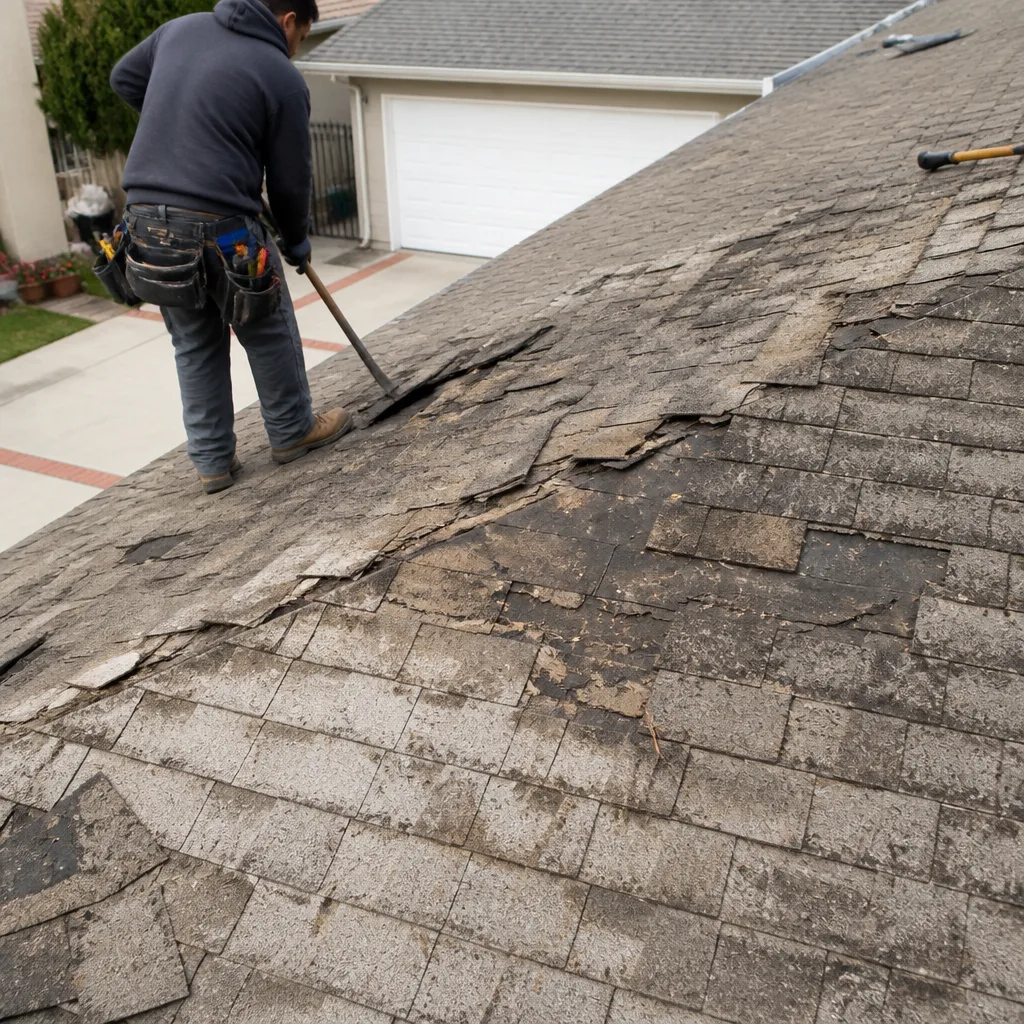
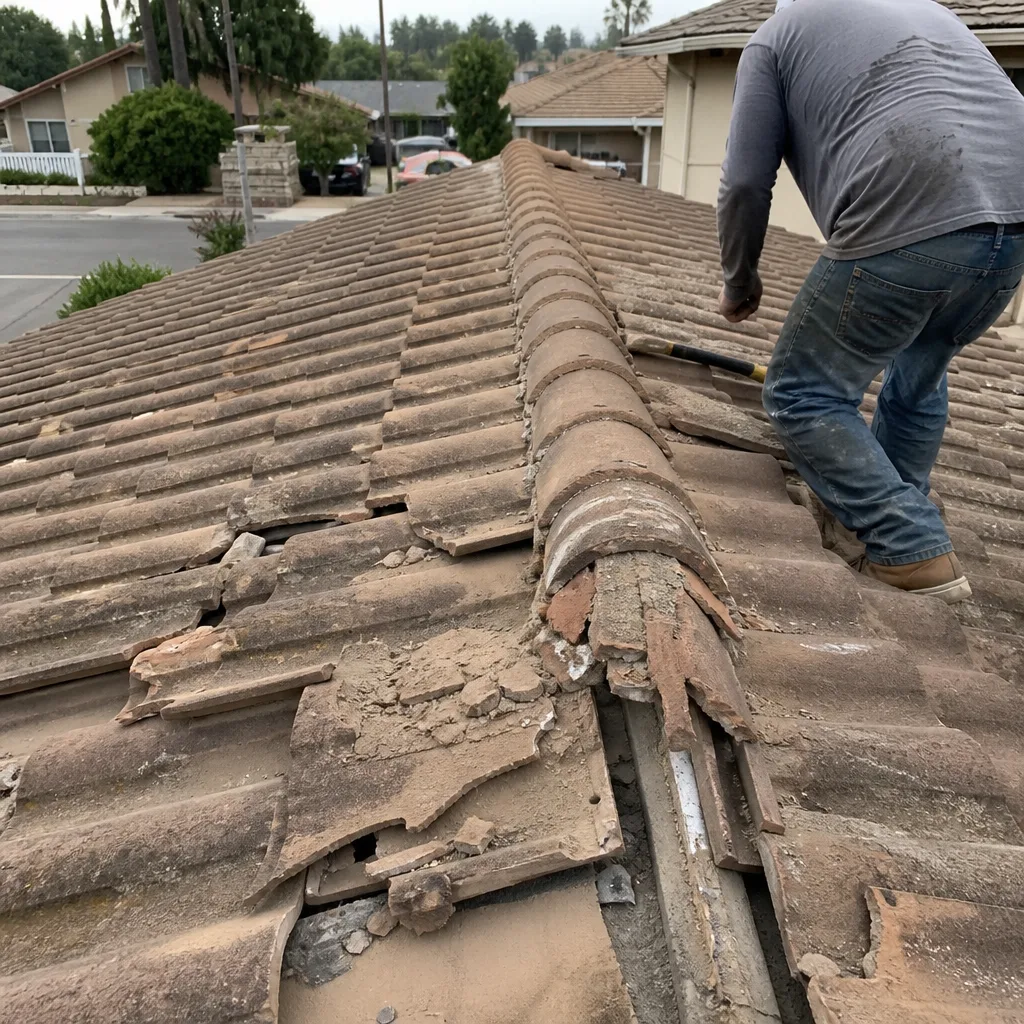
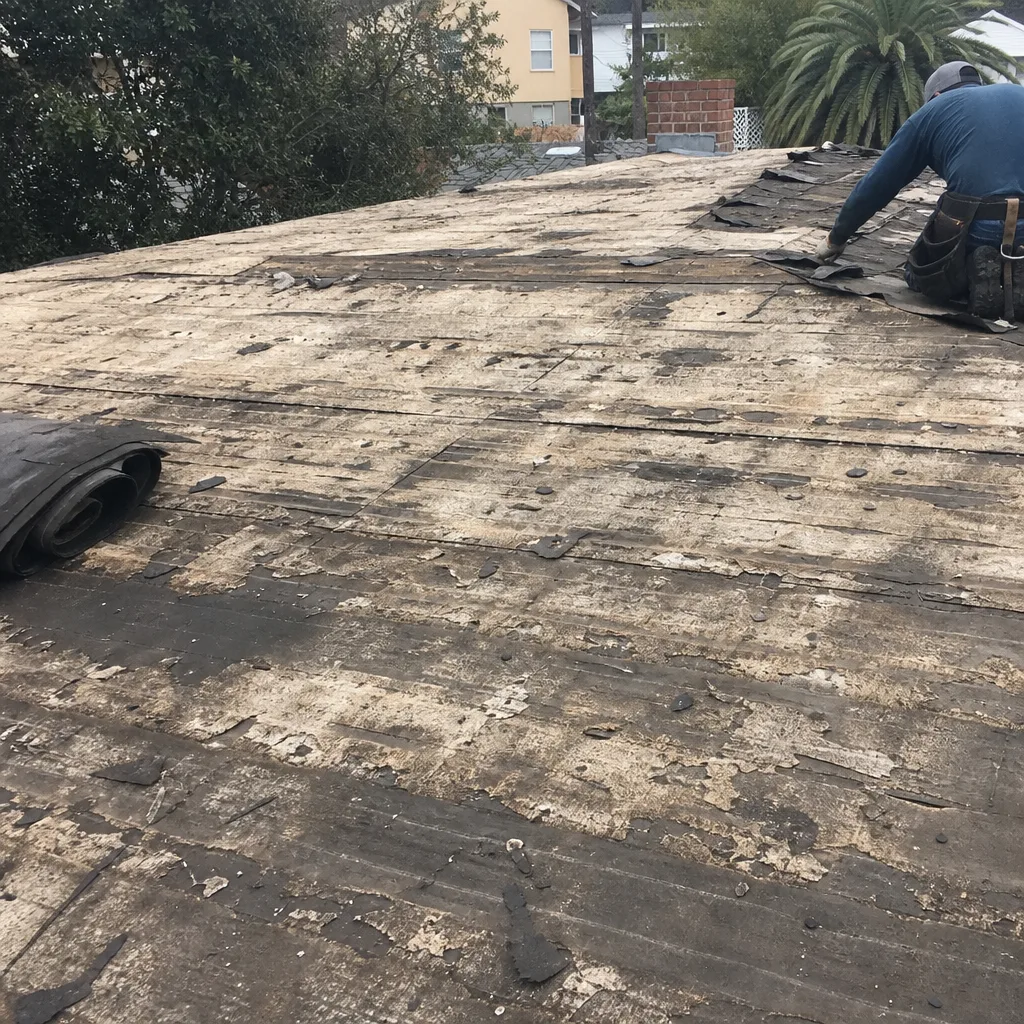 Before
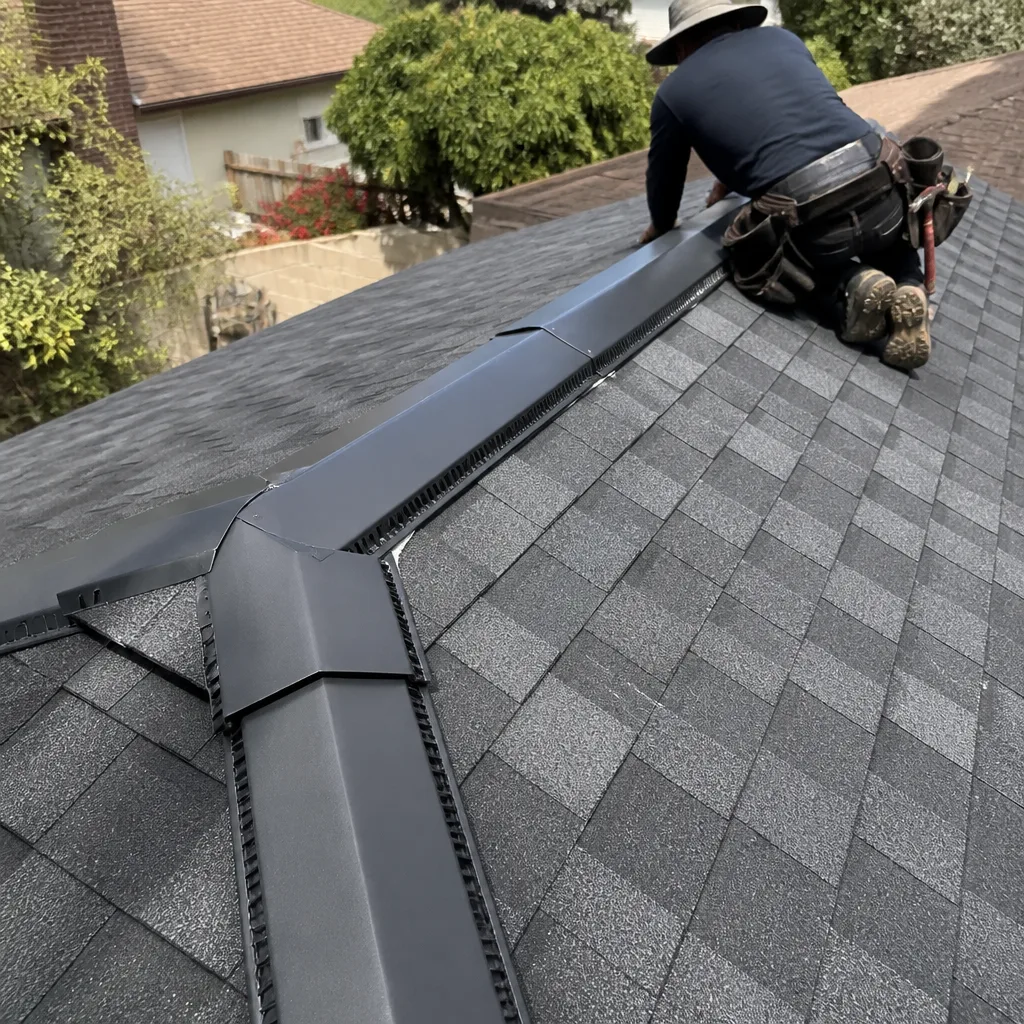
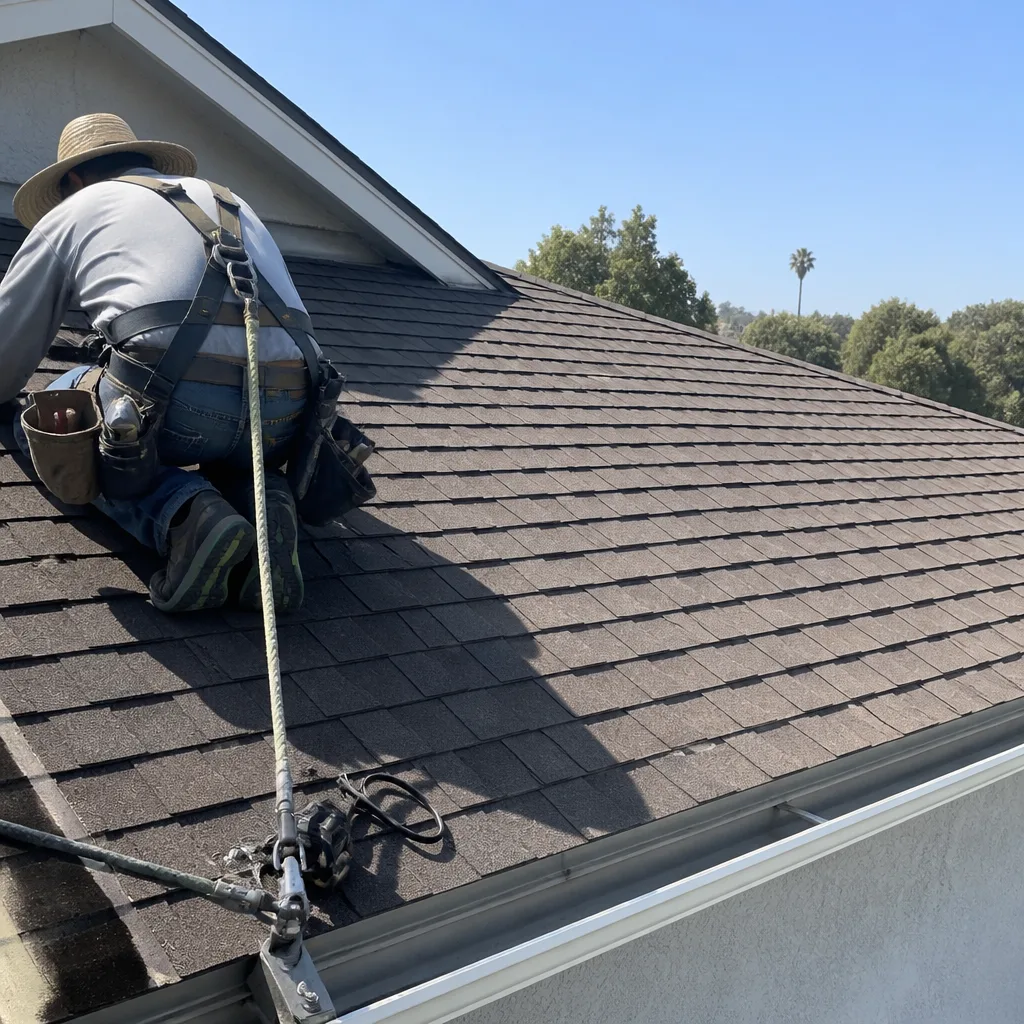
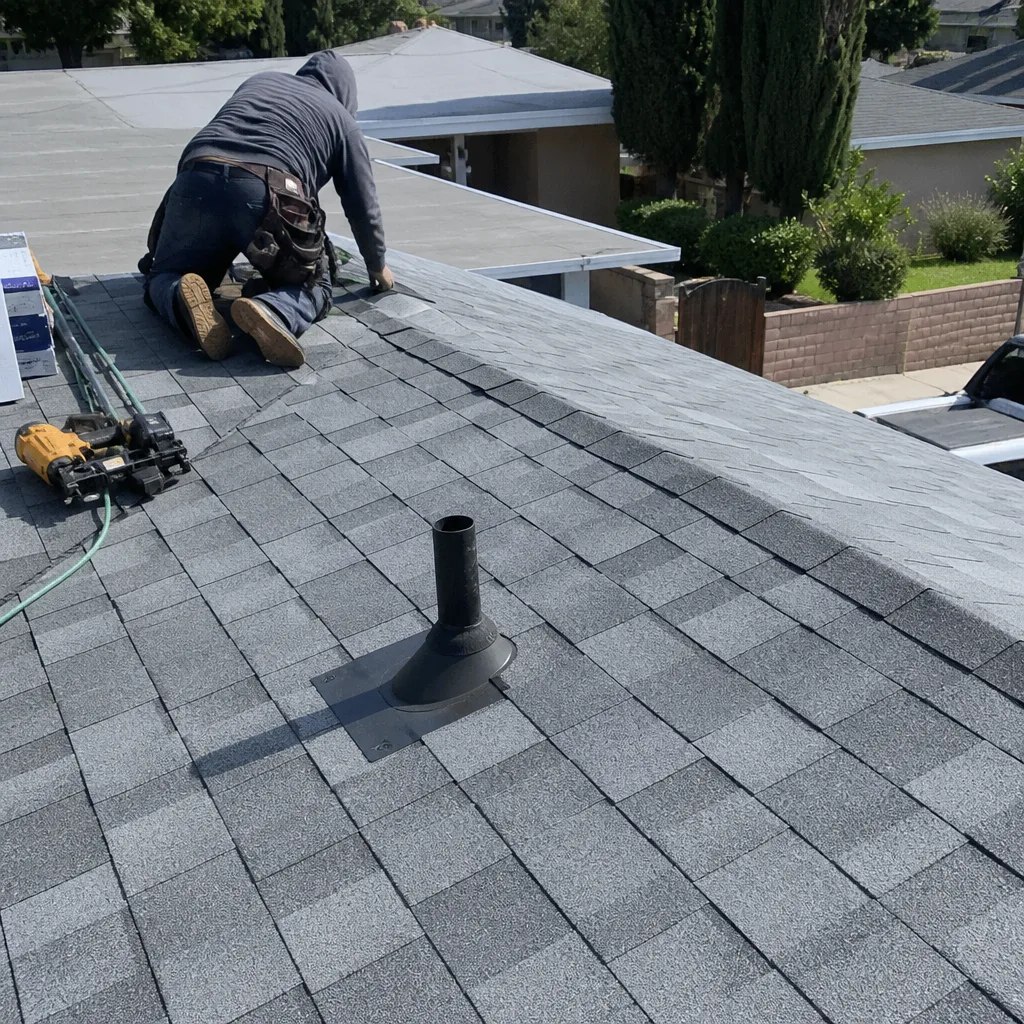 After
 Before
 After
 Before
 After