Last updated October 30, 2026
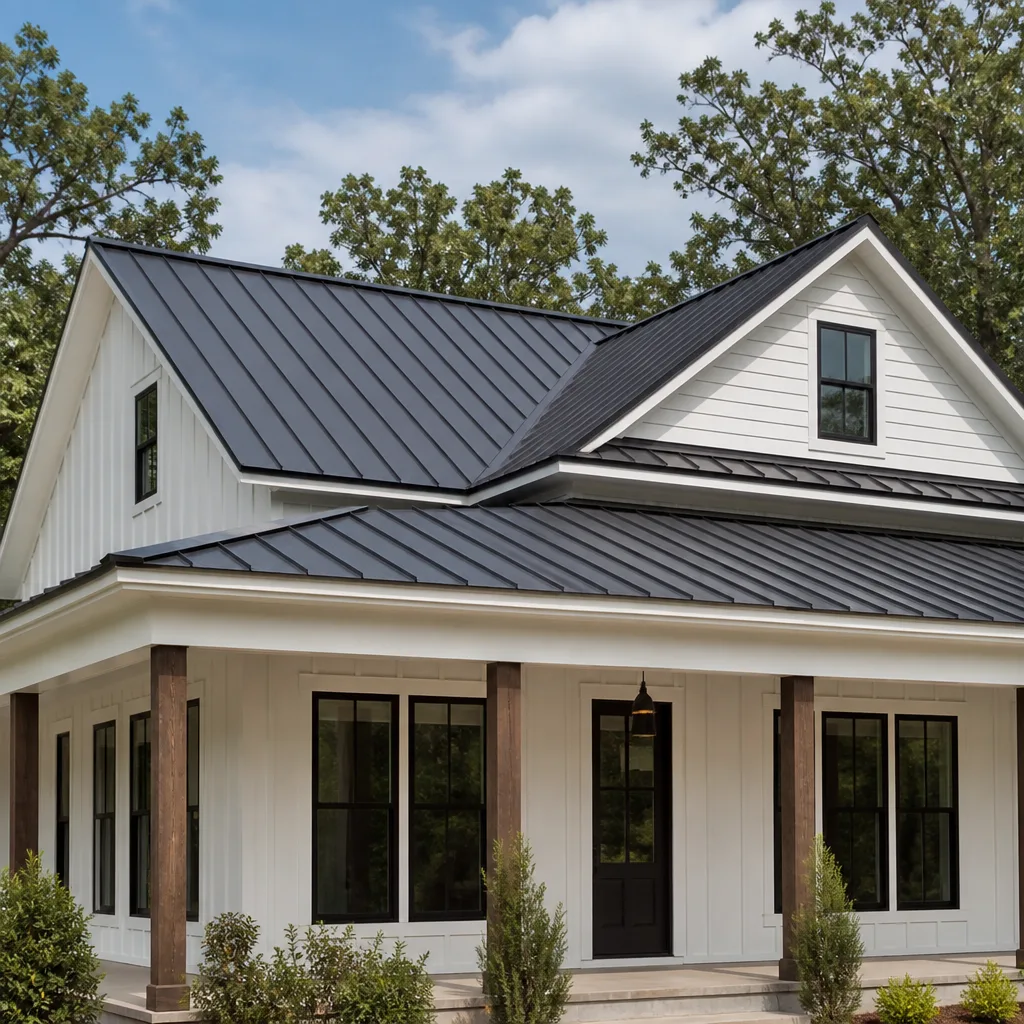 Metal roofing
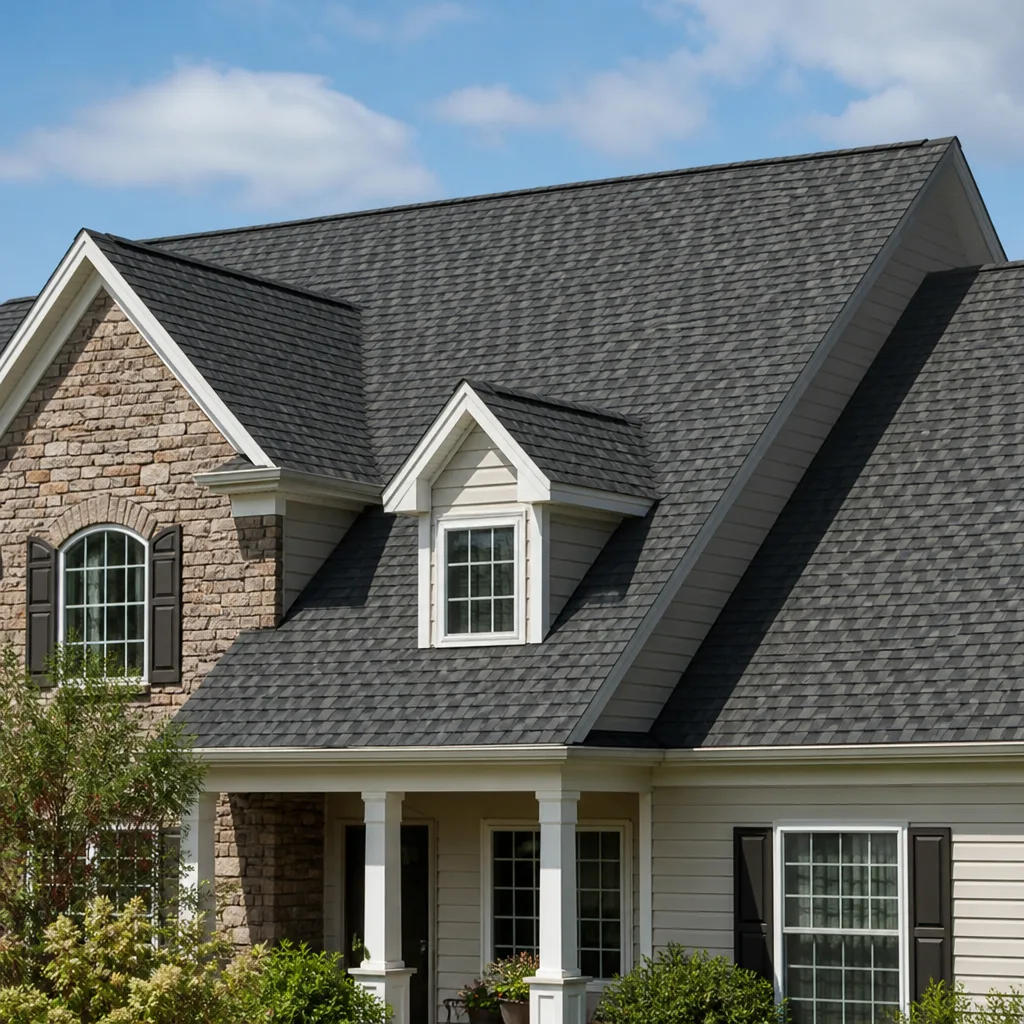 Architectural shingles
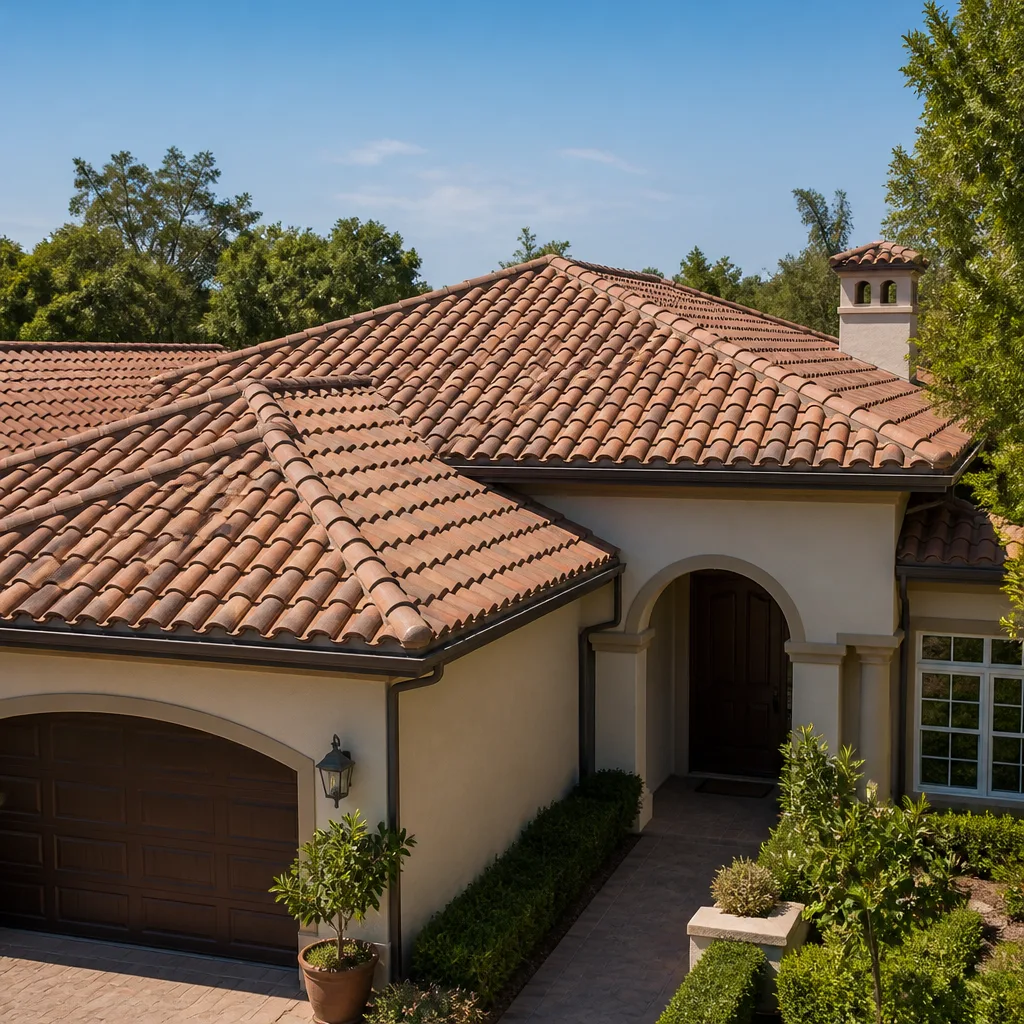 Tile roofing
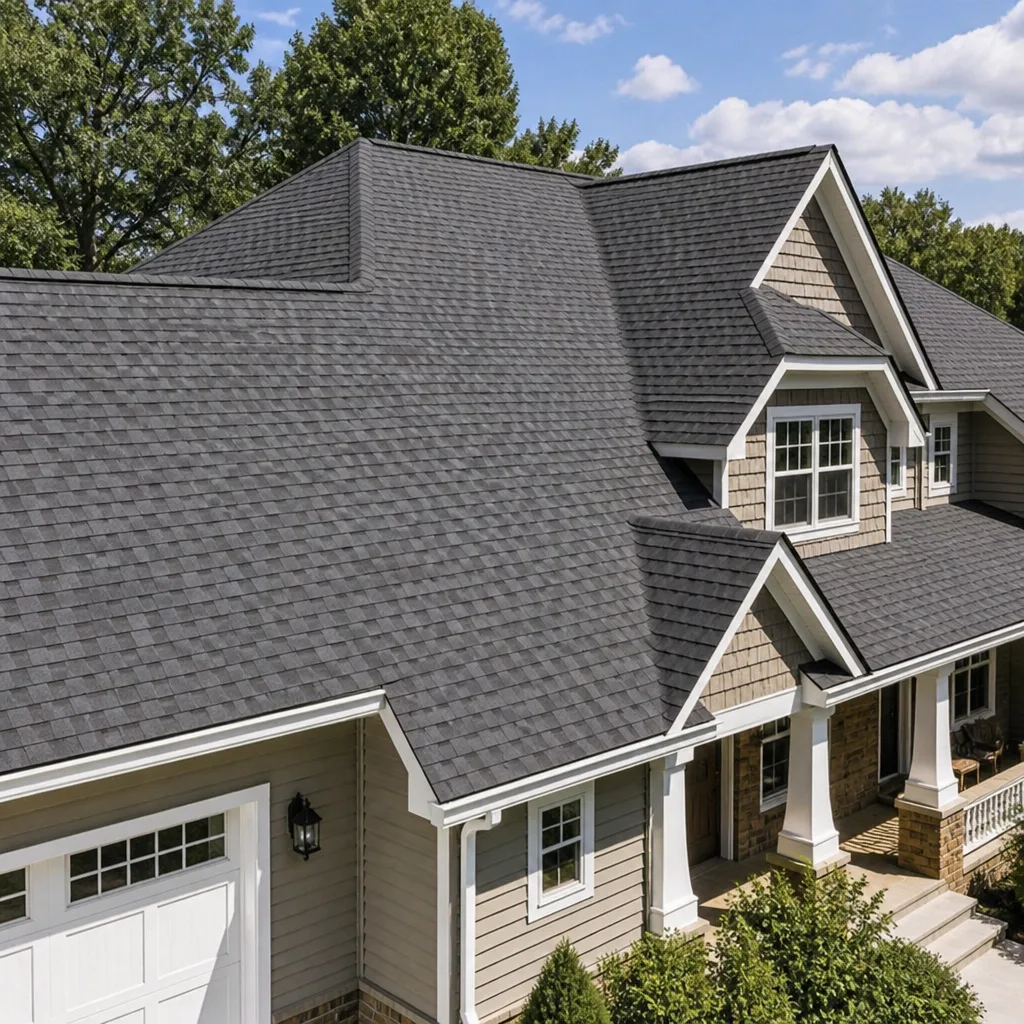 GAF
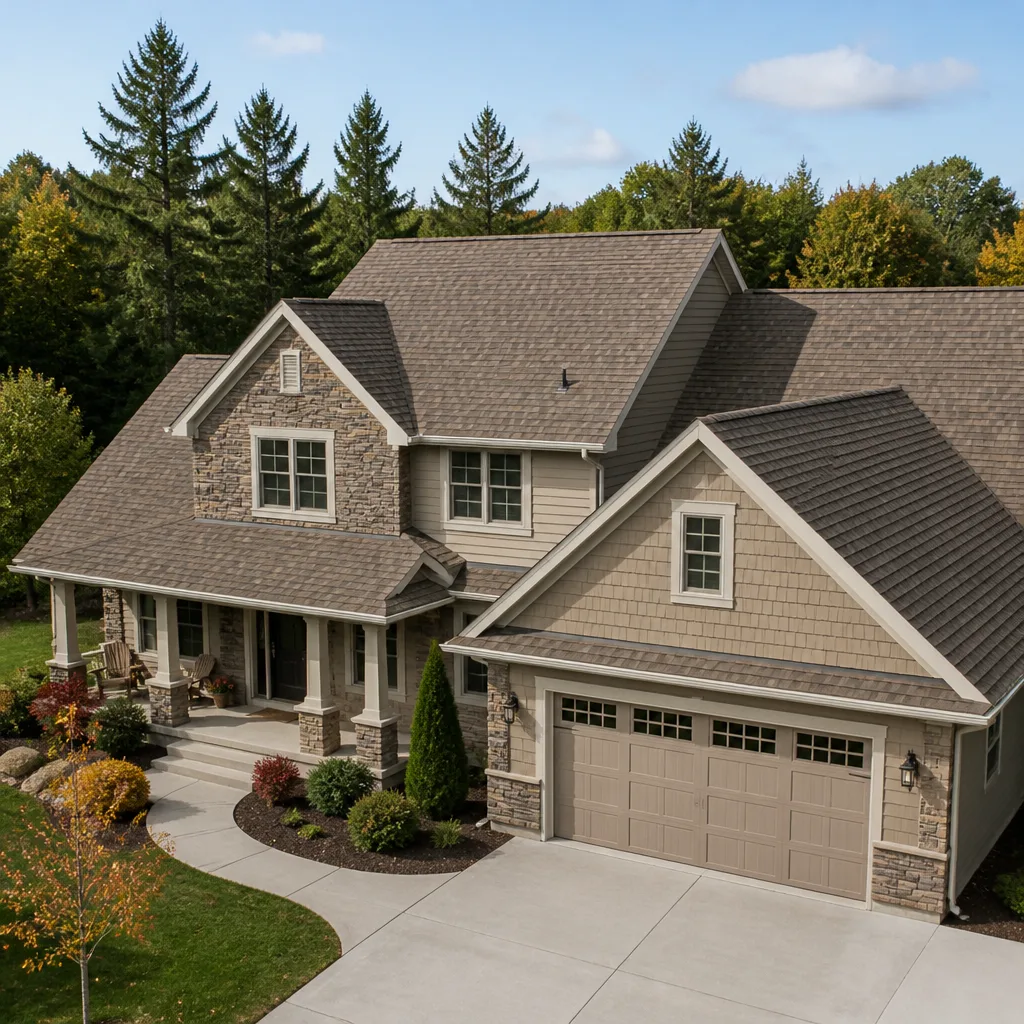 Owens Corning
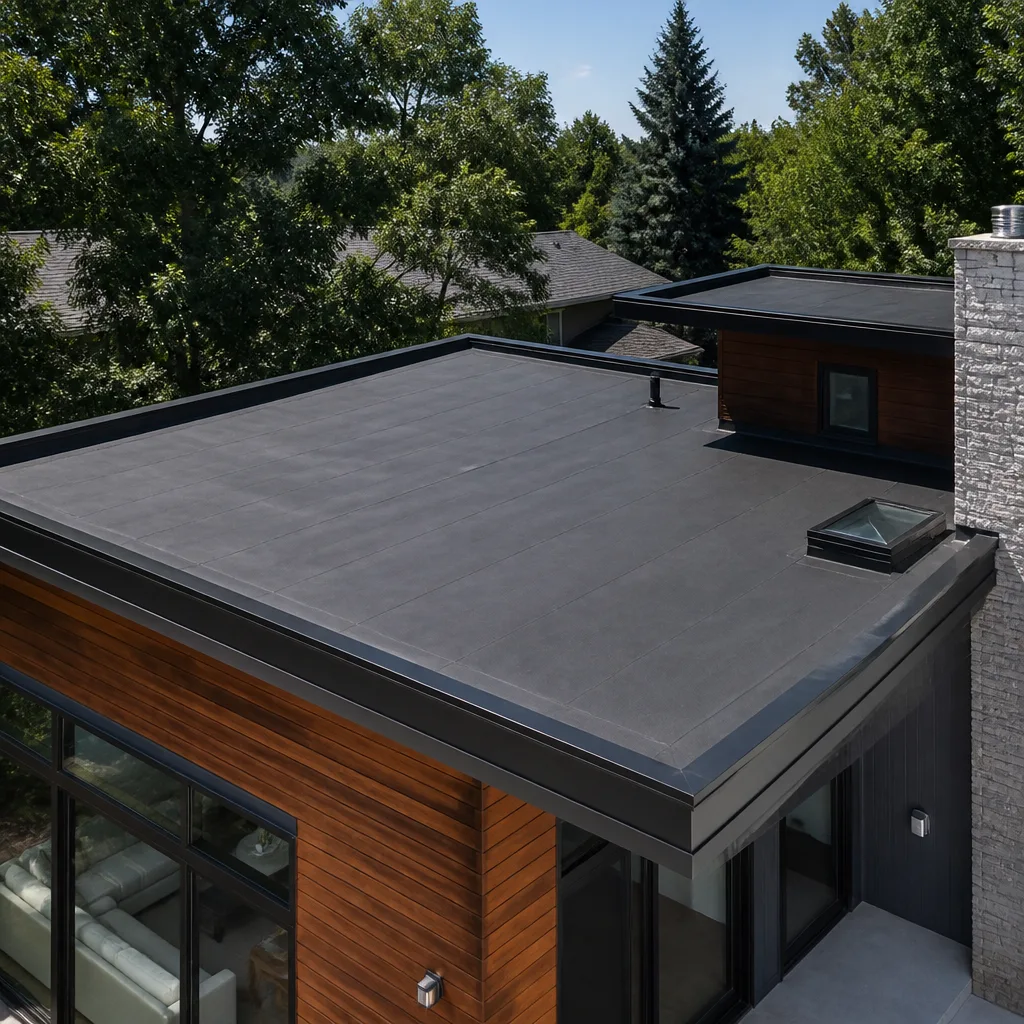 Flat & low-slope
Free roof inspection with deck photos before we talk money - GAF and Owens Corning certified installation
Roofing Cost Breakdown: The Glendale Homeowner’s Reference for 2026
A $9,000 reroof quote and a $14,000 quote for the same Glendale house can both be honest. Or the $9,000 one quietly excludes permit fees, structural deck replacement, and the Class A fire-rated underlayment your hillside neighborhood requires. The gap isn’t always greed. It’s usually scope. This guide explains what a compliant roof actually costs in Glendale in 2026, why prices vary by thousands for houses on the same block, and how to compare bids without getting fooled by a number that looks cheaper but represents less work. For more context, see our Roofing Warning Signs: A Glendale Homeowner’s Reference Guide.
Styles & brands we work with
Quick Answer
A full roof replacement on a typical 1,800-square-foot Glendale home runs $11,000 to $22,000 in 2026, with most mid-size homes landing between $13,000 and $17,000 for architectural shingles with Class A fire-rated underlayment, permits, and old-roof disposal included. Roof repairs in Glendale typically run $450 to $1,800 depending on scope. Your exact number depends on roof pitch, deck condition, fire zone requirements, and material choice.
Table of Contents
- Line-Item Breakdown of a Compliant Glendale Reroof
- What Glendale’s Fire Zone Adds to Your Roofing Bill
- How to Read a Low Bid: The Four Line Items That Go Missing
- Installed Cost by Shingle Brand: Glendale Numbers, Not MSRP
- Repair or Replace: A Cost-Per-Year Framework That Ends the Guessing
- Labor and Access Charges Nobody Puts in the Brochure
- Permits, Inspections, and Title 24: What Glendale Requires
- Common Mistakes to Avoid
- When to Call a Professional
- Frequently Asked Questions
- The Bottom Line
Line-Item Breakdown of a Compliant Glendale Reroof
Most Glendale homeowners see one number at the bottom of a proposal. That number is the sum of five distinct cost buckets, and each bucket has its own range. When you understand the buckets, you can ask a contractor why their labor number is 40% above another bid, or why one quote includes $900 for disposal and another shows $350.
Here’s what a mid-size Glendale home (1,600 to 2,000 square feet, single-story, moderate 5/12 pitch, architectural shingles) actually costs in 2026:
- Materials (shingles, underlayment, flashing, vents, fasteners): $5,300 to $8,700
- Labor (tear-off crew, installation crew, supervisor): $3,200 to $5,800
- Tear-off and disposal (dumpster, hauling, landfill fees): $800 to $1,400
- Permits and inspections (City of Glendale Building & Safety): $600 to $950
- Fire-rated system adjustments (Class A underlayment, ember-resistant vents): $1,100 to $3,100
Total range: $11,000 to $19,950, with most homes settling around $14,000 to $16,000. Homes above 2,200 square feet, steep pitches, or with complex rooflines push the top of that range and beyond.
One thing we tell Glendale homeowners who call our Weathervane Roof Repair home office: a roof is not a commodity. The same house can produce a $13,000 bid and a $19,000 bid that are both mathematically honest because one roofer bid the minimum code and the other bid a system that will outlast the warranty period.
Disposal is the number most people misjudge. A 1,800-square-foot roof produces roughly 5 to 7 tons of old shingles, felt, and fasteners. Landfill fees in Los Angeles County have climbed steadily, and some haulers charge by the load, not the ton. If your roofer has to hand-carry debris down a hillside walkway because there’s no dumpster access, disposal costs can double.
What Glendale’s Fire Zone Adds to Your Roofing Bill
Glendale sits largely inside a Very High Fire Hazard Severity Zone, or VHFHSZ. That designation is not a suggestion. It’s a code requirement that changes the roof assembly itself. Statewide cost averages you see online, the $8,000-to-$12,000 reroof numbers, don’t reflect what a Glendale roof legally requires. For details on the regulatory side, see our Roofing Permits, Codes & Inspections in CA: What You Need to Know.
A compliant roof assembly in the VHFHSZ includes:
- Class A fire-rated shingles: Most architectural shingles from major brands already meet Class A. But if you’re looking at three-tab or certain economy lines, verify before signing.
- Class A underlayment: This is the big one. Standard felt underlayment does not meet Glendale’s fire code for new installations. You need a fiberglass-reinforced, fire-rated underlayment like GAF VersaShield or CertainTeed DiamondDeck. Cost adder over standard felt: $400 to $900 for a mid-size home.
- Ember-resistant attic vents: Standard off-ridge or eave vents with large openings are fire pathways. Glendale requires vents that prevent ember intrusion, usually a stamped metal screen with openings under 1/8 inch. Cost adder: $300 to $700 depending on vent count.
- Stripping the roof to the deck: The fire code does not allow roofing over an existing layer in most VHFHSZ areas. That means the old roof comes off completely, adding tear-off and disposal costs that a “layover” bid would exclude.
The fire zone premium is real. A reroof that would cost $11,500 in a non-designated neighborhood runs $13,000 to $14,500 in the hills above Glendale, Verdugo Woodlands, or Chevy Chase Canyon. The difference isn’t profit. It’s materials your house needs to survive an ember storm.
If a bid looks cheap and doesn’t mention fire-rated underlayment, ask why. The roofer either doesn’t know the code or plans to violate it. Neither is a good sign.
How to Read a Low Bid: The Four Line Items That Go Missing
A low bid isn’t always a bad bid. Sometimes it’s a lean operation with low overhead. But in Glendale, under-market quotes often share a pattern. Here are the four line items we see missing most often when a homeowner shows us a competing bid that came in 25% or more below the field:
- Permit fees and inspection costs. Working without a permit is illegal on a full reroof in Glendale. A roofer who says “we can skip the permit to save you money” is asking you to pay $900 today and risk a stop-work order, fines, and a disclosure problem when you sell the house. The permit isn’t optional. If it’s not on the bid, it’s not a real bid.
- Deck replacement allowance. When the old roof comes off, some plywood will need replacing. Rotted, delaminated, or water-damaged deck sections are hidden until tear-off. A good bid includes a per-sheet replacement allowance (usually $95 to $140 per 4×8 sheet). A bid with no allowance means every damaged sheet becomes a change order, and the final price climbs fast.
- Fire-rated underlayment. Covered above, but worth repeating: a bid that prices standard #30 felt is not a compliant Glendale bid. The underlayment line item should say Class A, fire-rated, or list a specific product like VersaShield or DiamondDeck.
- Warranty registration. Major shingle brands offer extended warranties that require licensed contractor installation and proper registration. A roofer who doesn’t register the system means you get the base warranty only, often 10 years shorter than what you could have. Registration takes 20 minutes. If a roofer skips it, they’re cutting corners elsewhere too.
Before you call any roofer in Glendale, read this pattern. We’ve walked through hundreds of bids where the homeowner only saw a bottom-line number. The bottom line is meaningless without the line items.
Installed Cost by Shingle Brand: Glendale Numbers, Not MSRP
Manufacturer list prices don’t tell you what a reroof costs. Installed cost does. The difference between brands is not just the shingle price per bundle, it’s the underlayment system, the ridge cap, the leak barrier, and the labor time. Here’s what installed cost looks like on a typical 1,800-square-foot Glendale home in 2026:
- IKO: Solid mid-tier brand. Architectural shingles installed with IKO’s standard underlayment run $11,800 to $14,500. A good choice for budget-conscious homeowner who wants a 25-to-30-year roof without paying for a top-tier name.
- Atlas: Strong reputation in hot-climate markets. Their Scotchgard algae resistance is genuinely useful in Glendale’s shaded canyons. Installed range: $12,400 to $15,200.
- Tamko: Competitive pricing with a Heritage line that holds up well to sun exposure. Often comes in slightly below Atlas but above IKO on installed cost. Range: $12,000 to $14,800.
- Boral: Premium material, often concrete or composite rather than asphalt. Installed cost on a Glendale home can run $18,000 to $26,000. It’s a 50-year product, but the upfront investment is significant. Most Boral buyers are homeowners planning to stay 15+ years and want to never reroof again.
These ranges assume the same scope: full tear-off, Class A underlayment, permits, disposal, standard 5/12 pitch, no major deck replacement surprises. Steep pitches, multiple valleys, or second-story access will push any of these numbers up 15% to 30%.
Weathervane Roof Repair works with materials from GAF, CertainTeed, Owens Corning, IKO, Atlas, Tamko, and Boral. That means our recommendation is driven by your roof’s existing system, your home’s sun exposure, and your budget, not by whatever brand we happen to have a volume deal with. Seven leading brands, one honest recommendation.
If you’re comparing bids and one roofer only offers one brand, that’s not necessarily disqualifying. But brand exclusivity often means the roofer is optimizing for their margin, not your roof. Ask why they recommend that brand. If the answer is “that’s just what we use,” keep looking.
Repair or Replace: A Cost-Per-Year Framework That Ends the Guessing
The hardest question we get at our Roof Repair in Glendale service isn’t “what’s wrong with my roof.” It’s “should I repair this or just replace the whole thing?” Most homeowners guess. Here’s a framework that turns the guess into math.
Take the quote for the repair. Divide by the number of years you expect that repair to buy you. Then take the quote for replacement. Divide by the number of years that roof will last. Compare the two numbers.
Example: A leaking valley on a 14-year-old roof. The repair quote is $1,100 and would likely buy you 3 more years. That’s $367 per year. A full replacement is $14,000 and the architectural shingle system should last 28 years: $500 per year. The repair is cheaper per year, but only if the roof doesn’t develop new leaks elsewhere during those 3 years.
Now reverse it: same house, but the repair is $2,400 for valley flashing plus two pipe collar replacements plus deck section patch, and the roof is 18 years old. Expected remaining life from the repair is maybe 2 years: $1,200 per year. Replacement is $14,000 over 28 years: $500 per year. Replacement is the better financial decision, and you stop playing whack-a-mole with leaks.
Here’s the filter in order of operations:
- How old is the roof? Under 10 years: repair almost always. Over 20 years: replacement usually pencils out. Between 10 and 20: run the math.
- How many leaks? One isolated leak is a repair. Two or more leaks in different areas suggests systemic underlayment or flashing failure, which is a replacement signal.
- Deck condition. If the plywood under the shingles is soft, delaminated, or water-stained in multiple places, you’re pricing replacement anyway. Patching deck sections without addressing the source means more patches later.
- How long will you stay in the house? Replacing a roof at $14,000 and moving in 3 years recovers maybe half that at resale. Repairing and disclosing roof condition is often the smarter move for short-timers.
This is the approach we use at Weathervane when homeowners call our Roof Inspection in Glendale service. Inspection first, repairs only when they’re warranted. We’ve told plenty of homeowners to patch and wait. When the math says replace, we say that too, and we show the numbers.
Labor and Access Charges Nobody Puts in the Brochure
Glendale’s housing stock is not a flat, featureless grid. The city climbs from the flats of south Glendale up through the Verdugo foothills, and the rooflines climb with it. Labor pricing reflects that terrain.
Here’s what drives labor costs up in ways that don’t show on a generic cost calculator:
- Steep pitch. Anything over a 7/12 pitch slows a crew down and triggers safety harness requirements. Labor adder: 10% to 25%.
- Second story or third story. A roof on a two-story home means more ladder work, more material hoisting, more time. If the dumpster can’t sit next to the house, debris goes down a ladder or through a chute, sometimes by hand. Adder: 8% to to 20%.
- Hillside access. Properties in Chevy Chase Canyon or off Vista Drive where the back of the house is elevated require scaffolding, extra cleanup precautions, and sometimes crane time. Adder: 15% to 35%.
- Roofline complexity. Multiple valleys, dormers, skylights, chimneys, and hip roofs create flashing work that eats crew time. A simple gable roof is the cheapest to roof. A hip roof with four valleys and two skylights is the most expensive. Complexity adder: 5% to 20%.
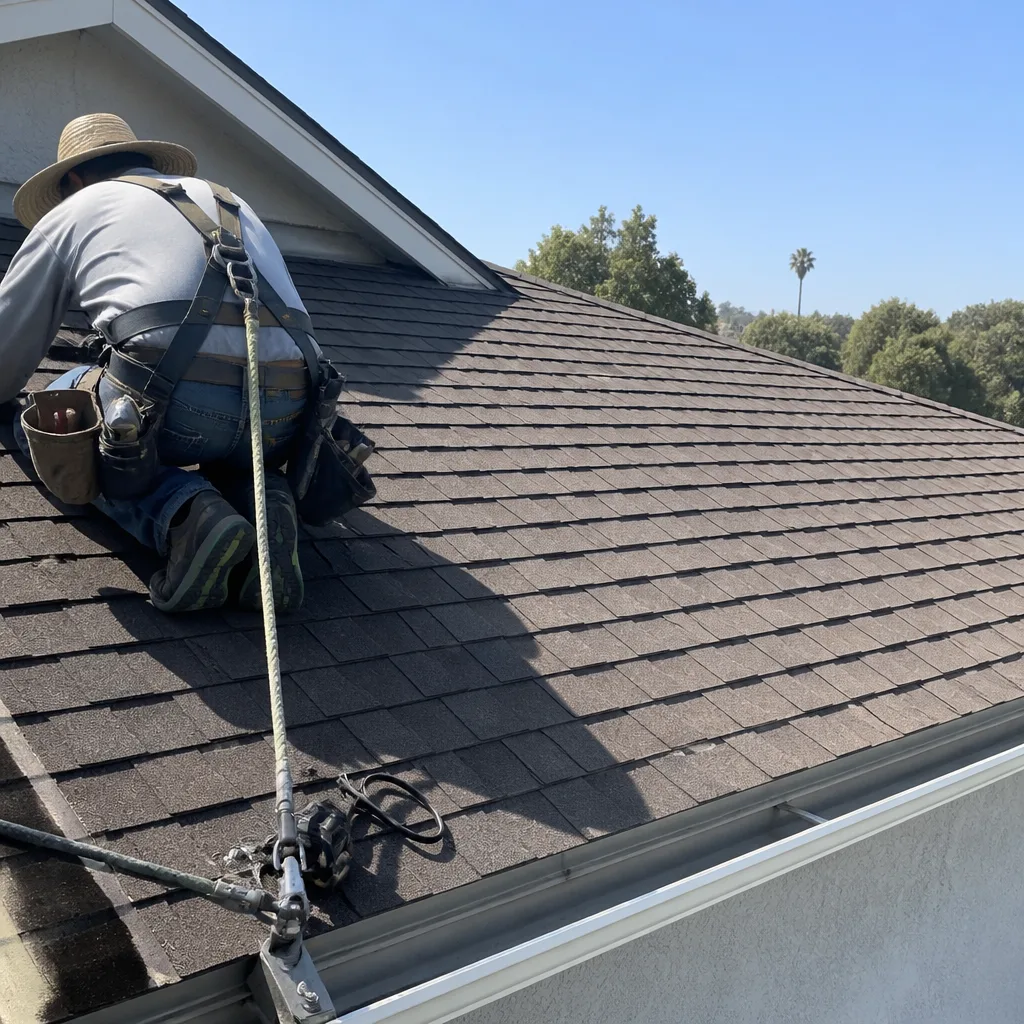
When you’re comparing bids, ask your roofer what pitch they measured and whether they’ve walked the roof or just satellite-measured it. A roof inspection in Glendale that happens from a satellite photo instead of on the actual roof misses ridge damage, granule loss patterns, and flashing failures that change the whole estimate.
Your roof is the first thing weather hits – treat it like the system it is. A roofer who spends 45 minutes on the roof before quoting understands that. A roofer who emails a number after looking at Google Earth might be low, but low for the wrong reasons.
Permits, Inspections, and Title 24: What Glendale Requires
A reroof in Glendale is a permitted job. Full stop. The City of Glendale Building & Safety division requires a permit for roof replacements and for repairs that exceed a certain scope, typically repairs covering more than 25% of the roof or structural repairs to the deck.
The permit process works like this:
- Contractor submits roof permit application. The city reviews the scope, confirms the property’s fire zone designation, and issues the permit. This usually takes 1 to 5 business days.
- Contractor performs the work. Tear-off to deck, deck repair if needed, underlayment, shingles, flashing, vents.
- City inspector visits. For a VHFHSZ roof, the inspector typically checks the underlayment before shingles go on, then does a final inspection after. The mid-job inspection is what separates a legal reroof from a non-compliant one.
- Final sign-off. The permit is closed. You have a legal record of work that your homeowner’s insurance and any future buyer can access.
Title 24 California energy code affects roofing less directly than windows or HVAC, but it does come into play with attic ventilation and cool roof requirements in some situations. For most Glendale re-roofs with a standard attic, adding or upgrading ventilation to meet current code is part of the permit scope and is already reflected in the line items above.
If you’re considering a Roof Replacement in Glendale and a contractor pitches the job without pulling a permit, that’s a red flag the size of a valley flashing failure. Unpermitted work voids manufacturer warranties, creates insurance claim problems, and must be disclosed at resale. A buyer who inherits an unpermitted roof often demands a credit or walks.
The $700 to $950 permit cost on your bid is not a tax you’re being charged. It’s a record of compliance that protects you. We pull permits and pass inspections on every reroof we do in Glendale. It’s non-negotiable.
Common Mistakes to Avoid
- Comparing bids by bottom-line number alone. The $11,000 bid and the $16,000 bid are not the same job if one excludes permits, deck allowance, fire-rated underlayment, and disposal. Strip each bid to line items, then compare.
- Accepting a layover reroof in a fire zone. Nailing new shingles over an old layer is cheaper, but it’s disallowed in Glendale’s VHFHSZ and shortens the new roof’s lifespan. You’re saving 10% now and cutting your roof life by 30%.
- Skimming past the underlayment specification. The shingles are what you see, but the underlayment is what holds water back between shingle failures. A bid that specifies standard felt in Glendale is a bid that isn’t code-compliant.
- Not getting the deck allowance in writing. “We’ll see what’s under there” is how a $14,000 bid becomes an $18,000 invoice. Get a per-sheet deck replacement rate in writing so surprises have a known price.
- Choosing a roofer who won’t walk the roof. A satellite estimate misses granule loss, soft decking, flashing separation, and a dozen other conditions that change the scope. A roofer who quotes without inspecting is guessing with your signature.
- Paying the full amount upfront. A deposit of 10% to 20% is normal. A roofer demanding 50% or full payment before materials arrive is often managing cash flow, not your project. Legitimate roofers in Glendale don’t need half of a $15,000 job before they show up.
When to Call a Professional
If water is reaching your ceiling, if you lost shingles in a wind event, if your roof is over 18 years old and you’ve never had an inspection, or if you’re in escrow on a Glendale home and the roof report came back flagged, call a roofer. Not a handyman. Not a general contractor who does roofs on the side. A roofing-only company that reads the conditions and gives you the straight answer. Weathervane Roof Repair offers free estimates in Glendale. Call us at (877) 755-4274.
Frequently Asked Questions
A roof replacement on a typical 1,800-square-foot Glendale home runs $11,000 to $22,000 in 2026, with most mid-size single-story homes landing between $13,000 and $17,000 including permits, tear-off, disposal, and Class A fire-rated materials. Exact pricing depends on roof size, pitch, access, and shingle brand. Call (877) 755-4274 for a free estimate on your specific roof.
Legitimate quote differences come from fire zone compliance (Class A underlayment and ember-resistant vents, which cheap bids often omit), deck replacement allowances, permit fees, and installed material quality. A bid that’s 20% below the field is usually missing one of those line items rather than doing the same work cheaper.
Yes, roof replacements and structural repairs require a permit from the City of Glendale Building & Safety division. The permit typically costs $600 to $950 and includes inspections of the underlayment and completed roof. Working without a permit voids warranties and creates resale liability.
Asphalt architectural shingles, especially mid-tier brands like IKO or Tamko, provide the lowest installed cost for a compliant Glendale roof. A mid-size home can be reroofed with these materials for $11,500 to $14,500 including all required fire-rated components. Composite or concrete products like Boral cost substantially more upfront but last much longer.
Most Glendale reroofs take 2 to 4 working days from tear-off to final inspection for a standard single-story home, with multi-story or steep-pitch roofs running 4 to 7 days. The mid-job inspection for fire-rated underlayment adds a partial day while the city inspector confirms the system before shingles go on.
Repair when the roof is under 10 years old, the leak is isolated, and the deck is sound. Replace when the roof is over 20 years old, leaks are appearing in multiple areas, or the repair cost divided by remaining life exceeds the replacement cost divided by its lifespan. If you’re unsure, a roof inspection gives you the condition data to run the math confidently.
The Bottom Line
A Glendale roof in 2026 costs more than the national average, not because roofers here charge more, but because the city’s fire zone code requires a more robust system and permits that other markets don’t face. The number on your quote is the sum of materials, labor, disposal, permits, and fire-rated components. Strip bids down to those line items and you’ll see which roofer is giving you an honest number. If a bid is missing fire-rated underlayment, a deck allowance, or a permit fee, it’s not cheaper. It’s incomplete. Inspection first, repairs only when they’re warranted, and replacement only when the math says so. That’s how a roof should be bought, and it’s how we work at Weathervane, every estimate, every time. Explore more guides & resources to protect your home.
Written by the team at Weathervane Roof Repair, serving Glendale since 2014.
See the difference
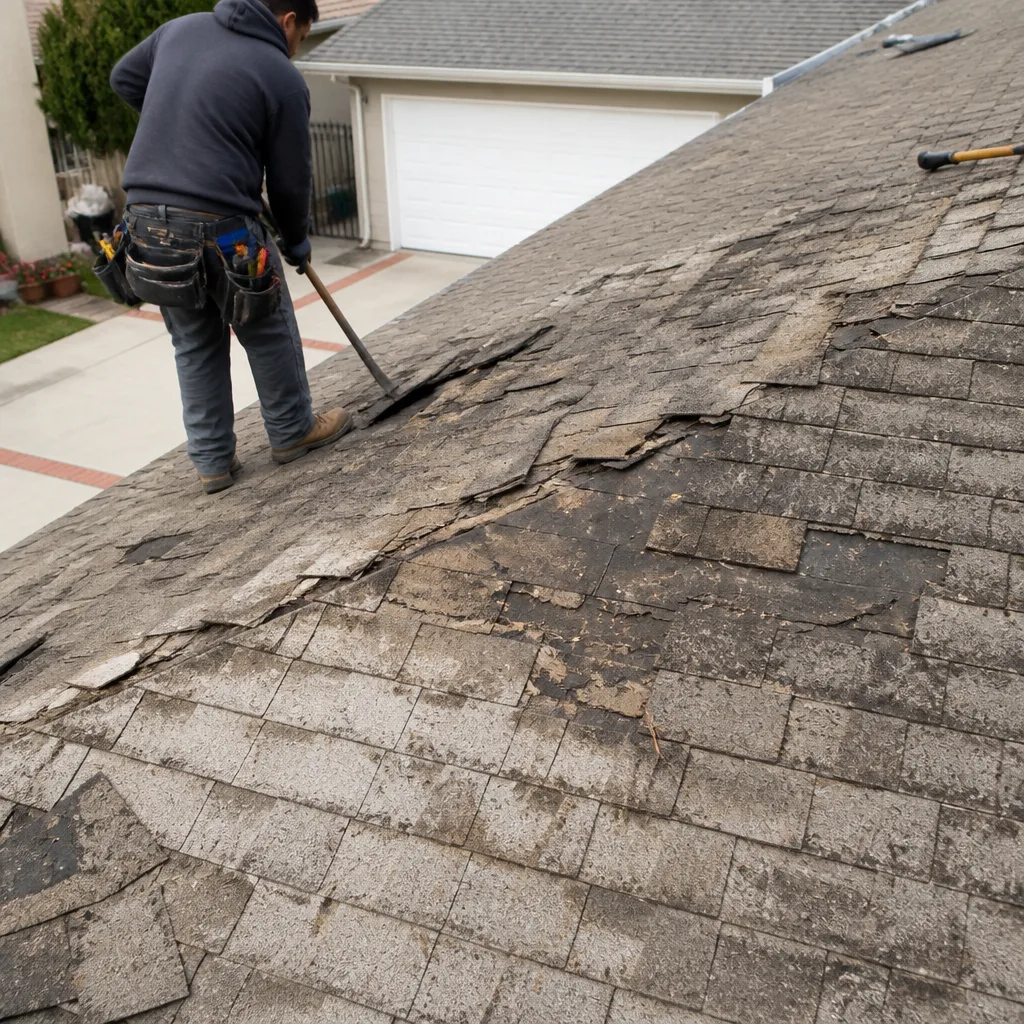
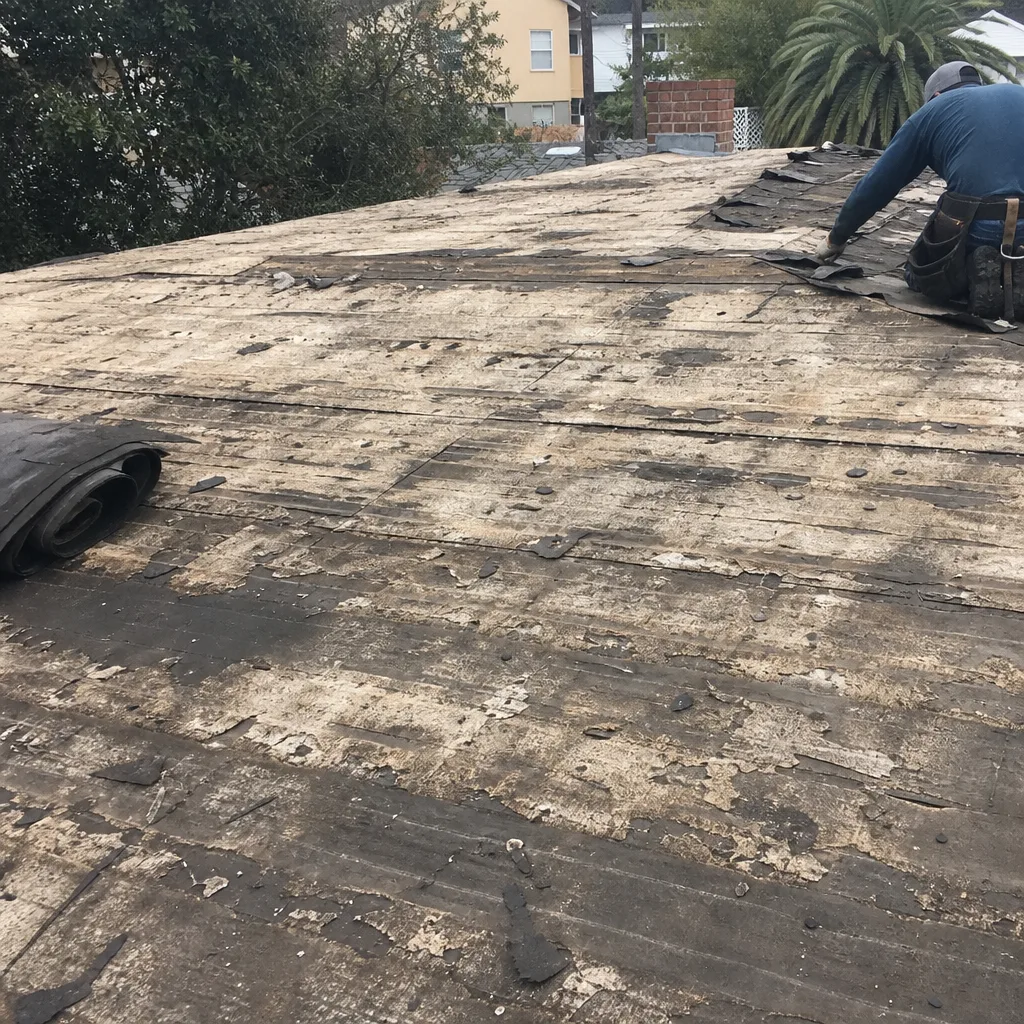 Before
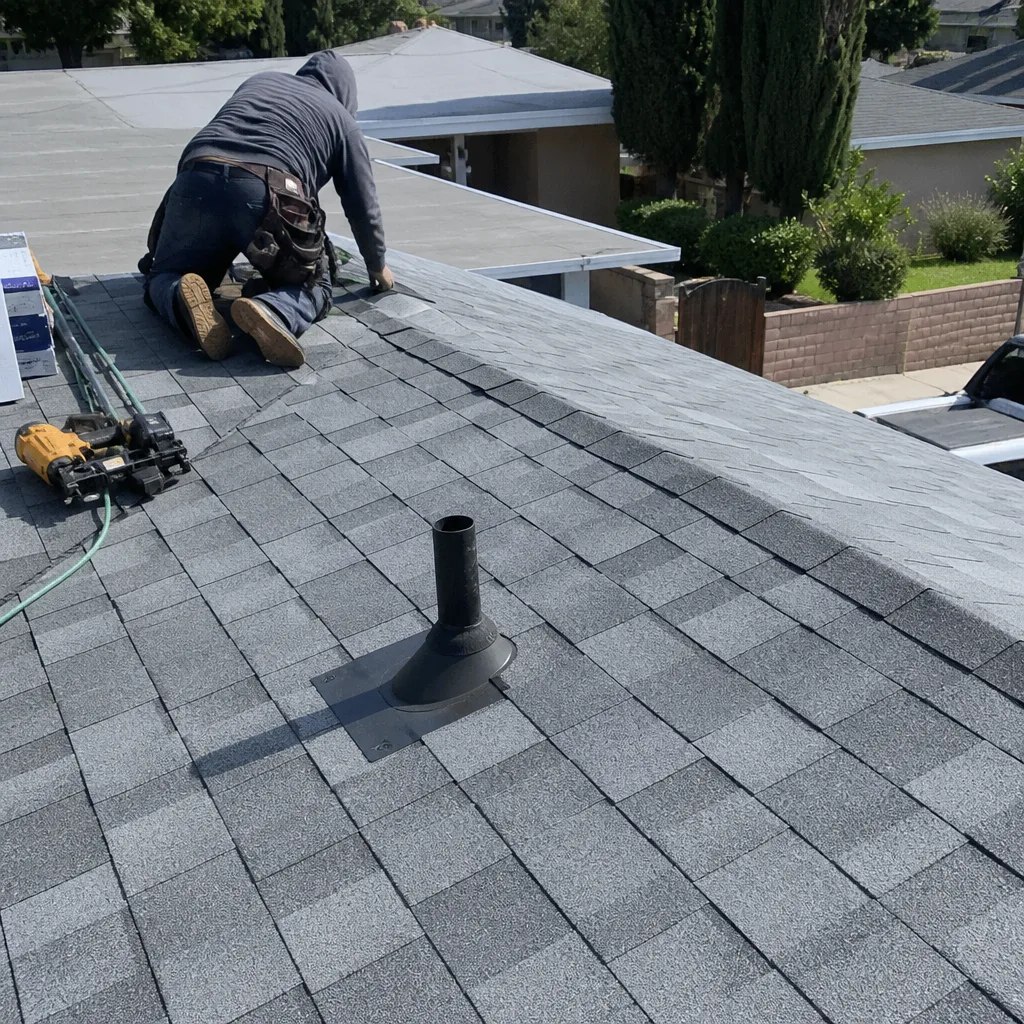 After
 Before
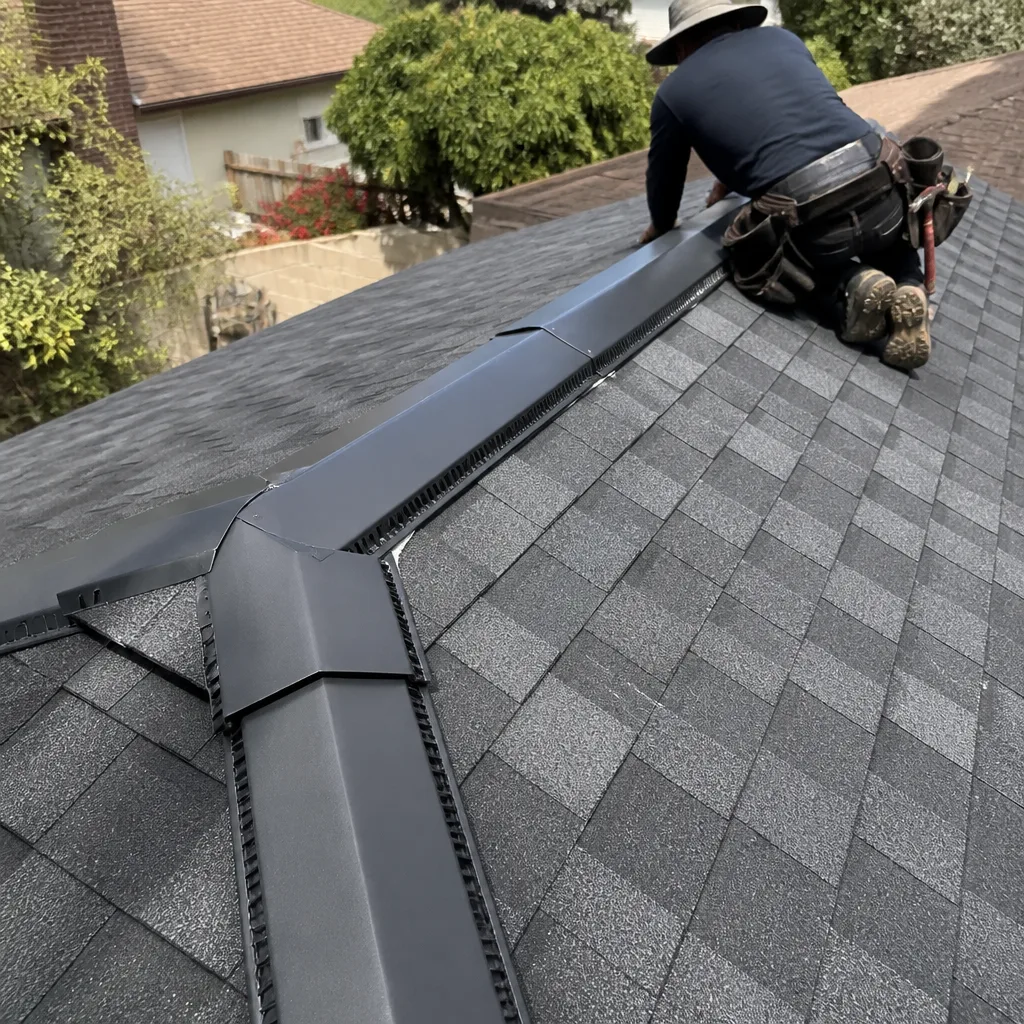 After
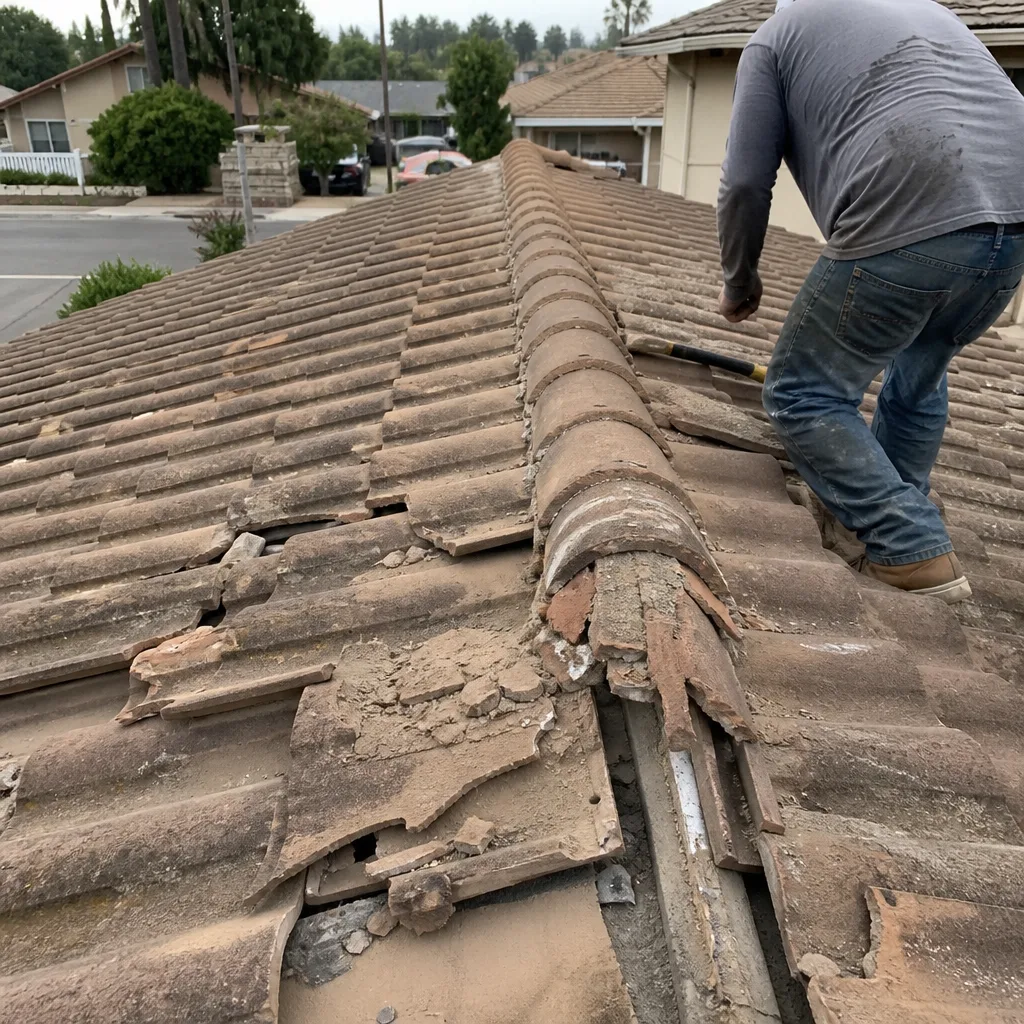 Before
 After