Last updated October 30, 2026
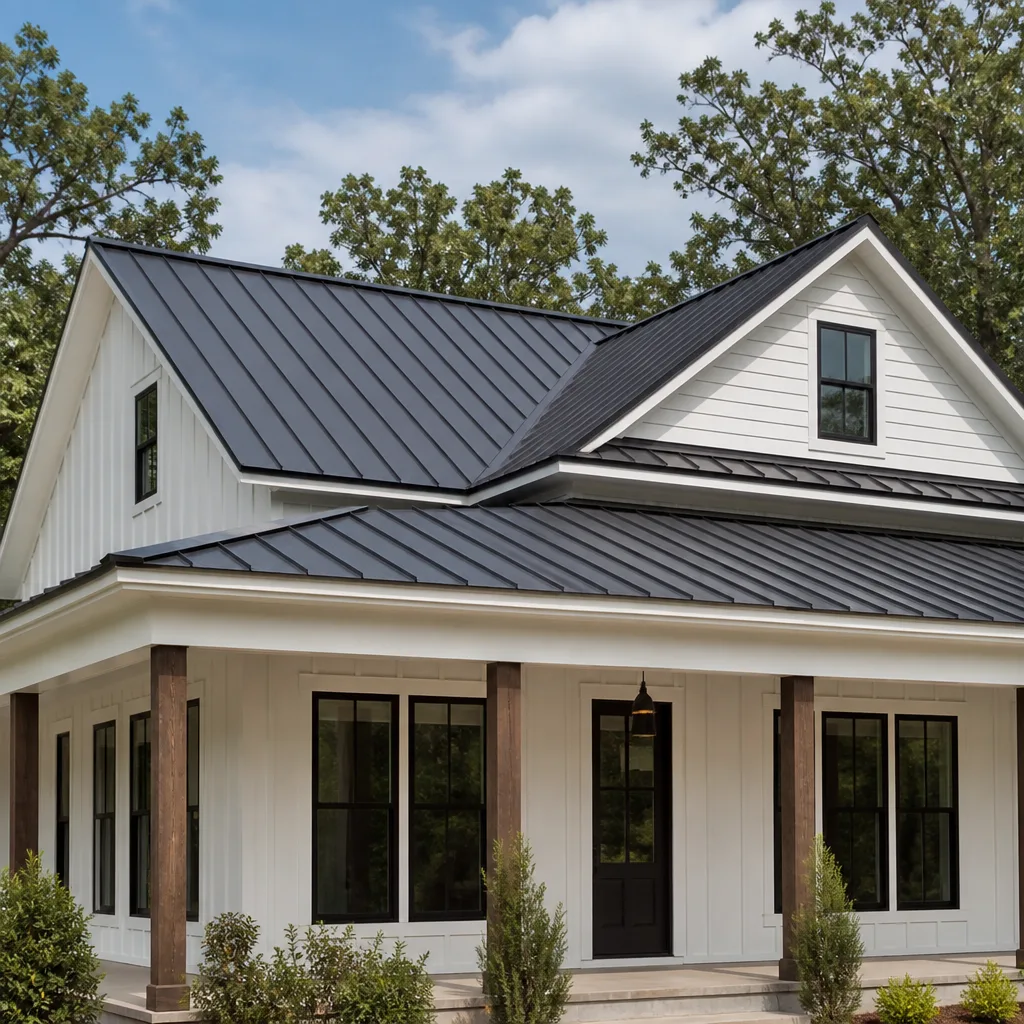 Metal roofing
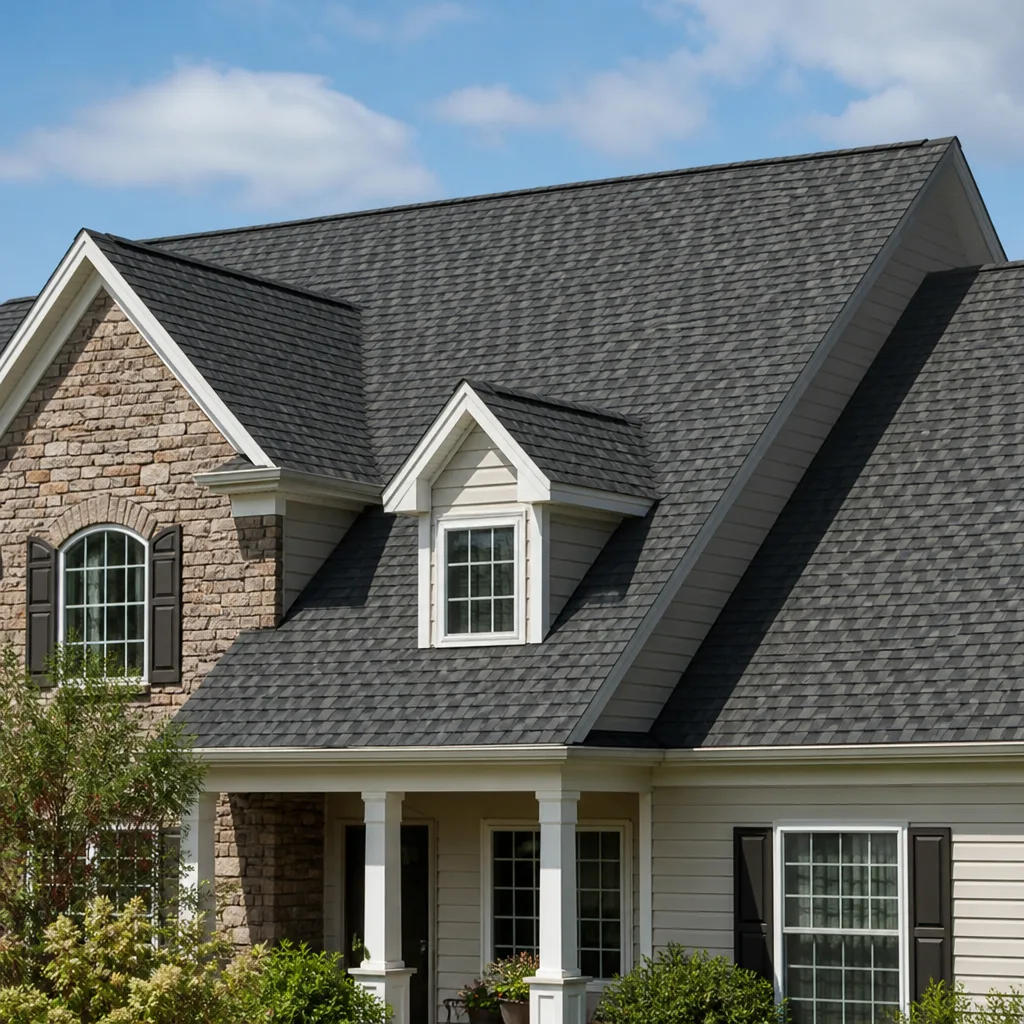 Architectural shingles
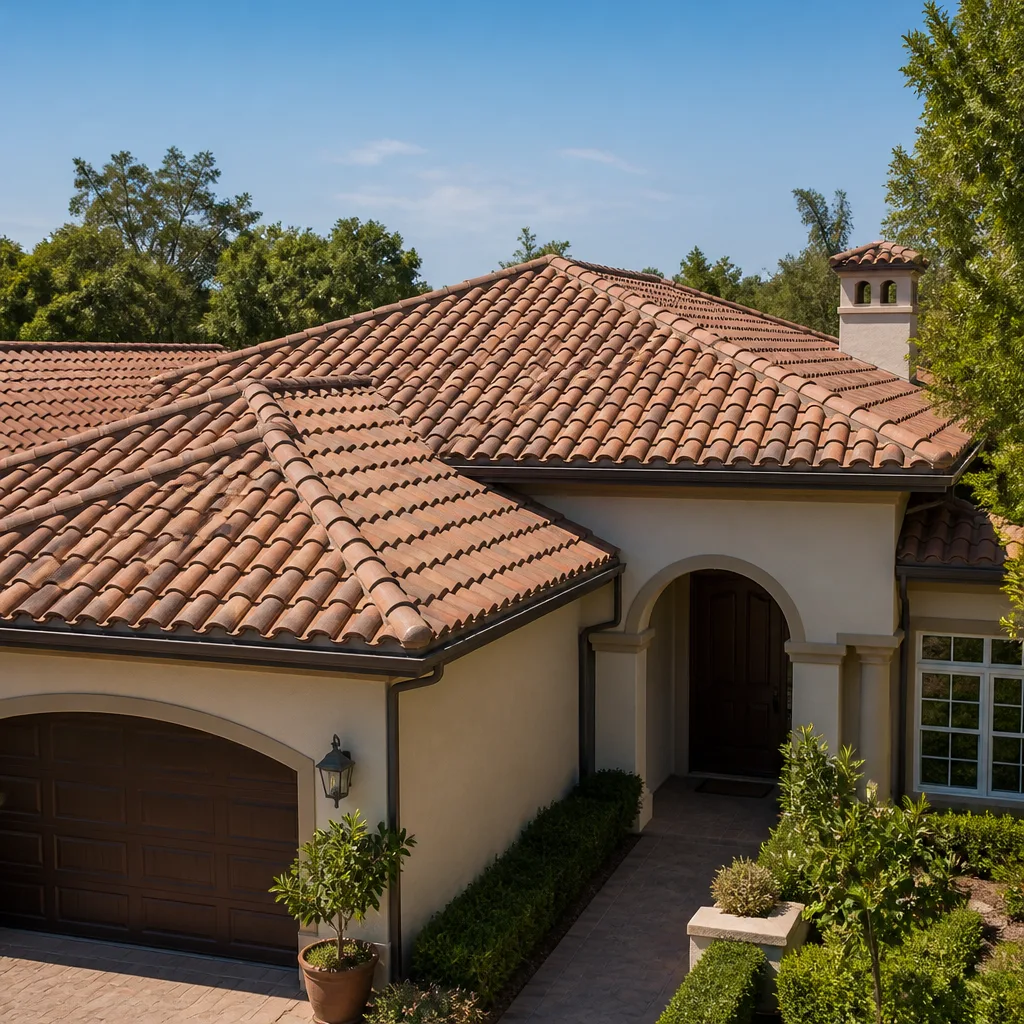 Tile roofing
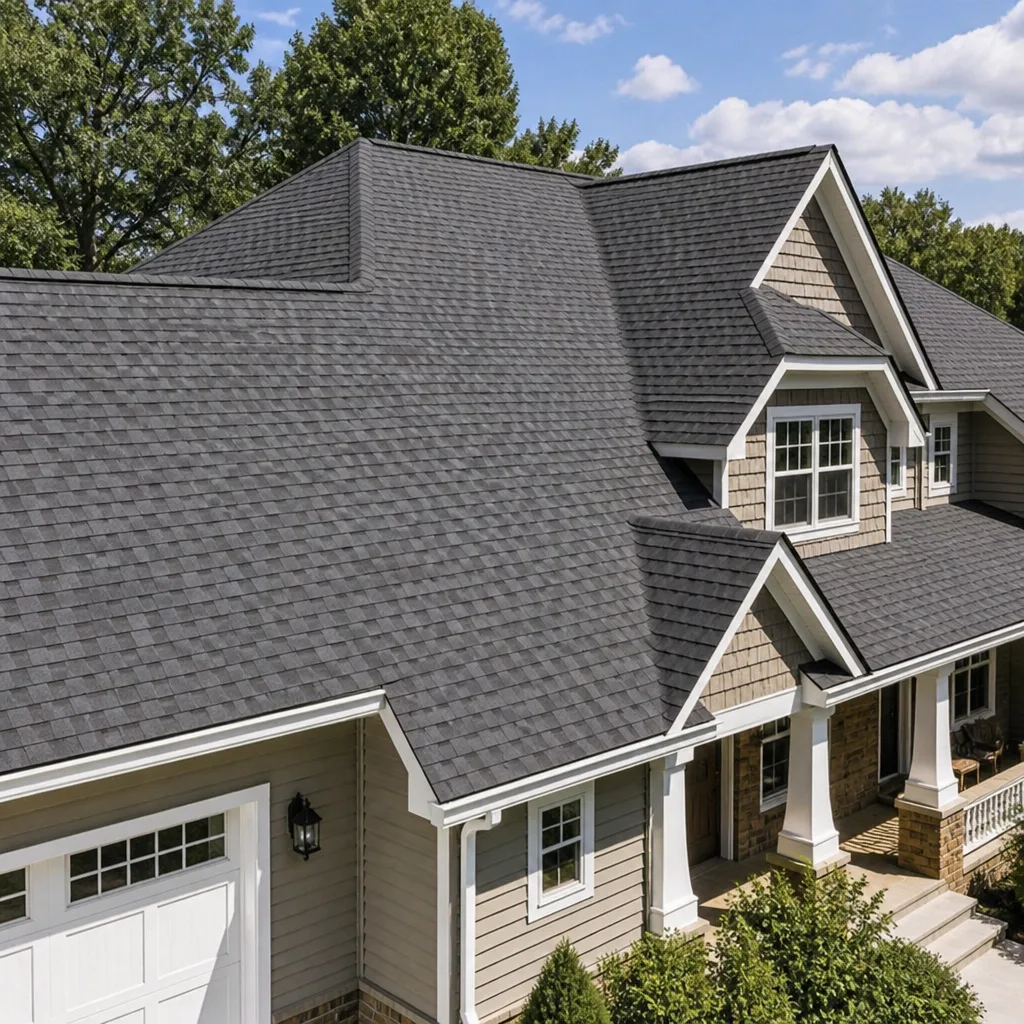 GAF
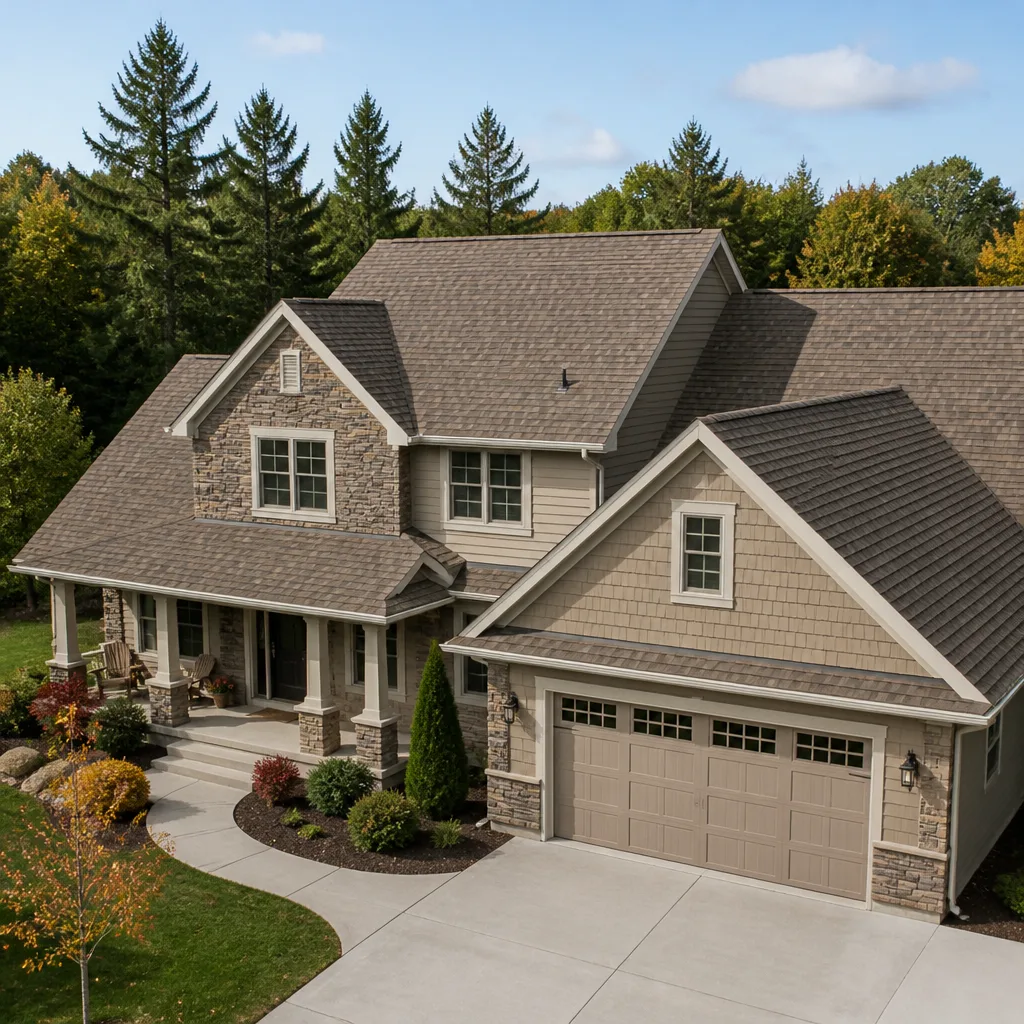 Owens Corning
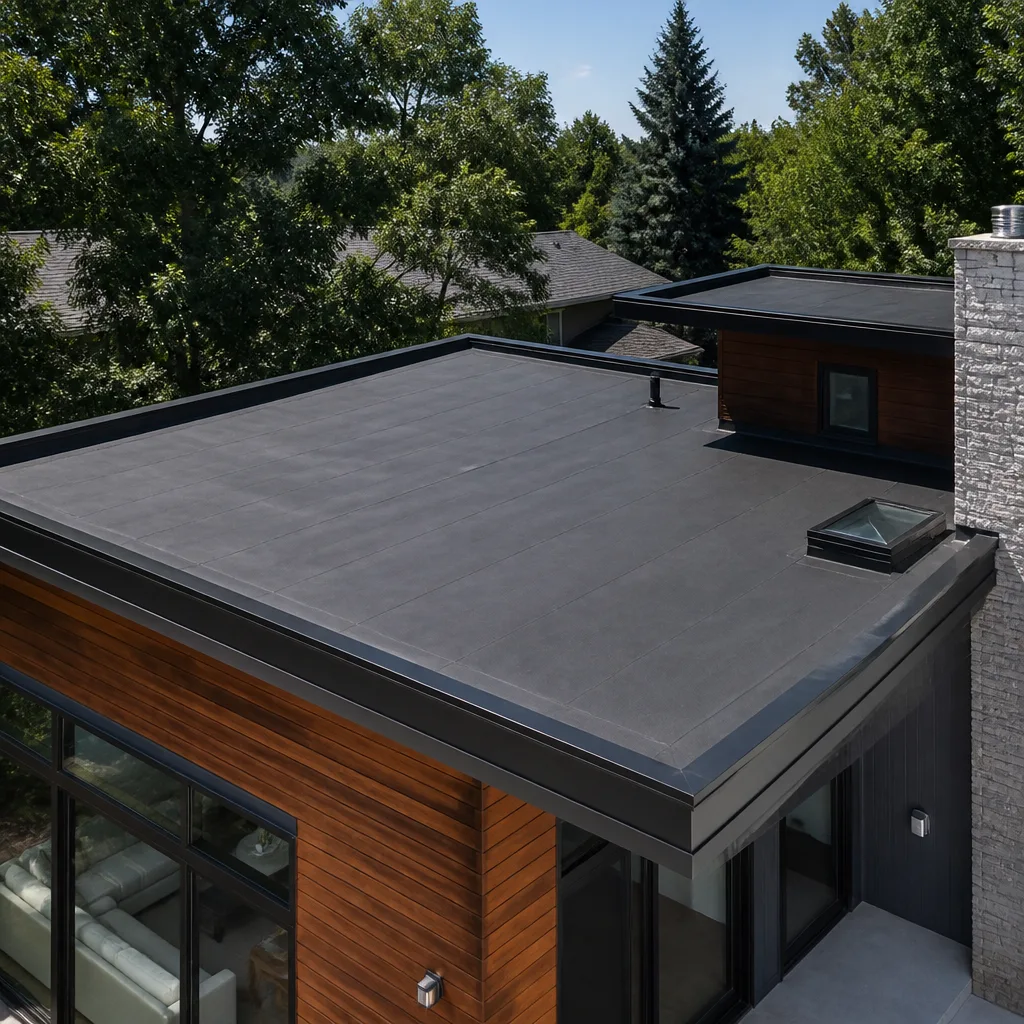 Flat & low-slope
Free roof inspection with deck photos before we talk money - GAF and Owens Corning certified installation
Roofing Permits, Codes & Inspections in CA: What You Need to Know
Here’s a statistic that surprises most Glendale homeowners: a roof can pass a visual inspection from the street and still violate three separate layers of California code. The California Building Code (CBC), Title 24 energy standards, and Glendale’s local fire-zone amendments each impose their own requirements, and they don’t always agree with each other. A contractor who only knows the state code will miss the local layer. A contractor who only knows the local code will miss the energy layer. This guide unpacks all three systems, explains when a simple repair legally becomes a reroof, and shows you exactly what a Glendale Building & Safety inspector looks for when they climb the ladder. For Roofing Warning Signs: A Glendale Homeowner’s Reference Guide, see our companion post. By the end, you’ll know more about roofing permits than most contractors who bid the job.
Styles & brands we work with
Quick Answer
Most roofing work in Glendale, CA requires a permit from Glendale Building & Safety, and any project affecting more than 50% of the roof area is legally a reroof under the California Building Code, triggering full Title 24 cool roof compliance and a mandatory inspection. A repair limited to a small section typically needs only a minor repair permit, but anything involving structural sheathing replacement, roof decking, or a change to the roof’s fire rating will push you into the full permit path. The cost of skipping permits surfaces years later during a home sale, when the unpermitted work becomes a title defect the seller must remediate.
Table of Contents
- When Is a Roofing Permit Required in California?
- The 50% Rule: When a Repair Legally Becomes a Reroof
- Title 24 Cool Roof Requirements for Glendale
- CBC Chapter 15: The State Code Foundation
- Glendale’s Local Fire Code Amendments
- What a Glendale Building & Safety Roofing Inspection Actually Checks
- Unpermitted Roofing Work: The Real Cost When You Sell
- Common Mistakes to Avoid
- When to Call a Professional
- Frequently Asked Questions
- The Bottom Line
When Is a Roofing Permit Required in California?
Under the California Building Code, a permit is required for any roofing project that involves structural changes, sheathing replacement, or work that alters the roof’s fire classification. That’s the state-level answer. But Glendale’s Building & Safety division applies additional layers: the city sits partly within the Very High Fire Hazard Severity Zone (VHFHSZ), which means reroofs must meet Class A fire assembly standards even if the state code might allow a Class B or C rating in other jurisdictions.
Here’s the practical breakdown of when you need a permit in Glendale:
- Full reroof or replacement: Always requires a permit. No exceptions.
- Repair exceeding 50% of the roof surface: Legally a reroof under CBC. Full permit required.
- Patch or repair under 50% but larger than a single square (100 sq ft): Minor repair permit required in Glendale.
- Replacing sheathing or decking: Any structural sheathing replacement triggers a full permit, regardless of square footage.
- Small single-area patches under 100 sq ft: May be exempt, but Glendale’s VHFHSZ overlay means even small repairs must restore the original fire rating. Check with Building & Safety before assuming exemption.
- Skylight, chimney flashing, or penetrations: Permit required if the opening is being altered or the flashing system is being replaced as part of a larger repair.
The California Contractors State License Board maintains a clear standard: any contractor who tells you a full reroof “doesn’t need a permit” is either misinformed or actively avoiding inspection. In Glendale, the city publishes its own roofing permit checklist, and it includes fire-zone documentation that doesn’t appear on the state’s generic form.
In our experience across the Glendale market, homeowners get into trouble most often on the 50% threshold and on fire-zone documentation. A 49% repair that grows into a 60% repair once the old material is stripped becomes an illegal project quickly. Once work starts, there’s no going back without exposing the full scope.
The 50% Rule: When a Repair Legally Becomes a Reroof
The California Building Code draws a bright line: if your project replaces more than 50% of the roof’s total surface area, it is legally a reroof, not a repair. That distinction changes everything about your project’s paperwork, its inspection requirements, and its energy compliance obligations. The 50% calculation includes all contiguous and non-contiguous areas being replaced across the entire roof plane, not just one slope.
Here’s the step-by-step logic a Glendale Building & Safety plan checker follows:
- Measure the total roof surface area. All slopes, all planes. The full footprint including overhangs is measured, not just the section being worked on.
- Measure the area being removed and replaced. This includes tear-off of old shingles or tile, replacement of underlayment, and any new felt or membrane.
- Divide the replacement area by the total area. If the result is greater than 0.50, you have a reroof.
- Apply reroof requirements. Full plan check, Title 24 energy documentation, Class A fire assembly verification (mandatory in Glendale’s VHFHSZ), and a final inspection.
What drives replacement area past the 50% threshold in Glendale’s housing stock? The city’s older homes, particularly in neighborhoods like Verdugo Woodlands and Adams Hill, often have original roofing that’s 20 to 30 years old. When storm damage or age-related deterioration forces a homeowner to act, the scope of viable repair is often already close to the 50% line. Add a second slope that’s also failing, and the project crosses into reroof territory before the homeowner realizes it.
This is exactly why a professional roof inspection matters before any work is scoped. A roofer measuring from the ground or estimating from a satellite image can misjudge the threshold. An inspection from the roof surface gives you an accurate calculation before the permit application is filed.
If you’re in Glendale and unsure whether your planned project crosses the 50% line, start with a roof inspection in Glendale that measures the actual square footage rather than relying on an estimate. The difference between a repair permit and a reroof permit is significant enough that guessing wrong can stop your project cold.
Title 24 Cool Roof Requirements for Glendale
California’s Title 24, Part 6 energy code has required cool roof standards for residential reroofs in most climate zones since 2014, and Glendale falls within a climate zone where those requirements apply to any project that crosses the 50% threshold. A cool roof reflects more sunlight and absorbs less heat than a standard roof, reducing cooling loads and the urban heat island effect. In Glendale’s hot interior valley summers, that’s not a theoretical energy benefit – it’s a measurable difference in your attic temperature and your air conditioning bill.
The requirement is specific: a residential cool roof must meet a minimum aged solar reflectance of 0.20 and a minimum thermal emittance of 0.75, or a minimum Solar Reflectance Index (SRI) of 16, as certified by the Cool Roof Rating Council (CRRC). The aged value matters because roofing materials lose reflectivity as they weather, and Title 24 accounts for that degradation.
Here’s the good news for Glendale homeowners: many standard architectural shingles in lighter colors already meet the Title 24 cool roof threshold without a premium upcharge. CertainTeed’s Landmark and Owens Corning’s Duration lines both include colors with CRRC-rated aged solar reflectance above 0.20, as detailed in our Choosing the Right Roofing Brand: A Buyer’s Guide for Glendale. The key is checking the specific color’s CRRC rating, because darker colors in the same product line often fall below the threshold.
| Roofing Material Type | Typical Compliance Path | Upcharge vs. Standard |
|---|---|---|
| Light-colored asphalt shingles (CRRC-rated) | Meets 0.20 aged reflectance on product label | None to minimal |
| Dark asphalt shingles with reflective granules | Must verify CRRC rating exceeds 0.20 aged | Minor ($0-$15/sq) |
| Clay or concrete tile in light colors | Meets or exceeds threshold naturally | None |
| Metal roofing with cool coating | Exceeds threshold, verified by CRRC certification | Moderate |
| Built-up or modified bitumen | Requires cool roof coating | Moderate to significant |
A contractor who skips Title 24 documentation isn’t saving you money – they’re setting you up for a failed final inspection. Glendale Building & Safety requires a Certificate of Compliance completed by the contractor or a qualified energy consultant, and that certificate must be signed and submitted before the permit is closed. If the installed material doesn’t meet the threshold, the inspector will issue a correction notice and you’ll be back on the phone with a tear-off decision you thought you’d already made.
This is where brand-specific knowledge matters. IKO, Atlas, and other manufacturers produce shingle lines with varying CRRC ratings, and the right product for your roof is determined by existing system compatibility, climate exposure, and budget. For Glendale homeowners considering a roof replacement in Glendale, the material selection conversation should always include the Title 24 compliance check as step one, not an afterthought.
CBC Chapter 15: The State Code Foundation
Chapter 15 of the California Building Code governs roof assemblies and rooftop structures. It’s the baseline every California roofing project must meet, and it covers everything from underlayment requirements to fastener specifications to flashing details. Glendale adopts CBC Chapter 15 in full, then layers its local amendments on top.
The most important sections of CBC Chapter 15 for a residential reroof:
- Section 1505 (Fire Classification): Establishes Class A, B, and C fire ratings for roof assemblies. In Glendale’s VHFHSZ overlay, Class A is mandatory for any reroof, which means the entire assembly – shingles, underlayment, and decking – must meet the Class A standard.
- Section 1506 (Materials): Sets the physical property standards for roofing materials, including wind uplift resistance and impact ratings.
- Section 1507 (Specific Roof Coverings): Lays out the installation standards for asphalt shingles, tile, metal, and other materials, including fastener counts and nailing patterns.
- Section 1510 (Reroofing): Defines when a recover is allowed versus a full tear-off, and sets the maximum number of existing roof layers permitted at two. If your Glendale home already has two layers of shingles, a full tear-off is mandatory before adding a third.
- Section 1511 (Replacement of Existing Roof Coverings): Establishes the same 50% threshold discussed above, and specifies that replacement of existing roof coverings must comply with current code, not the code in effect when the original roof was installed.
The wind uplift provisions in Section 1506 are often overlooked by homeowners because Glendale isn’t a hurricane zone. But the city sits against the Verdugo Mountains and receives periodic Santa Ana wind events that can exceed 60 mph in exposed ridge areas. Proper nailing patterns and starter strip installation, as specified in Section 1507, are what keep shingles attached during those events. A cut-rate installation with too few fasteners fails the final inspection, and it fails even faster when the first strong wind hits.
For homeowners working through a roof repair in Glendale, the Chapter 15 standards matter even on small patches. The repair must restore the assembly to its original fire rating and structural performance. A patch that uses the wrong underlayment or skips the correct fastener count is a code violation on the day it’s installed.
Glendale’s Local Fire Code Amendments
Glendale’s Building & Safety division operates under a local fire code overlay that is significantly more restrictive than the state baseline, driven by the city’s topography and the brush fire risks along the Verdugo Mountains and the San Rafael Hills. If you’re reroofing a home in neighborhoods like Chevy Chase Canyon, Whiting Woods, or the upper reaches of Montrose, your project is almost certainly within the Very High Fire Hazard Severity Zone boundary.
Here’s how Glendale’s local amendments layer on top of CBC Chapter 15:
- Class A assembly requirement throughout the VHFHSZ: The state code allows Class B or C roof assemblies in some areas, but Glendale’s local ordinance requires Class A for all reroofs within the hazard zone. Class A means the assembly passed the most stringent fire testing under ASTM E108 or UL 790.
- Underlayment specification: In the VHFHSZ, Glendale requires a specific underlayment system that is tested as part of the assembly, not just any felt or synthetic underlayment. The underlayment must be compatible with the Class A listing of the shingle or tile product being installed.
- Eave and ridge venting restrictions: In fire-prone areas, Glendale may require ember-resistant venting or additional screening on intake and exhaust vents. Off-the-shelf vents that pass in Pasadena or Burbank may not pass inspection in the Glendale hills.
- Chimney and spark arrestor requirements: During a reroof, any chimney servicing a solid fuel appliance must be brought into compliance with spark arrestor requirements. This correction notice is issued more often than any other on Glendale hillside reroofs, because homeowners don’t expect a roofing permit to trigger a chimney retrofit.
- Roofing debris removal and access requirements: Glendale’s fire code includes specific requirements for construction debris containment and site access that exceed the state standard, designed to keep streets passable for fire apparatus during an active construction project.
A state-code-only contractor who doesn’t work regularly in Glendale will miss these local requirements. That’s not speculation – it’s the most common reason out-of-area roofing bids end up with correction notices, delays, and change orders once the local inspector reviews the submittal. Glendale’s plan check process filters for these local amendments early, but only if the contractor knows to include the right documentation.
What a Glendale Building & Safety Roofing Inspection Actually Checks
Glendale Building & Safety performs roofing inspections at specific stages of the project, not just at the end. Skipping an intermediate inspection is a common mistake that forces costly rework. Here’s the typical inspection sequence for a residential reroof in Glendale:
- Pre-installation / submittal review: Before work begins, the inspector reviews the permit, the Title 24 compliance certificate, and the product approvals for the materials being installed. For VHFHSZ projects, the Class A assembly documentation is verified at this stage.
- Sheathing / decking inspection (if structural work is involved): If any sheathing was replaced, the inspector verifies the decking thickness, the fastener schedule, and the condition of the framing beneath. This inspection must happen before the underlayment goes on.
- Underlayment inspection: In the VHFHSZ, the underlayment is inspected before the roofing material is installed. The inspector verifies the correct product, the correct overlap, and the correct fastening pattern.
- Final inspection: After the roof is complete, the inspector verifies the finished installation against the approved plans, checks flashing details, confirms Class A assembly components are visible where required, and verifies the Title 24 cool roof compliance for the installed product.
The two most common correction notices issued on Glendale roofing projects:
- Cool roof documentation mismatch: The installed shingle color doesn’t match the CRRC-rated product listed on the Title 24 compliance certificate. This happens most often when a homeowner changes color after the permit is issued but doesn’t update the documentation.
- Underlayment not compliant with VHFHSZ requirements: The contractor installed a generic synthetic underlayment instead of the assembly-tested product required in the hazard zone. This requires tearing off the already-installed shingles to correct.
Both of these corrections are preventable with the right documentation at submittal time. In our experience, the difference between a roofing project that closes smoothly and one that stalls is almost always the quality of the permit package filed before the first shingle is torn off.
Unpermitted Roofing Work: The Real Cost When You Sell
Unpermitted roofing work is a deferred cost, not a saved cost. It surfaces at the worst possible moment – during escrow – and the remedy is almost always more expensive than pulling the permit properly in the first place.
Here’s what happens when unpermitted roofing work appears during a Glendale home sale:
- Buyer’s home inspector or appraiser identifies the new roof. On a disclosure form, the seller must answer truthfully about work performed without permits. Concealing it is fraud; disclosing it opens the negotiation.
- The lender or title company flags the unpermitted work. Underwriters increasingly require permit records for major systems, including roofs, before approving a loan. If no permit exists, the loan may be conditioned on retroactive permitting.
- Retroactive permitting requires opening the assembly. Glendale Building & Safety will not issue a permit retroactively without an inspection, and an inspection requires access to the underlayment, the flashing, and the structural connection. The shingles installed “to save money” on permits will be torn off to expose the work area.
- The remediation cost exceeds the original permit cost. The homeowner now pays for the inspection, the permit, the repair or rework required to meet code, and the re-installation of the roofing material. In Glendale’s VHFHSZ, the retroactive inspection often finds non-compliant underlayment, which means the entire reroof – not just a section – must be redone.
What does the math look like? A Glendale reroof permit for a typical 2,000 sq ft single-story home costs a few hundred dollars in direct fees, plus the cost of Title 24 documentation and possibly a plan check. Retroactive permitting after the fact, with the corrective work required to bring the assembly into compliance, commonly runs five to ten times that amount. And the seller is holding the invoice during the escrow period, which is exactly when there’s no negotiating leverage.
If you bought a Glendale home with an unpermitted roof and you’re now looking at the remediation path, treat it as a two-phase project: first, get a diagnosis of what’s actually installed, then apply for the permit that matches the corrective scope. A Weathervane Roof Repair home inspection identifies exactly what was installed and what has to change before Glendale Building & Safety will close the permit.
Common Mistakes to Avoid
- Assuming a repair under the 50% threshold needs no permit at all. Glendale still requires permits for most repairs larger than a single square. Small-patch exemptions exist, but the VHFHSZ fire rating restoration requirement often pulls a project into permitting even when the state code would exempt it.
- Choosing shingle color without checking the CRRC rating. A dark shingle that looks great on the sample board may not meet the Title 24 cool roof threshold. Once the color is installed, correcting it means a full tear-off. Verify the CRRC aged solar reflectance before you commit to a color.
- Hiring a contractor who bids from the ground. An estimate based on satellite imagery or gutter-level photos cannot accurately measure the roof area, which means the 50% calculation may be wrong. Get a roof-surface inspection before the permit is filed.
- Skipping the underlayment inspection. In Glendale’s VHFHSZ, the underlayment inspection is mandatory before shingles go on. Working ahead of the inspector on this stage means tearing off finished material to expose the underlayment for review.
- Ignoring the chimney spark arrestor requirement. During a reroof, solid fuel chimneys must meet current fire code. Homeowners who skip this correction find themselves with a failed final inspection and a chimney retrofit they didn’t budget for.
- Using an out-of-area contractor who doesn’t know Glendale’s amendments. The Glendale fire code overlay creates requirements that don’t exist in neighboring cities. A contractor who doesn’t file Glendale permits regularly will miss them – and you’ll pay for the correction.
- Treating unpermitted work as a buyer-side problem. Unpermitted roofing work doesn’t disappear at close of escrow. It follows the title. The seller’s problem becomes the buyer’s problem somewhere between the home inspection and the final underwriting.
When to Call a Professional
If your project crosses the 50% threshold, touches any structural component, or falls within the Glendale VHFHSZ boundary, you need a licensed contractor who knows this city’s permit process from the plan check to the final sign-off. The same applies if you’ve discovered unpermitted work from a previous owner and need a remediation path forward. Glendale’s Building & Safety division doesn’t negotiate on fire code, and the correction process is unforgiving once work is installed incorrectly.
Weathervane Roof Repair offers free estimates in Glendale – call (877) 755-4274. We start with a roof-surface inspection, we file the full permit package with Title 24 documentation included, and we schedule the intermediate inspections at the right stages so the project closes cleanly. No surprises, no change orders, no work that gets torn off because the paperwork wasn’t right.
Frequently Asked Questions
A residential roofing permit in Glendale typically costs several hundred dollars in direct fees, depending on project valuation and square footage, plus the cost of Title 24 compliance documentation. The full cost is quoted when you file, and it is a small fraction of the cost of retroactive permitting if the work is completed without one. Call (877) 755-4274 for a free estimate that includes the full permit scope.
Most repairs larger than 100 square feet require a minor repair permit in Glendale, and any repair within the Very High Fire Hazard Severity Zone must restore the Class A fire assembly rating regardless of size. Small single-area patches may be exempt, but you should confirm with Building & Safety before assuming the exemption applies. Our roof inspection service measures the actual repair scope so you know whether a permit is required.
Under the California Building Code, if more than 50% of the total roof surface area is being replaced, the project is legally a reroof, not a repair, and must meet full reroof requirements including plan check, Title 24 compliance, and a final inspection. The 50% is calculated over the entire roof, not just the slope being worked on. An accurate measurement from the roof surface is essential to avoid miscategorizing the project.
Any roofing product with a CRRC-certified aged solar reflectance of 0.20 or higher and thermal emittance of 0.75 or higher, or an SRI of 16 or higher, meets the Title 24 cool roof standard for residential reroofs in Glendale. Many light-colored architectural shingles from manufacturers like CertainTeed, Owens Corning, and IKO meet the standard without a premium upcharge. The specific color must be verified for CRRC rating before installation.
Unpermitted roofing work must be disclosed during a home sale, and the seller typically bears the cost of retroactive permitting, which requires exposing the assembly for inspection and correcting any non-compliant components. In Glendale’s fire hazard zone, non-compliant underlayment is a common finding, and the correction often requires a full redo of the roofing project. Remediation costs far exceed the original permit cost.
Glendale Building & Safety reviews the permit application and plans before issuing a roofing permit, and a physical roof inspection is required at scheduled stages of the project, including intermediate inspections for structural and underlayment work in the fire hazard zone. A pre-project professional roof inspection is recommended to establish accurate scope and identify existing code issues before the permit is filed. Call (877) 755-4274 to schedule one.
The Bottom Line
California’s roofing permit system is layered: state code, state energy standards, and local fire amendments all apply simultaneously in Glendale, and each layer adds requirements a partial understanding will miss. The 50% rule draws the line between repair and reroof, Title 24 draws the line on energy compliance, and Glendale’s VHFHSZ overlay draws the line on fire safety. Getting all three right costs a few hundred dollars and a few days of scheduling. Getting any one of them wrong costs thousands and surfaces at the worst possible moment. The roof that’s permitted correctly today is the roof that doesn’t derail your home sale tomorrow. Browse our more guides & resources for additional Glendale roofing help.
Call (877) 755-4274 for a free estimate. We’ll measure the actual roof area, determine your permit requirements, and file a complete package with Glendale Building & Safety. Inspection first, repairs only when they’re warranted.
Written by the team at Weathervane Roof Repair, serving Glendale since 2014.
See the difference
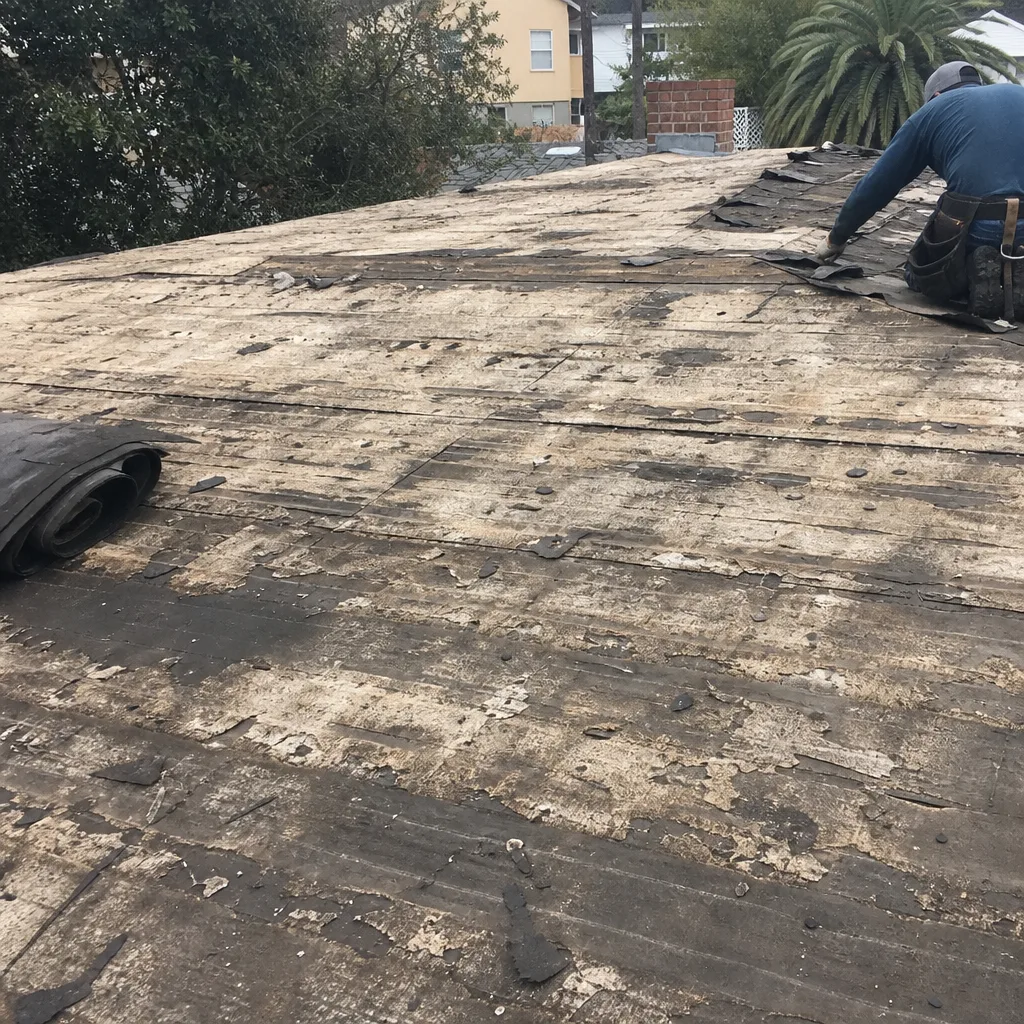 Before
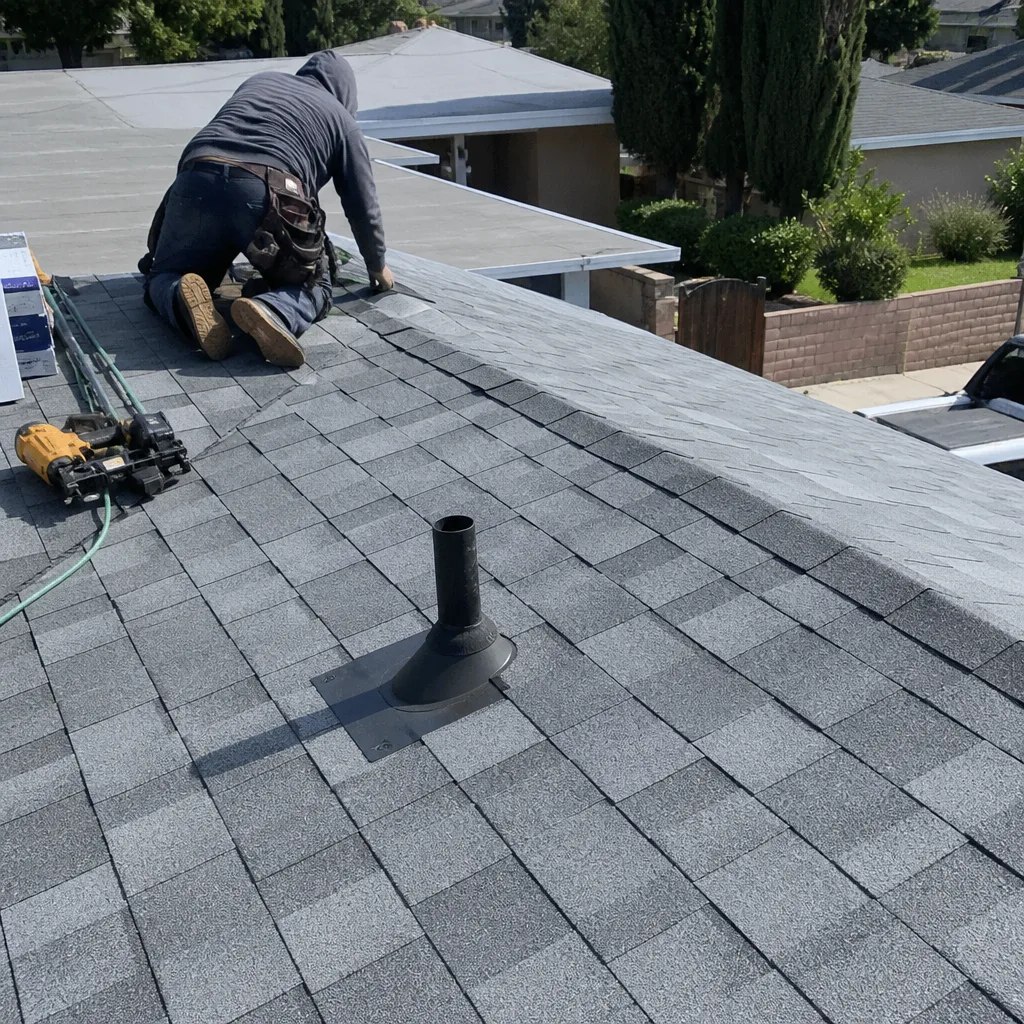 After
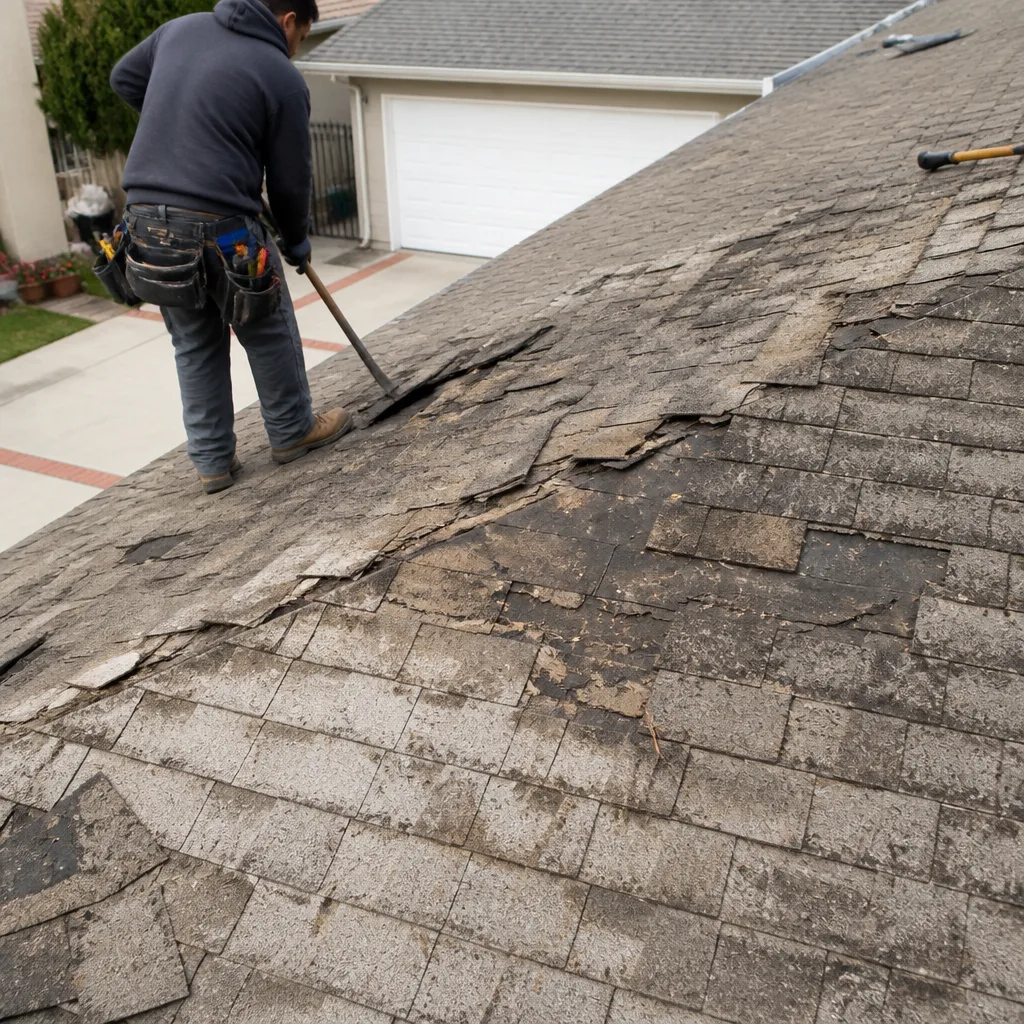 Before
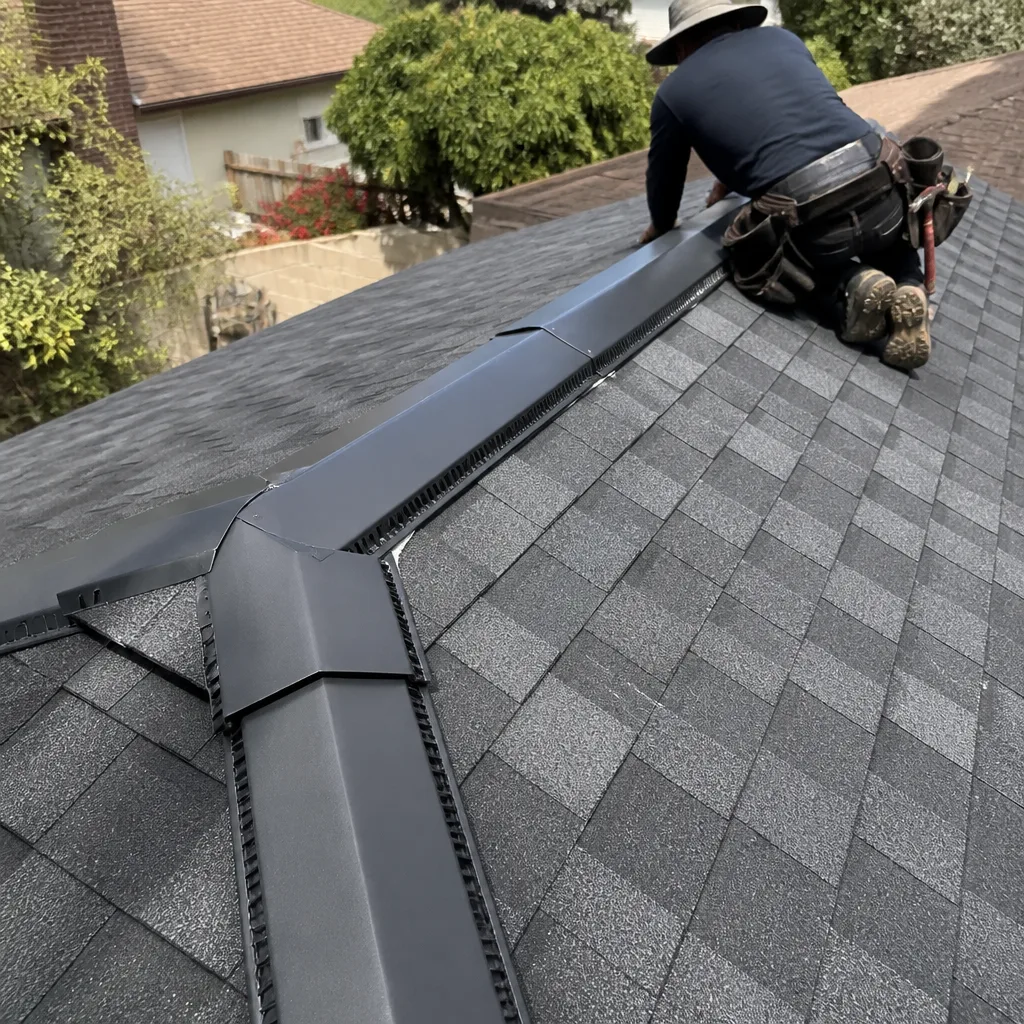 After
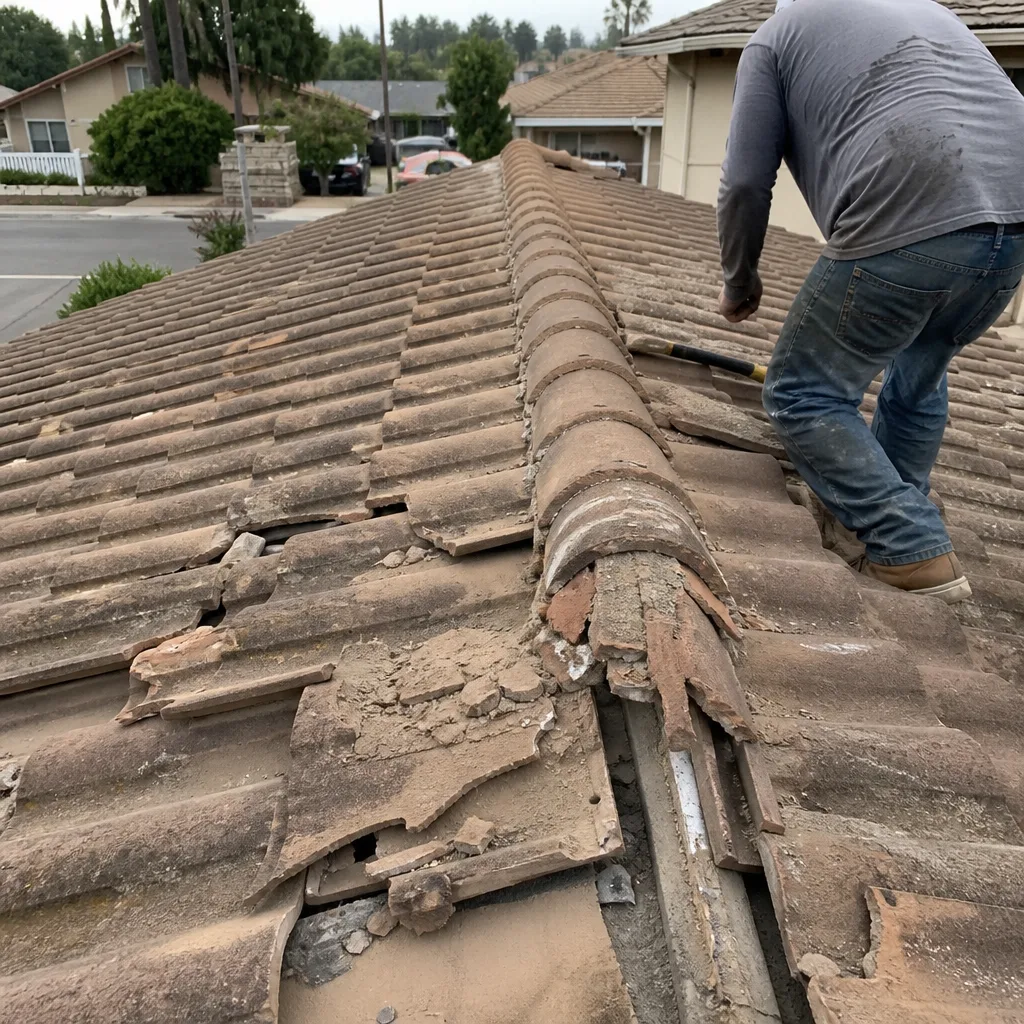 Before
 After