Last updated October 30, 2026
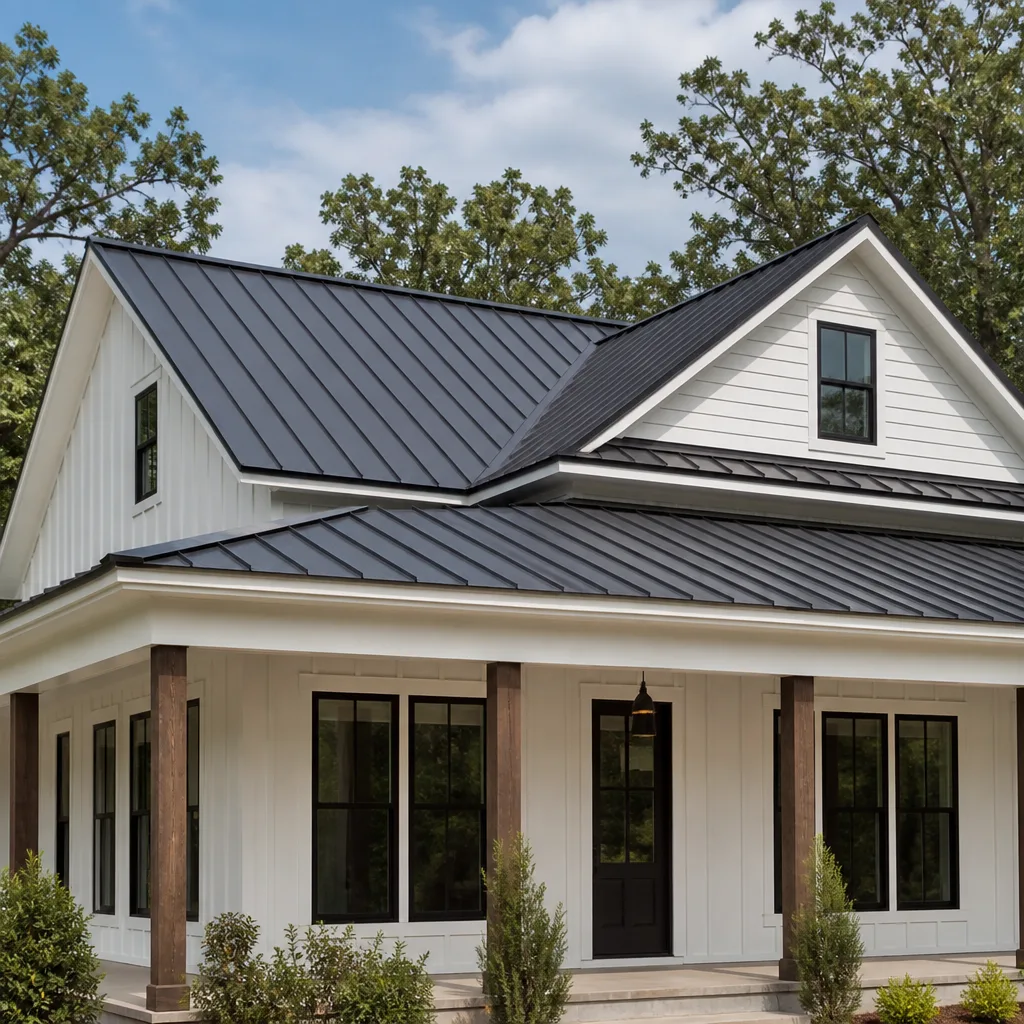 Metal roofing
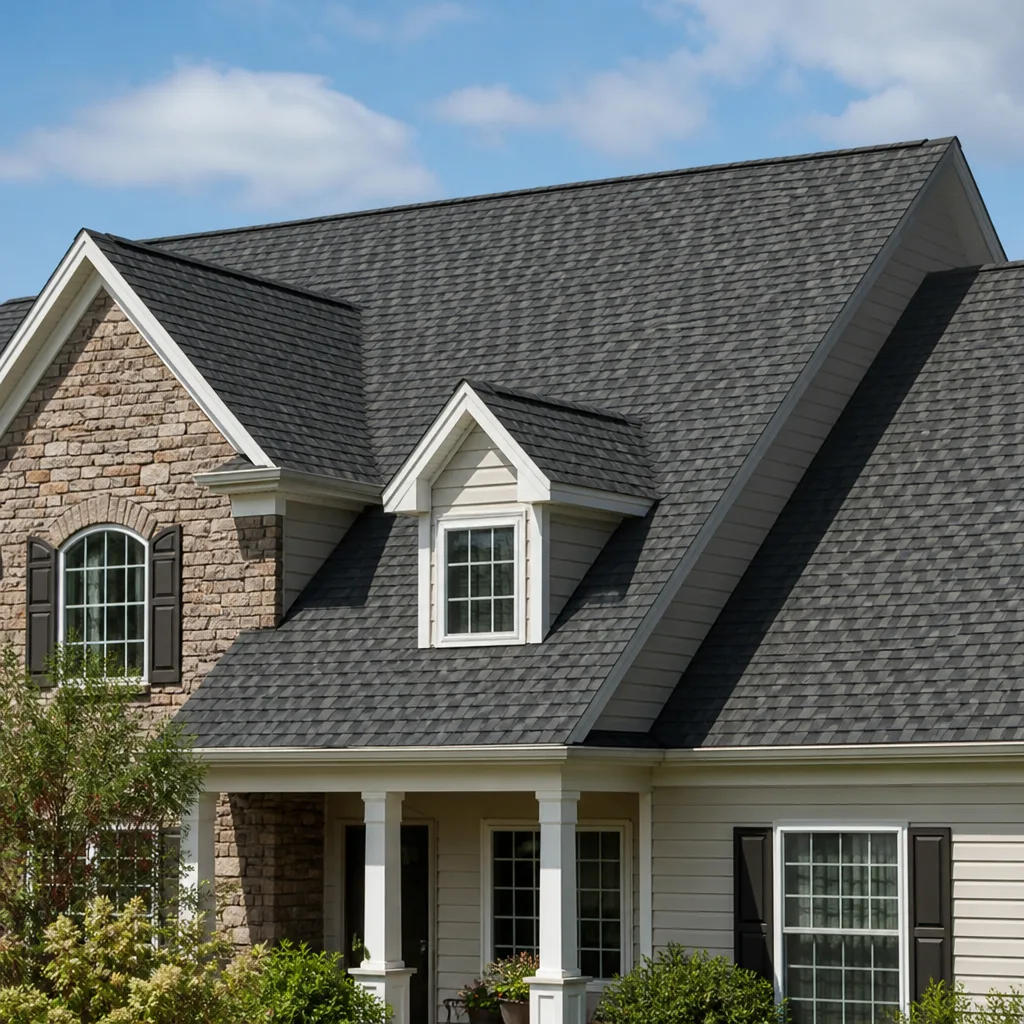 Architectural shingles
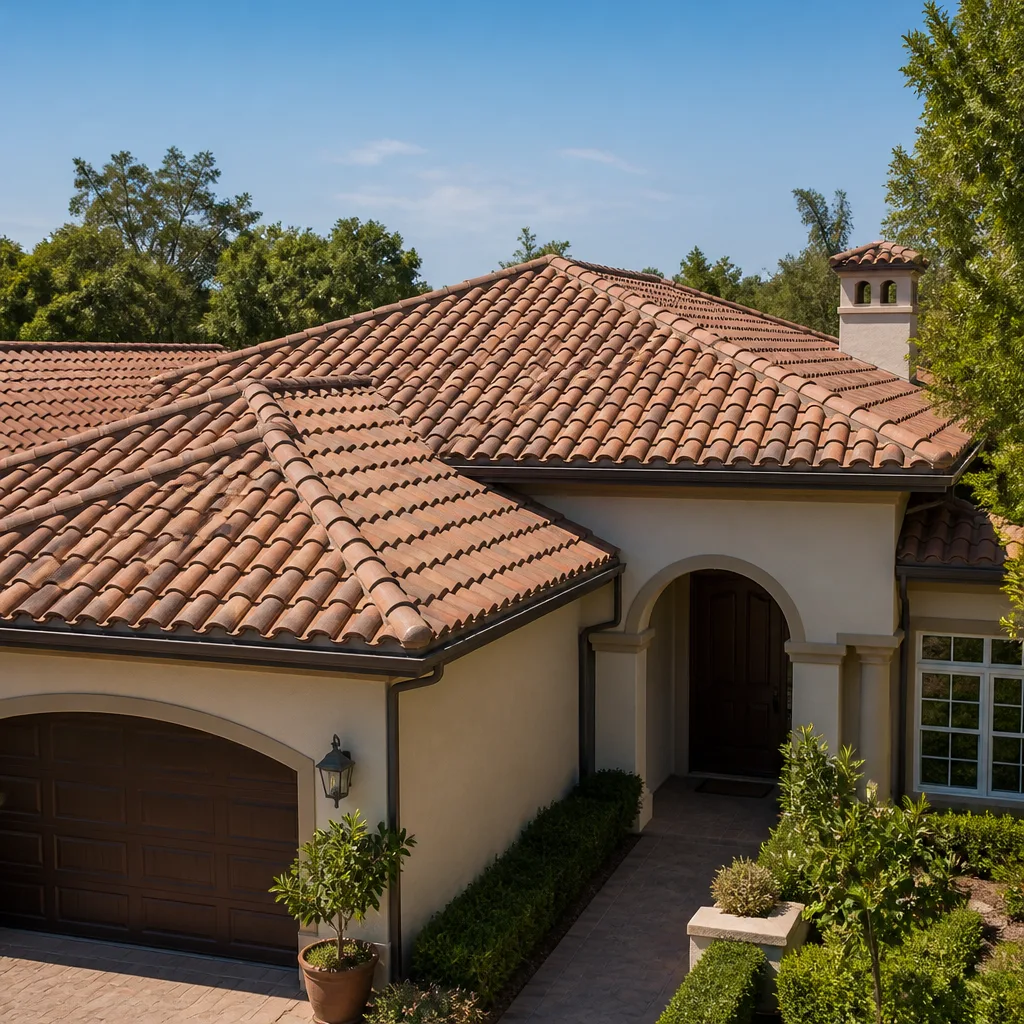 Tile roofing
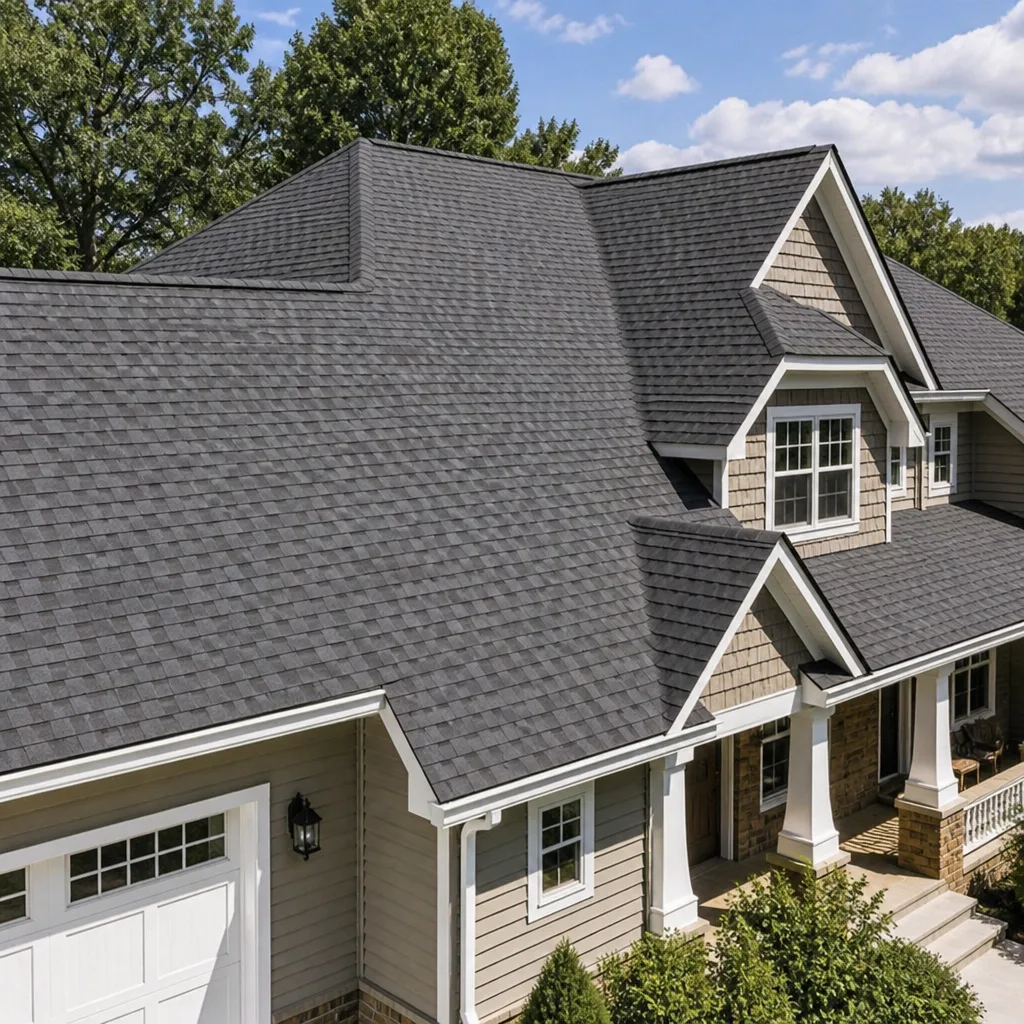 GAF
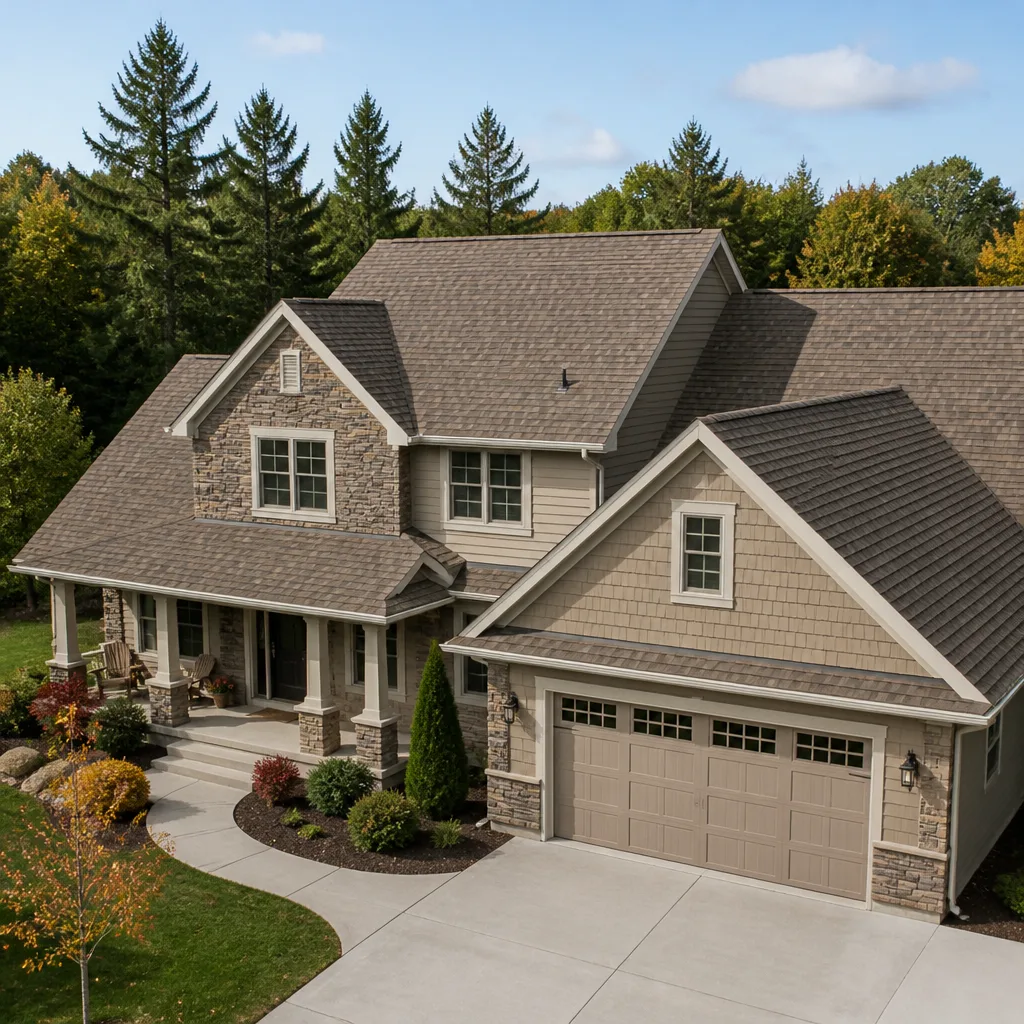 Owens Corning
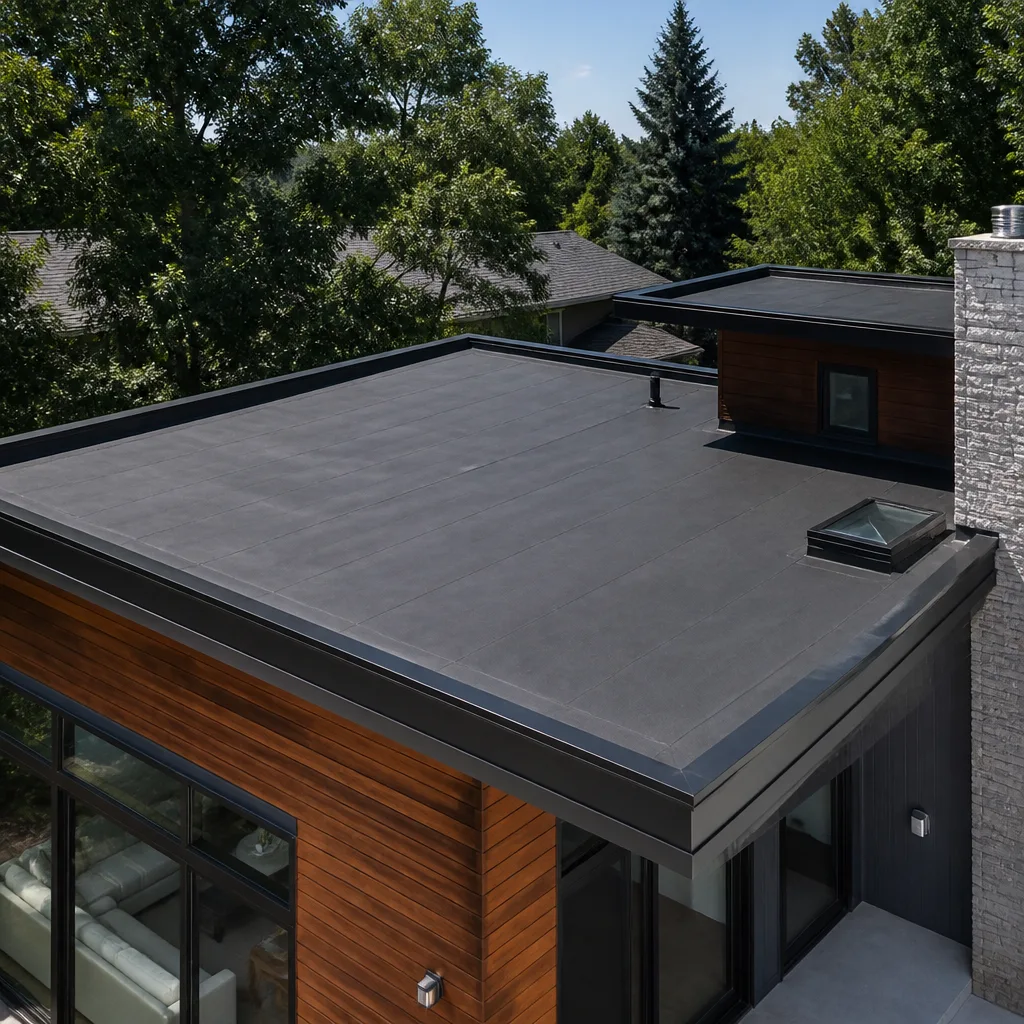 Flat & low-slope
Free roof inspection with deck photos before we talk money - GAF and Owens Corning certified installation
Choosing the Right Roofing Brand: A Buyer’s Guide for Glendale
Here’s something most Glendale homeowners don’t realize until it’s too late: the roofing brand your neighbor swears by might be the wrong choice for your house. Not because it’s a bad product, but because it was never matched to the specific conditions your roof actually faces. Glendale’s position against the Verdugo Mountains means steep terrain, wind corridors, and fire zones that don’t show up in national roofing commercials. By the time you finish this guide, you’ll know which brands actually perform here, which ones cost more than they should, and how to avoid paying premium prices for features your roof will never use.
Styles & brands we work with
Quick Answer
The best roofing brand in Glendale is the one matched to your home’s specific fire-zone requirements, wind exposure, roof deck weight capacity, and budget. For most Glendale homes, that means certain lines from CertainTeed, Owens Corning, IKO, or Atlas that carry Class A fire ratings and at least 110 mph wind resistance. Brand reputation matters less than installation quality and specification matching, which is why we start every Glendale project with a roof inspection before ever discussing brands.
Table of Contents
- Why Fire Ratings Should Drive Your Glendale Brand Shortlist
- Wind Resistance: The 110 MPH Baseline Glendale Homes Need
- UV Load and Thermal Cycling: What Glendale’s Sun Actually Does to Shingles
- The Weight Question for Glendale’s Older Spanish and Craftsman Homes
- Why Warranty Comparison Is Nearly Meaningless Without Reading Installation Clauses
- How the Brands We Work With Perform in Glendale Specifically
- Managing Total Project Cost Without Sacrificing Fire-Zone Compliance
- Common Mistakes to Avoid
- When to Call a Professional
- Frequently Asked Questions
- The Bottom Line
Why Fire Ratings Should Drive Your Glendale Brand Shortlist
Glendale sits inside and adjacent to Very High Fire Hazard Severity Zones (VHFHSZ), particularly in neighborhoods like Verdugo Woodlands, Chevy Chase Canyon, and the hillside sections above the 2 Freeway. That designation changes what your roof needs to do. When embers land on your roof during a wind-driven fire event, the difference between a Class A system and a Class B system is the difference between a roof that resists ignition and one that becomes fuel.
Here’s what most brand marketing won’t tell you: many manufacturers offer multiple product lines within the same brand, and not all of them carry Class A ratings. A CertainTeed Landmark shingle can be part of a Class A assembly, but that rating depends on the underlayment and deck preparation specified in the installation manual. Skip the specified underlayment, and you’ve paid for a rating you don’t actually have.
This is where Glendale’s requirements get specific:
- Class A fire rating means the entire roofing assembly passed the most stringent fire test. This includes the shingles, the underlayment, and the deck. Not just the top layer.
- VHFHSZ building codes in Los Angeles County require specific underlayment combinations. In some zones, that means a fire-resistant cap sheet or additional layers that add $800 to $2,000 to the total job depending on roof size.
- Some premium national brands offer Class A systems that require specific underlayment combinations most installers quote incorrectly. We’ve seen bids from other Glendale contractors that listed a shingle as Class A without including the required underlayment upgrade. The homeowner thought they were getting a fire-rated roof. They weren’t.
Before you fall in love with a specific shingle color, verify that the full assembly the contractor is quoting actually meets Glendale’s fire zone requirements. If your bid doesn’t mention underlayment specifications, that’s a red flag.
When we perform a roof inspection in Glendale, one of the first things we check is whether your current assembly meets the fire rating required for your specific address. It’s not uncommon for homes built before the current codes to fall short, and that matters before any full roof replacement in Glendale gets priced.
Wind Resistance: The 110 MPH Baseline Glendale Homes Need
Glendale’s geography creates wind patterns that don’t affect the flat parts of Los Angeles. The Santa Ana winds accelerate through the canyons and over the Verdugo crest, hitting homes on the north and east sides of the city with gusts that routinely exceed what the manufacturer’s standard nail pattern is tested for.
Here’s the specific number to remember: 110 mph wind resistance rating is the minimum we specify for any Glendale home in a wind-exposed location. That includes hillside properties, homes near canyon mouths, and any roof with a pitch steeper than 6:12.
How brands differ on wind ratings:
- CertainTeed’s High Wind-rated lines use reinforced nail strips and specific fastening patterns to achieve 110 mph and above when installed with the specified number of nails per shingle.
- Owens Corning’s Duration series carries ratings up to 130 mph on certain profiles, but only when the installer uses the SureNail strip correctly and follows the wind-specific nailing pattern.
- IKO’s Nordic and Dynasty lines offer enhanced wind resistance, though IKO has historically been more sensitive to installation errors than some competitors. The shingle performs when installed exactly to spec.
- Atlas StormMaster Slate is rated for 150 mph with the proper fastening, but the heavier profile adds weight that some Glendale decks can’t handle (more on that below).
The wind rating on the shingle package means nothing if the installer uses the standard four-nail pattern when the rating requires six nails. In our experience on Glendale roofs, the installation spec is where wind performance is won or lost. We’ve repaired roofs in the Verdugo Woodlands where shingles from a top-tier brand failed within five years because they were nailed on the wrong line, not because the shingle was defective.
If you’re dealing with wind damage already, our roof repair service in Glendale starts with identifying whether the original installation followed the wind spec. That diagnosis determines whether you need a repair or a fix to a systemic problem.
UV Load and Thermal Cycling: What Glendale’s Sun Actually Does to Shingles
Glendale gets over 280 days of sun per year, with summer roof surface temperatures routinely exceeding 140 degrees on dark shingle colors. At night, that surface can drop 50 to 60 degrees. Multiply that thermal cycle by 365 days a year for 15 years, and you have roughly 5,400 expansion and contraction cycles happening to your shingles.
That’s the real test of an asphalt shingle in this climate. Not a rainstorm. Not a wind event. The daily grind of heating and cooling.
Here’s what we’ve observed in Glendale specifically, based on roofs we’ve inspected and repaired across the city:
- Shingles with higher rubber or SBS polymer content handle thermal cycling better. CertainTeed Landmark uses a dual-laminate construction that resists cracking under repeated heat cycles. Owens Corning Duration’s SureNail technology creates a more flexible nail zone that reduces stress fractures around fasteners.
- Darker shingle colors absorb more heat. A dark gray or charcoal architectural shingle in Glendale will run 15 to 20 degrees hotter than a lighter color from the same brand. That’s not a style issue; it’s a lifespan issue. Every 18-degree reduction in surface temperature roughly doubles the effective life of the asphalt compound.
- Granule loss accelerates on roofs with continuous sun exposure on one plane. South and west-facing slopes in Glendale lose granules faster than north-facing slopes on the same house. Brands with more aggressive granule adhesion, like CertainTeed’s granule embedment process, tend to hold up better on those exposed planes.
- Cool roof compliance matters for some Glendale slopes. California Title 24 energy codes and some local Glendale building requirements specify minimum solar reflectance for certain roof replacements. Lighter colors and cool roof-rated shingle lines from all four major brands we work with can meet these requirements, but you need to confirm the specific product line carries the Cool Roof Rating Council certification.
If your roof is original to a home built in the 1990s or earlier, there’s a good chance the shingles were not designed for the heat load Glendale now experiences. Homes in the Rossmoyne Historic District and other older neighborhoods often have original roofing systems that are decades past their effective lifespan in this climate.
The Weight Question for Glendale’s Older Spanish and Craftsman Homes
Glendale has one of the largest concentrations of 1920s through 1940s Spanish Colonial Revival and Craftsman homes in Southern California. Many of these original roof decks were framed with 1×6 or 1×8 plank sheathing over rafter spacings that would not pass modern building codes.
That creates a real engineering constraint that most brand comparison guides ignore: your roof deck may not support the weight of a premium architectural shingle.
Here’s the math that matters:
- Standard three-tab asphalt shingles weigh roughly 190 to 220 pounds per square (a square is 100 square feet of roof area).
- Most architectural or dimensional shingles weigh 250 to 300 pounds per square. That’s a 25 to 40 percent increase in dead load.
- Some premium designer lines
weigh 350 to 450 pounds per square.
If your 1930s Spanish home in the Adams Hill neighborhood was built for a 200-pound-per-square roof, you’re looking at more than double the original design load.
Specific lightweight notes from the brands we work with:
- CertainTeed’s Landmark series weighs in around 240 pounds per square. That’s heavy enough for durability but light enough for most decks that were originally built for three-tab shingles.
- CertainTeed’s XT 30 line is a genuine lightweight option at approximately 195 pounds per square. This is one of the few cases where “lightweight” actually means a meaningful difference in weight, not a marketing phrase.
- Owens Corning Duration is a mid-weight option at roughly 260 pounds per square. Most modern Glendale homes can carry this, but older decks may need structural review.
- Atlas StormMaster Slate and IKO Royal Estate are heavy designer profiles that look amazing but often require deck reinforcement on older Glendale homes, adding $1,500 to $5,000 to the job.
- Fastener pattern requirements. Most brands specify a minimum number of nails per shingle and the exact nail location. Use fewer nails or nail in the wrong spot, and the wind warranty is void. We’ve seen Glendale roofs where every shingle was installed with four nails on a line that required six.
- Underlayment specifications. Many brands require a specific underlayment brand or type for the full system warranty to apply. A contractor who substitutes a cheaper synthetic underlayment can void the warranty before the first shingle goes down.
- Ventilation requirements. CertainTeed and Owens Corning both have warranty language around attic ventilation. Inadequate intake or exhaust ventilation can void coverage for thermal-related failures. Glendale attics, especially in older homes, are often under-ventilated.
- Workmanship is not covered by manufacturer warranties at all. The manufacturer warrants the materials. Installation errors are the contractor’s responsibility. If your shingles fail because they were installed wrong, the brand warranty won’t help you. The contractor’s workmanship warranty is the only thing standing between you and a full-cost repair, which is why you need to know what your contractor actually warrants and for how long.
- Deck reinforcement. If your deck needs strengthening for a heavy shingle, that’s $1,500 to $5,000 before any shingles go on. Choosing a lighter shingle is the single biggest cost lever most homeowners don’t know they have.
- Underlayment upgrades for fire zones. Glendale’s VHFHSZ requirements can add $800 to $2,000 to a job, but this is non-negotiable. Don’t look for savings here.
- Premium shingle lines vs. mid-tier architectural shingles. The jump from a mid-tier architectural shingle to a premium designer line often costs $4,000 to $8,000 on a typical 2,000-square-foot Glendale roof. That money buys a distinctive look and sometimes a longer material warranty, but it doesn’t buy meaningfully better fire or wind performance on most houses.
- Ventilation corrections. Older Glendale homes frequently lack code-compliant attic ventilation. Adding intake vents or a ridge vent system during the roof job is the smart way to do it, but it costs $600 to $1,800 depending on the house.
- Choosing a brand before choosing an installer. The installer is the single biggest variable in roof performance. A great shingle installed badly fails early. A mid-tier shingle installed correctly lasts decades. In Glendale, where thermal cycling punishes installation shortcuts, this matters more than anywhere.
- Comparing warranties without reading the installation clauses. A 50-year “lifetime” warranty means nothing if the contractor’s nailing pattern, underlayment choice, or ventilation work voids it. Ask to see the exact warranty language before you sign.
- Ignoring fire zone requirements in favor of price. In Glendale’s VHFHSZ neighborhoods, a cheaper roof that doesn’t meet Class A assembly requirements isn’t a bargain. It’s a liability that can affect insurance coverage and resale value. Some insurers now require proof of fire-rated roofing before they’ll write or renew a Glendale policy.
- Putting aesthetic preference before weight capacity. Homeowners in Glendale’s Spanish and Craftsman neighborhoods often want the heavy shake or slate look without realizing their 80-year-old deck may not hold it. Always verify structural capacity before falling in love with a look.
- Assuming a full replacement is the default answer. We regularly see Glendale roofs with another five to eight years of life that a salesperson tried to write off as “totaled.” Repairs are cheaper than replacements, and they’re often the right call. Repair or replace? We’ll give you the straight answer.
- Skipping the attic inspection. Roof problems frequently show up in the attic before they show up on the shingles: deck rot, inadequate ventilation, water stains, fastener pop-through. A contractor who never goes into the attic is working half-blind.
- Accepting a quote without a line-item breakdown. A lump-sum quote hides the cost drivers: deck reinforcement, underlayment upgrades, ventilation work, tear-off costs, and the shingle line itself. If a Glendale roofer can’t give you a line-item quote, keep looking.
We never quote a roof replacement in Glendale without first assessing the deck structure. You can’t safely choose a brand based on looks alone when the deck beneath it wasn’t designed to hold the weight. That’s not something you eyeball from the driveway; it requires an attic or deck inspection.
Why Warranty Comparison Is Nearly Meaningless Without Reading Installation Clauses
Every major roofing brand markets a “lifetime” warranty or a 50-year warranty. Those numbers get thrown around constantly in Glendale roofing sales pitches. Here’s the truth: most warranty claims are denied because of installation technicalities, not shingle defects.
Warranty comparison between brands rarely accounts for the installation requirement clauses, and those clauses are where warranties actually live or die. Here’s what to look for:
In our experience, the practical value of a manufacturer warranty in Glendale depends far more on the installer’s competence than on the brand name on the packaging. A mid-tier shingle installed perfectly will outperform a premium shingle installed poorly, and the premium manufacturer’s warranty won’t save the latter homeowner from a full roof replacement five years early.
Before you sign anything, ask the contractor to show you the specific warranty language they’re quoting, including the installation requirements they’ll need to follow. If they can’t produce it, that’s a signal about how carefully they’ll manage the details.
How the Brands We Work With Perform in Glendale Specifically
Weathervane Roof Repair works with seven major shingle brands: GAF, CertainTeed, Owens Corning, IKO, Atlas, Tamko, and Boral. But we don’t recommend all seven for every job. Here’s what our field experience across Glendale has shown us about these brands under local conditions.
The framing that matters is this: Glendale’s specific fire zone, wind, UV, and weight requirements should determine your brand shortlist before aesthetics enter the conversation. Not the other way around.
CertainTeed is the brand we recommend for the largest share of Glendale homes. The Landmark series delivers a strong Class A fire rating when paired with the specified underlayment, carries good wind ratings, and the granule adhesion holds up under the UV load we see on south-facing slopes in neighborhoods like Sparr Heights and Montrose. The XT 30 line is also one of the few truly lightweight options for older decks. The main knock: CertainTeed tends to run 10 to 15 percent more expensive than comparable mid-tier competitors, and availability can fluctuate seasonally.
Owens Corning is the strong second choice, particularly for modern homes in the newer developments around the Americana and Glendale Galleria corridors. The Duration series handles thermal cycling well, and the SureNail strip reduces the installation-error rate that plagues other brands. It’s a good balance of performance and cost. The downside is fewer color options in the lighter tones that cool roof requirements sometimes demand.
IKO is the brand we recommend when budget is a major constraint but performance can’t be compromised. IKO’s Dynasty line carries the fire and wind ratings Glendale requires at a price point that sometimes runs 20 percent below CertainTeed and Owens Corning. The caveat: IKO shingles are less forgiving of installation shortcuts. With a meticulous installer, they perform well. With a rushed crew, the failure rate climbs, and we’ve repaired enough IKO roofs in Glendale to know that most problems trace back to installation, not the shingle itself.
Atlas is where we point homeowners who want a distinctive, heavier look on a newer home that can handle the weight. The StormMaster Slate profile offers excellent impact and wind resistance, and the Class 4 impact rating matters more in hail-prone parts of Southern California than most homeowners realize. But the weight is real, the cost premium is real, and older Glendale decks often can’t take it without reinforcement.
The point is this: seven leading brands, one honest recommendation. We don’t push the brand with the best margin. We push the brand that matches the roof, the climate exposure, and the budget. That’s the entire job.
Managing Total Project Cost Without Sacrificing Fire-Zone Compliance
Most Glendale homeowners walk into a roof replacement expecting to pay $18,000 to $25,000 because that’s what the first quote told them. What they don’t know is that a compliant, durable roof can often be installed for 20 to 30 percent less by choosing the right mid-tier brand and avoiding unnecessary upgrades.
Here’s where the real cost drivers are on a Glendale roof:
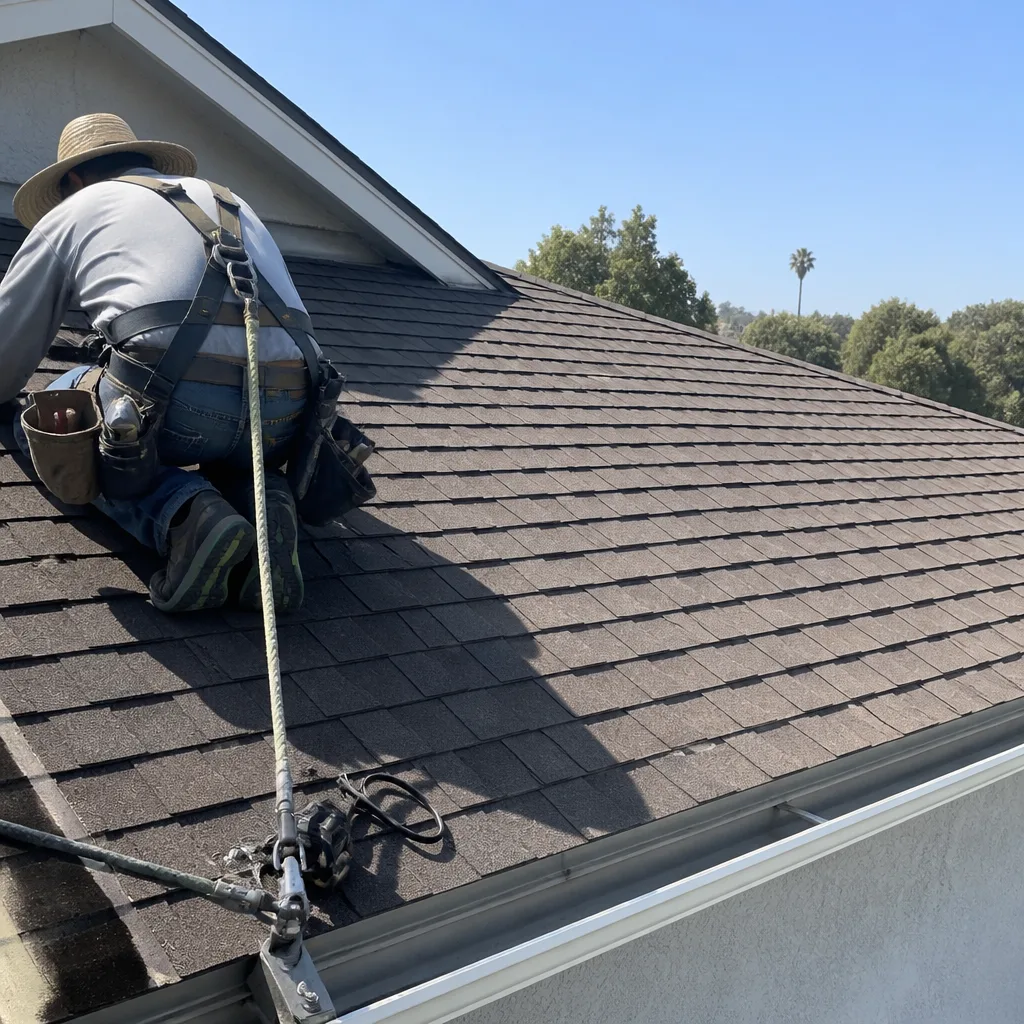
Our process at Weathervane is inspection first, repairs only when they’re warranted. That means before we talk about brands or budgets, we climb up and look. A roof inspection in Glendale tells us whether you need a full replacement, a targeted repair, or another five years out of what you have.
That’s the difference between the way we work and the way a sales-driven roofing company works. A company whose first question is “what’s your budget” is looking for the biggest job they can sell you. Our first question is “what does the roof actually need” and the answer might be a roof repair in Glendale that costs less than $1,000. We’ll give you that straight answer.
Common Mistakes to Avoid
When to Call a Professional
If you’ve noticed granule accumulation in your Glendale gutters, daylight visible through your attic deck, or damp spots on ceilings after winter rains, stop researching brands and get an objective assessment of what the roof actually needs. The same goes for visible sagging, rusted flashing around chimneys and vents, or shingles that have started to curl at the edges. These are signs of specific failure mechanisms, not brand preferences, and they require a trained eye to diagnose correctly.
If you’re planning a full replacement on a Glendale home in a fire zone or on an older deck, professional input is not optional. The code requirements are specific, the weight constraints are real, and the cost of getting either wrong is a second roof job far sooner than you planned for. Weathervane Roof Repair offers free estimates in Glendale – call (877) 755-4274.
Frequently Asked Questions
The best brand for a Glendale home is the one that meets your specific fire zone, wind exposure, deck weight capacity, and budget requirements. In our experience across Glendale, CertainTeed Landmark is the most versatile for older homes, Owens Corning Duration works well on modern builds, IKO Dynasty is the best budget-conscious choice, and Atlas StormMaster Slate suits newer homes that can handle heavier profiles. A roof inspection is the only way to determine which one fits your situation. Call (877) 755-4274 to schedule yours; estimates are free.
Yes, in most Glendale neighborhoods, especially hillside areas within Very High Fire Hazard Severity Zones, a Class A roof assembly is required by building code. The key word is “assembly”: the shingles, underlayment, and deck must pass together, not just the shingle layer. Always confirm your roofer is quoting the full Class A assembly, not just Class A shingles.
Most Glendale roof replacements run between $14,000 and $30,000 depending on roof size, shingle selection, deck condition, ventilation work, and fire-zone underlayment requirements. The brand you choose accounts for roughly 15 to 20 percent of that total. Choosing a mid-tier brand that meets code requirements, like IKO Dynasty or CertainTeed Landmark, can save $4,000 to $8,000 compared to premium designer lines without sacrificing fire or wind compliance.
It can, yes. Many 1920s through 1940s Spanish and Craftsman homes in Glendale were built with deck framing designed for lightweight three-tab shingles. Installing a heavy architectural or designer shingle can exceed the structural capacity of that deck, potentially causing sagging, nail pull-through, and premature failure. Always have the deck assessed before committing to a heavier product.
Mid-tier architectural shingles from the major brands typically last 18 to 25 years in Glendale’s climate, assuming correct installation and adequate attic ventilation. Premium designer lines can push toward 25 to 30 years on well-ventilated homes. The two factors that shorten that lifespan most in Glendale are under-ventilated attics and installation shortcuts, not shingle defects.
That depends on the condition of the existing system, which is why an honest inspection comes first. If the deck is sound, the shingles have granule life remaining, and the issues are localized, a repair is often the right and much cheaper answer. If the deck shows rot, the shingles are failing across multiple slopes, or the underlayment has reached the end of its life, replacement is justified. Roof repairs in Glendale start with the same diagnostic process as replacements; call (877) 755-4274 for an exact quote, and we’ll tell you which path makes sense.
The Bottom Line
Glendale roofs fail for specific, predictable reasons: thermal cycling from intense sun, wind from canyon-corridor Santa Anas, fire exposure in the hillside zones, and weight loads on decks that predate modern shingle products. The right roofing brand is the one engineered to handle the specific combination of those forces on your specific house. That’s a technical fit decision, not a brand loyalty decision. Start with a proper inspection, establish the fire and wind requirements for your address, confirm your deck can handle the product, and choose the brand that meets every requirement without charging premium prices for features your roof will never use.
That’s the honest way to buy a roof in Glendale, and it’s the way we work at Weathervane Roof Repair. Seven leading brands, one honest recommendation. Call (877) 755-4274 to schedule your free estimate and find out exactly what your roof needs, and what it doesn’t.
Written by the team at Weathervane Roof Repair, serving Glendale since 2014.
See the difference
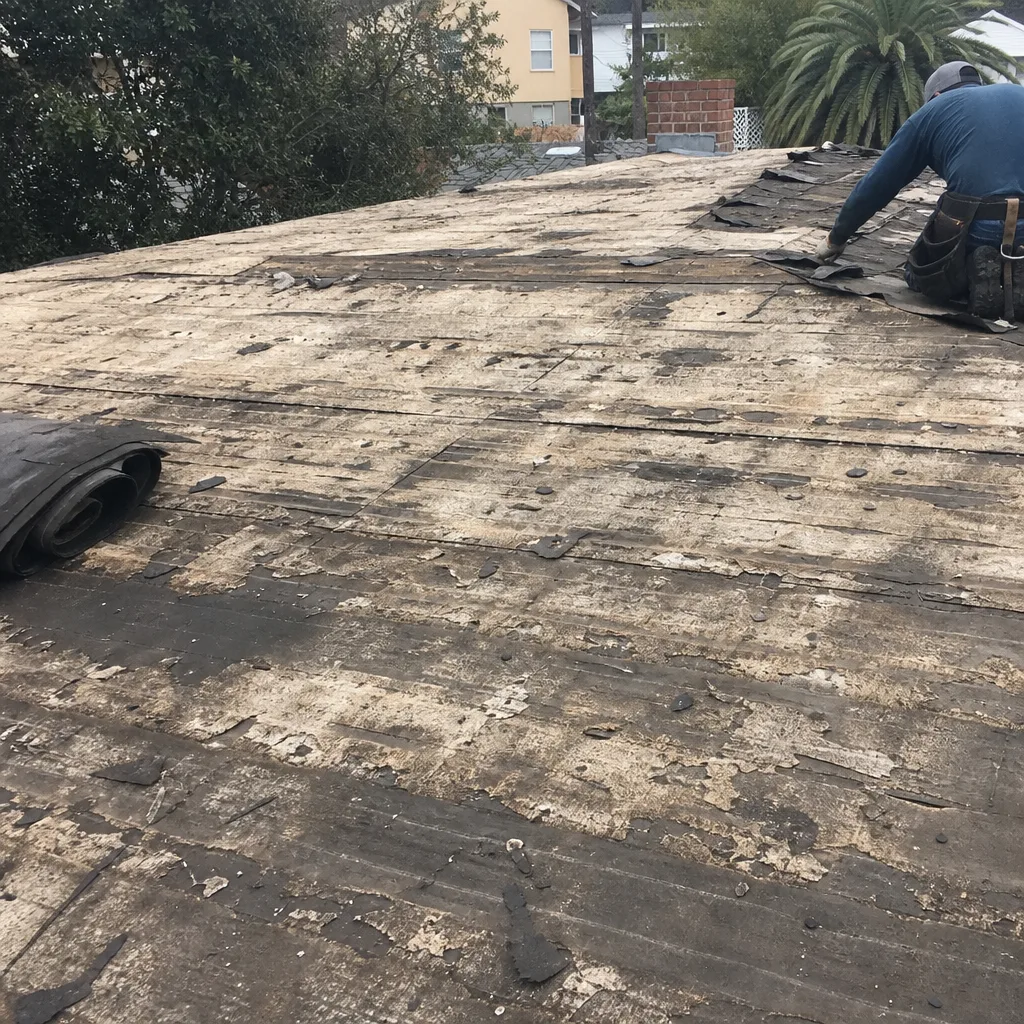 Before
 After
 Before
 After
 Before
 After