Last updated October 30, 2026
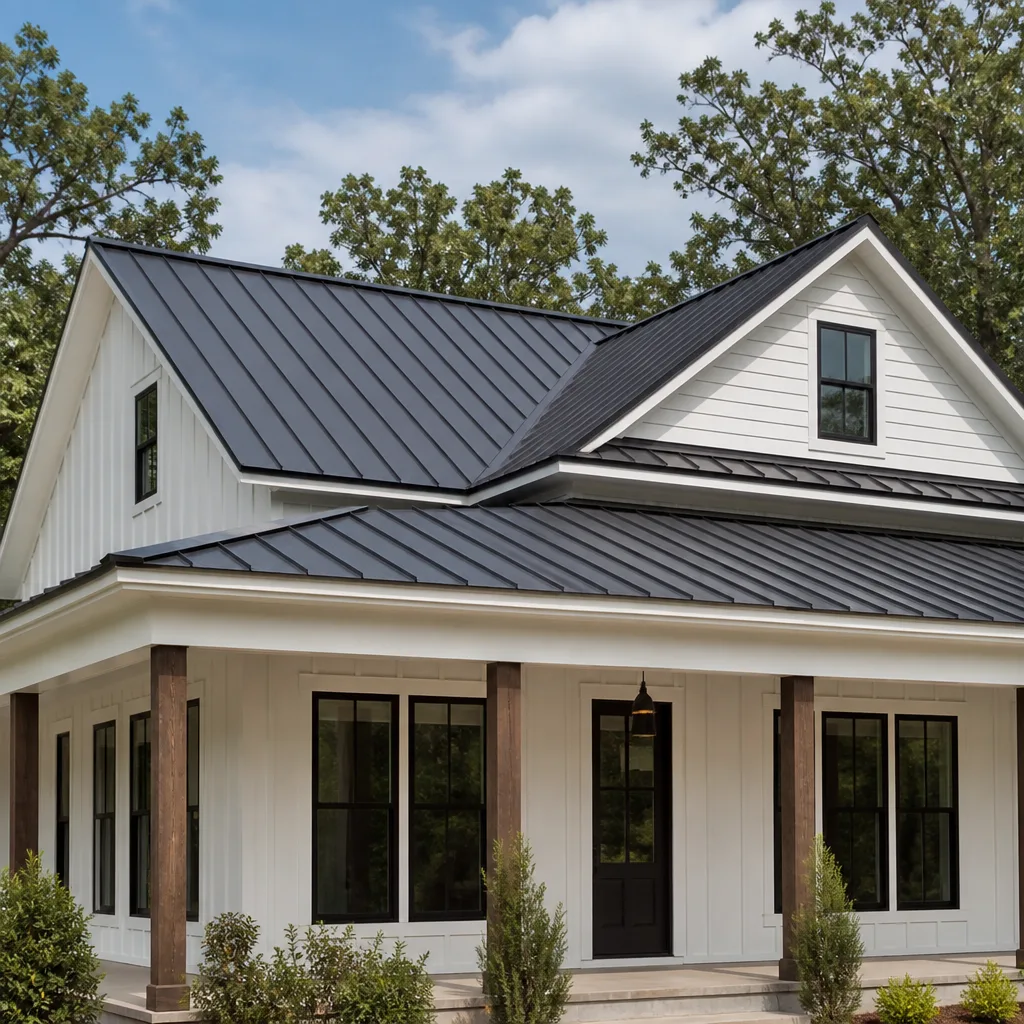 Metal roofing
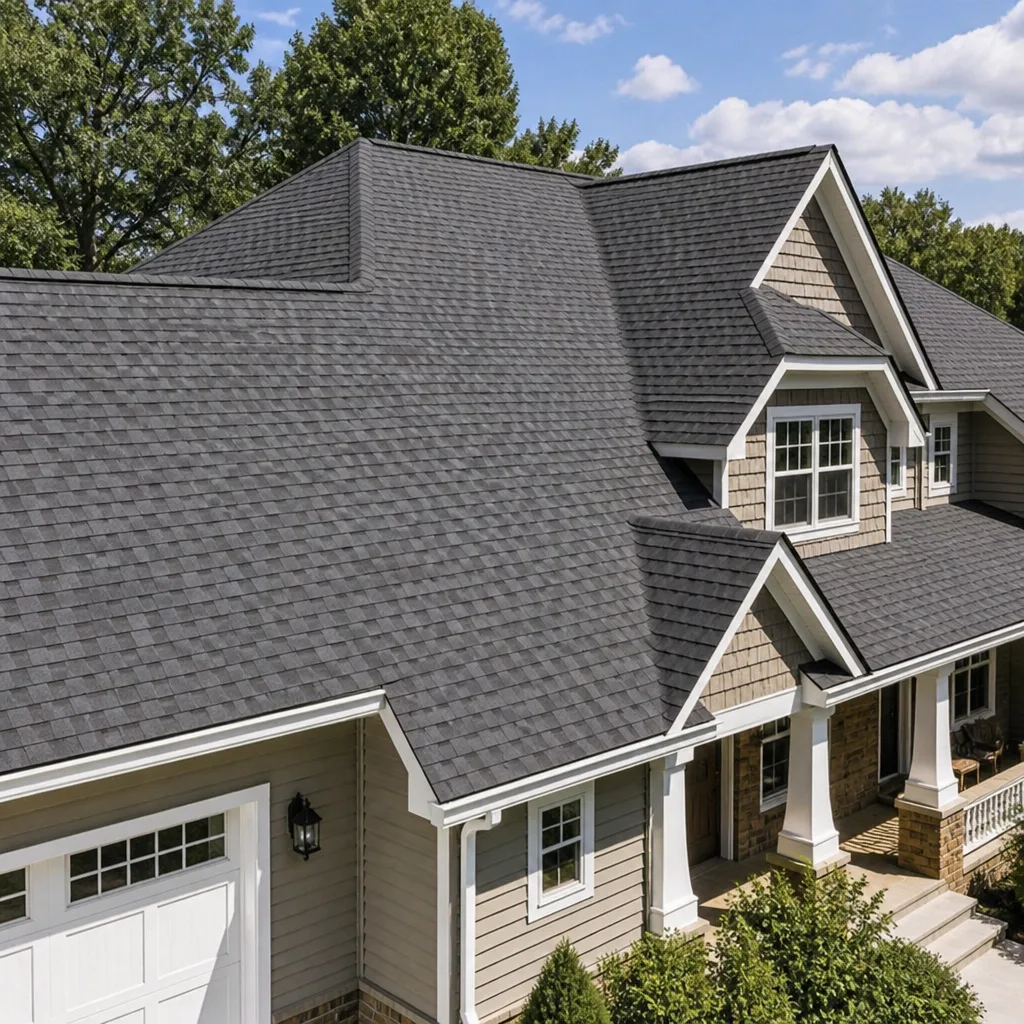
 Architectural shingles
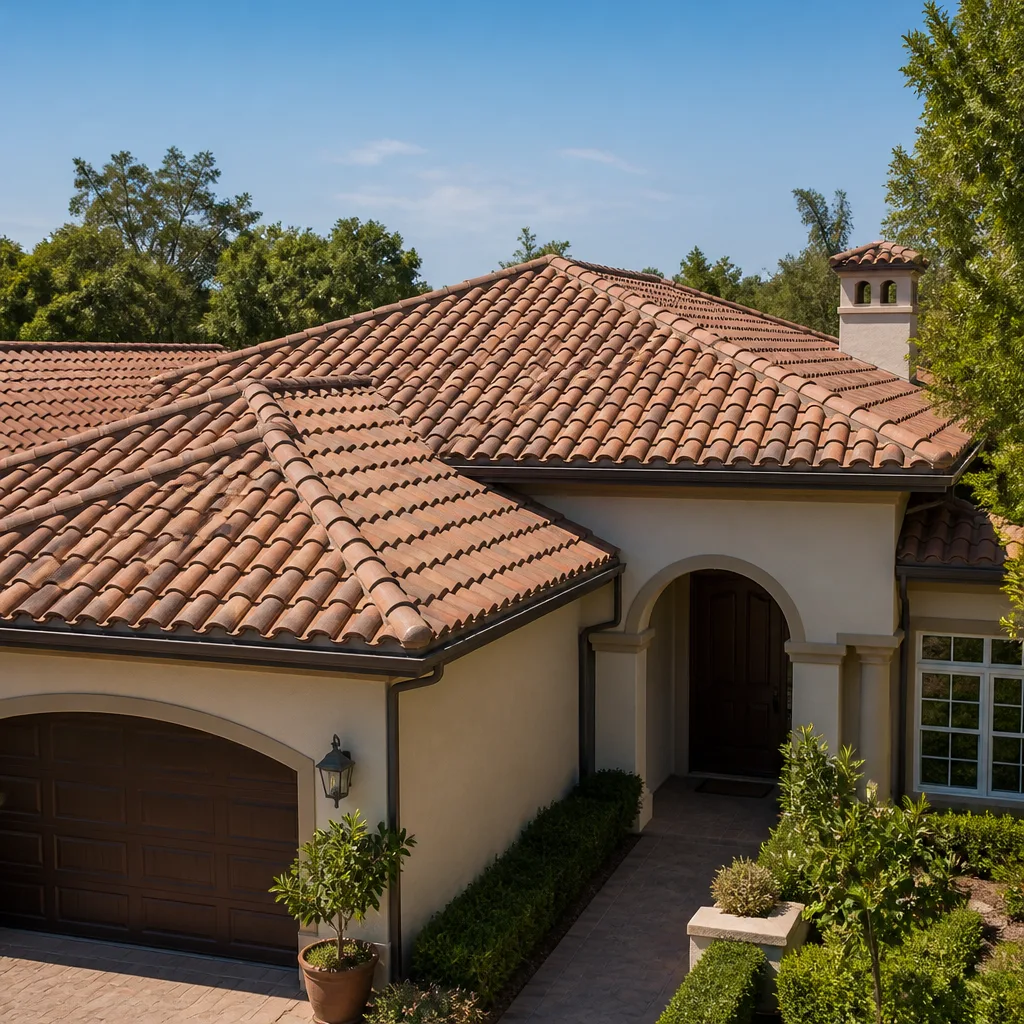 Tile roofing
 GAF
 Owens Corning
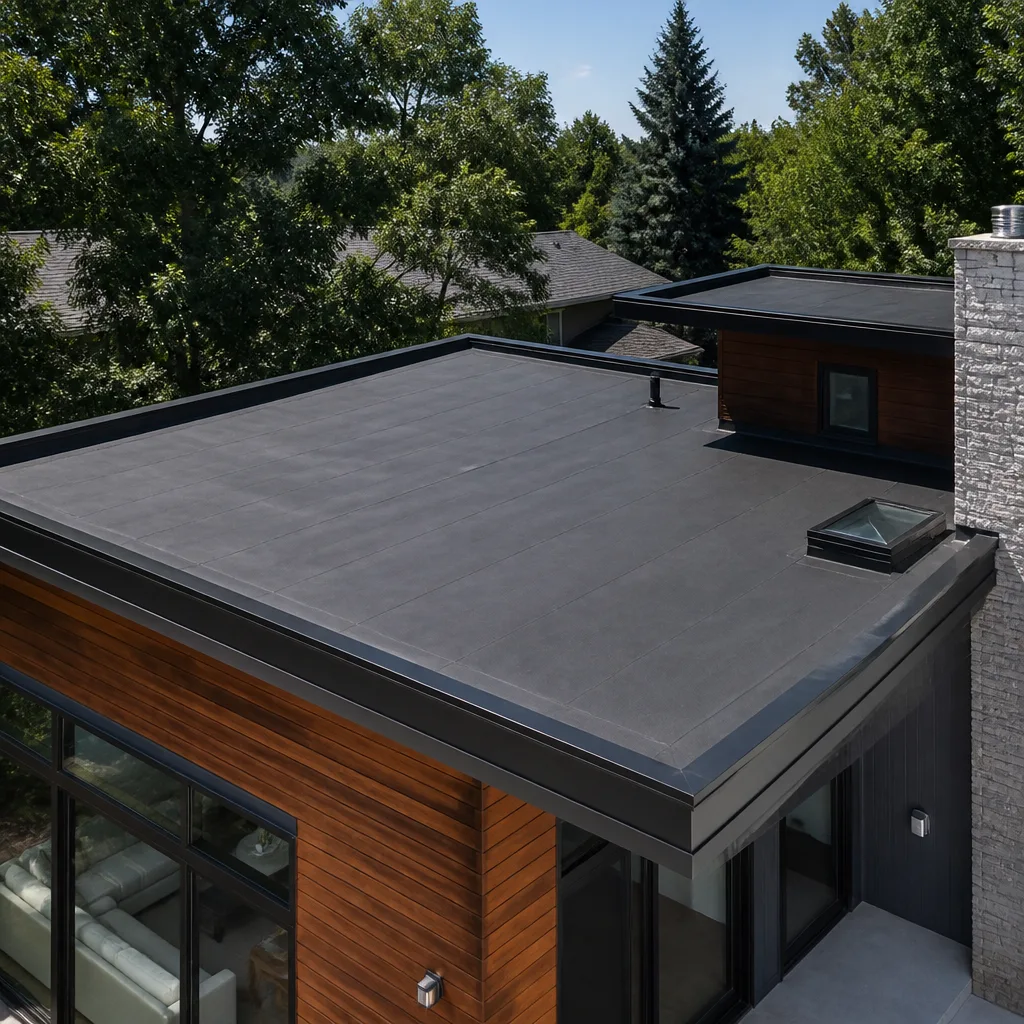 Flat & low-slope
Free roof inspection with deck photos before we talk money - GAF and Owens Corning certified installation
Seasonal Roofing Care for Glendale: Year-Round Homeowner’s Guide
In a typical year, Glendale receives over 60% of its annual rainfall in a 10-week window between late December and early March. That’s not a gradual soaking. It’s a concentrated stress test. Every roof vulnerability exposed by October’s Santa Ana winds, every hairline crack in the flashing, every dried-out sealant bead gets hit with sustained moisture in that window. This guide maps Glendale’s real roofing calendar, not the generic four-season advice written for Minnesota or New England, so you can catch 80% of problems before they become leaks. For a deeper dive, see The Complete Guide to Roofing in Glendale.
Quick Answer
Glendale doesn’t have four roofing seasons. It has two critical windows, October pre-wind hardening and December pre-rain assessment, and two maintenance windows, the May-to-September dry season and April-to-May post-rain inspection. Homeowners who calendar roof care around these four periods catch most vulnerabilities while they’re still $300 repairs instead of $8,000 replacements.
Styles & brands we work with
Table of Contents
- October: The Santa Ana Wind Season (Critical Window #1)
- December: Pre-Rain Vulnerability Assessment (Critical Window #2)
- May – September: The Long Dry Season (Maintenance Window #1)
- April – May: Post-Rain Inspection (Maintenance Window #2)
- What to Check From the Ground vs. What Needs a Professional
- How to Time Professional Inspections for Maximum Diagnostic Value
- Common Mistakes to Avoid
- When to Call a Professional
- Frequently Asked Questions
October: The Santa Ana Wind Season (Critical Window #1)
The Santa Anas arrive in Glendale like clockwork, usually starting in October and running through early winter. These offshore winds routinely hit 40 to 60 miles per hour, with gusts in the Verdugo foothills and canyon mouths exceeding 70. For a roof, it’s not just the sustained force. It’s the cycling. Wind loads spike and drop repeatedly over several days, which works fasteners loose, peels back shingle edges, and turns any weakened flashing into a failure point. In neighborhoods like Rossmoyne, Sparr Heights, and Adams Hill, homes built in the 1940s through 1960s often have original flashing details that were never designed for modern wind uplift standards.
The tasks that matter most in October:
- Check for loose hip and ridge cap shingles. These sit at the highest wind exposure points. If you can see lifted edges from the ground with binoculars, they need re-sealing or replacement before the first Santa Ana event.
- Inspect flashing at chimneys, skylights, and plumbing vents. Wind-driven debris scrapes against exposed metal and loosens seals. Even a quarter-inch gap in chimney flashing becomes a water entry point during January rains.
- Clear gutters and downspouts. October winds fill gutters with leaf litter from Glendale’s mature canopy, especially in the Glenwood and El Miradero areas where deodar cedars and sycamores dominate. A clogged gutter on a windy, rainy day forces water back under the eave edge.
- Trim overhanging branches. A 40-mile-per-hour gust turns a branch into a battering ram against shingles. Limbs that scrape the roof in calm weather will hammer it in wind.
- Walk the perimeter and look for debris accumulation. After the first Santa Ana event, do a ground-level check. Palms, bottlebrush branches, and terracotta tiles from neighboring properties end up on roofs and in valleys, blocking drainage before the rains even start.
The big mistake we see after wind events is homeowners waiting until they can see visible shingle loss from the street. That’s the failure you detect. The real work in October is finding the failures that haven’t happened yet, the lifted tab that hasn’t torn, the flashing that’s loose but still attached. That’s the difference between a $450 repair and a ceiling stain in February. Our Roof Inspection in Glendale service is designed around this precise window, because diagnosis before stress is cheaper than diagnosis after.
December: Pre-Rain Vulnerability Assessment (Critical Window #2)
By December, the Santa Anas have done their work. Every loose shingle has been lifted repeatedly. Every dry sealant bead has been flexed. Now the question is simple: what’s going to leak when the rain starts? This is the window to address vulnerabilities, not to hope they hold. In our experience, the most expensive Glendale roof failures are ones the homeowner suspected in October but deferred into January. Our Complete Roof Repair Guide for Glendale Homeowners covers what to look for during this critical window.
Three specific December tasks:
- Check roof valleys for debris and wear. Valleys concentrate water flow during rain. If shingle granules in the valley are worn down to the fiberglass mat, the concentrated January runoff will find the gap. In the hillside neighborhoods around Brand Park and Whiting Woods, steep roof pitches accelerate valley wear. This is a 15-minute ground-level check with binoculars.
- Inspect attic penetrations from inside, if accessible. With a flashlight, look at the underside of roof decking around plumbing vents, chimney framing, and bathroom fan exits. Active water staining, dark streaking, or visible daylight through gaps tells you exactly where January rain will enter. This is the single highest-value diagnostic task a homeowner can do in December.
- Re-seal or replace failed sealant at pipe boots and vents. Southern California’s intense UV breaks down neoprene pipe boots faster than most manufacturers’ lifespan claims suggest. A cracked pipe boot that’s still flexible in December will be a leak by February. Flexible roof cement and replacement boots are appropriate December fixes when applied correctly.
Glendale’s rain arrives with a specific pattern that changes what matters. Unlike the Gulf Coast, where rain falls warm and horizontal for days, Glendale gets short, intense periods of rain interrupted by dry spells. Roof systems here cycle through wet and dry rapidly. A membrane or flashing that seals when wet but gaps when dry will leak on the third or fourth rain event of the season, not the first. So a December inspection that shows no obvious damage is not a guarantee. It’s a baseline. That’s also why post-rain diagnostics in April are so important, which we’ll cover below.
May – September: The Long Dry Season (Maintenance Window #1)
Everyone talks about what rain and wind do to a Glendale roof. Almost no one talks about what sunshine does. But here’s the truth: the dry season causes more silent, progressive damage than any single storm. Between May and September, Glendale sees 150-plus days of direct sun, with rooftop surface temperatures routinely exceeding 140 degrees. The roof doesn’t rest during this period. It bakes.
Three specific dry-season failure mechanisms:
- UV degradation of sealants. Every sealant bead, every caulk joint, every exposed adhesive on your roof is slowly breaking down under UV exposure. Silicone and polyurethane hold up better than roof cement, but none of them are permanent. By August, sealants applied three or four years ago are reaching end of life. The failure is usually invisible, a hairline crack that opens only under thermal stress, then closes when the material cools. The first you know of it is usually a stain on the ceiling in March.
- Thermal cycling fatigue on flashing. Sheet metal flashing expands when hot, contracts when cool. Glendale’s 30-degree daily swings from August highs to overnight lows, combined with the long hot season, create more thermal cycles than most North American climates. Over years, this cycling fatigues soldered joints, loosens fasteners, and causes metal to pull away from masonry. The Verdugo-facing slopes get the worst of it because they absorb afternoon heat directly.
- Dried-out caulk that fails silently. Acrylic and latex caulk used around vent pipes, chimney caps, and skylight frames hardens and shrinks. Eventually it separates from the substrate. There’s no leak to see because it hasn’t rained. There’s just a gap waiting for December.
The dry season is the least urgent period, which means it’s the period most homeowners ignore. That’s a mistake. Dry-season maintenance, re-sealing, re-caulking, replacing deteriorated pipe boots, is the lowest-cost, lowest-stress roofing work of the year. Materials are in stock, contractors have scheduling flexibility, and you’re not competing with every homeowner in the city who just discovered a leak during a storm. If you’re going to do any preventive work, do it between May and September. The Roof Repair in Glendale work we do in summer is almost always less extensive than the repairs we do in January, because the problem hasn’t had a chance to worsen through a wet season.
April – May: Post-Rain Inspection (Maintenance Window #2)
Most Glendale homeowners skip this entirely. Once the rains stop, the roof stops being a concern. That’s exactly backwards. The weeks after the rain season ends, roughly April through May, are when the system reveals exactly where it failed. Water intrusion staining in the attic, dark streaking on roof decking, mineral deposits on framing members, these show up after the rains have done their work. The evidence sits there waiting for you to look at it, then fades or fills with dust over the dry summer.
What to check in April and May:
- The attic first, before the roof. Go up with a flashlight on a sunny day. Look for dark stains on the underside of roof decking, especially around penetrations. Look for water marks on insulation. Look for daylight through the decking around vents and chimneys. The attic tells the truth about what happened during the winter. The exterior only tells you what’s visible, and by April, a failed sealant joint that leaked in February may look perfectly fine from the outside.
- Follow the stains. If you see evidence of water intrusion in the attic, mark the location from inside, then look at the corresponding exterior area. A stain near the chimney points to flashing failure. A stain near the eaves points to gutter overflow or ice damming, rare in Glendale but possible in the upper elevations. A stain in a valley points to worn shingles or debris blockage.
- Check the gutters again. Months of rain plus wind debris means gutters that were clear in October are usually clogged by April. One heavy rain can fill them with shingle granules. Those granules tell you something useful, an unusually heavy concentration in one area indicates accelerated shingle wear there.
- Document everything. Take photos, even if you’re not sure something is a problem. The photos become a baseline for next year’s comparison. Roof problems don’t emerge as sudden failures. They emerge as slow deterioration. A photo from April 2026 showing a small stain that didn’t exist in April 2025 is the earliest possible warning signal.
This post-rain window is also when we recommend a professional assessment if you didn’t get one in the fall. The Roof Inspection in Glendale service we offer is most diagnostically valuable right after the rainy season because the system has just been through the test. We can see where water went, not just where it might go.
What to Check From the Ground vs. What Needs a Professional
Glendale’s roof pitches vary dramatically. Homes in the flats, around Adams Square, Pacific-Edison, and Citrus Grove, tend to have lower slopes, 4/12 or less, which makes walking relatively straightforward for trained roofers. Homes in the Verdugo hillsides, around Whiting Woods, Brand Park, and the San Rafael foothills, often have 8/12 or steeper pitches with multi-story drops. On those, even professionals think twice.
Here’s an honest breakdown of what a homeowner can safely assess from the ground and what should be left to a professional:
Safe to Do From the Ground (or Attic)
- Binocular inspection of ridge caps, hips, valleys, and flashing details
- Gutter and downspout checks from a secure ladder
- Photographing the roof from multiple angles for baseline documentation
- Attic inspection of decking, insulation, and penetrations from inside the house
- Walking the perimeter after wind events to look for debris and fallen granules
Requires a Professional Roofer
- Any work on a roof pitch steeper than 6/12
- Walking the roof surface, especially on two-story homes
- Removal and re-setting of ridge caps or hip shingles
- Flashing repair or replacement at chimneys, skylights, or walls
- Any repair that requires a ladder set against the roofline, on roofs where the eave is more than 12 feet above grade
- Everything involving underlayment or decking inspection
We’re a roof-only specialist, and we say this from years of experience: the most valuable homeowner inspection skill is knowing what you can see from the ground. The second most valuable skill is knowing when to stop and call someone. If you’re not sure, call. We don’t charge to tell you your roof is fine.
How to Time Professional Inspections for Maximum Diagnostic Value
Here’s the scheduling framework that works for Glendale specifically. Miss the timing and you’ll pay more for less information.
Best time for a professional roof inspection: October or November. This gets you a pre-wind, pre-rain baseline. We can see loose shingles before the Santa Anas rip them off, see cracked sealants before rain finds them. The Roof Inspection in Glendale service is most actionable in October and November. A problem identified in these months is addressed on your schedule, not during a January rain emergency.
Second-best time: April or May. Post-rain diagnostics. The inspection finds water intrusion evidence that appeared during the wet season and identifies what needs attention before the next one. Combined with the fall inspection, you get a complete annual picture. If you can only afford one professional inspection per year, fall is the better choice. But if you can afford two, April through May gives you the second data point that most Glendale homeowners never get.
The worst time: December 20 through March. That’s when the roof is actively being stressed. Emergency inspections during rain events are less diagnostic because the water is moving through the system right then. You can see where the leak is, but not what caused it. And you’re competing for scheduling with every other homeowner in Glendale whose roof is leaking. You’ll get less time, less thoroughness, and more urgency-driven pricing.
Common Mistakes to Avoid
- Ignoring the attic until there’s a stain on the ceiling. By the time water shows up on your ceiling, it’s been in your attic for days or weeks. Insulation is wet, decking is starting to swell. The ceiling stain is the last symptom, not the first. Checking the attic after every major rain event catches problems at the earliest stage.
- Assuming the dry season means no roof problems. Nothing about May through September is inactive. UV breakdown, thermal cycling, and silent sealant failure all happen during the hot months. The roof isn’t resting. It’s deteriorating, just without the visible drama of a storm.
- Putting off October fixes because no rain is forecast. The Santa Ana winds will arrive before the rain does. Every October deferral becomes a January emergency. We see this every year.
- Walking a steep roof without proper training and equipment. Fall fatalities from roofs happen every year in Southern California. On larger Glendale hillside homes, a fall from a roof can be 20 to 25 feet onto a slope. No DIY inspection is worth the risk.
- Clearing gutters in December and calling it done. Gutter clearance is necessary, but it’s not a roof inspection. Gutters tell you nothing about flashing condition, sealant breakdown, or valley wear. Clearing them once in December doesn’t prevent a February leak.
- Assuming a newer roof doesn’t need attention. New roofs fail, too. Installation defects show up as leaks within the first two years. If your roof is less than three years old and you haven’t had the attic inspected after the wet season, you’re flying blind.
- Relying on a general handyman for roof-specific work. Roofing is a licensed trade for a reason. Handyman repairs often use incompatible materials, create additional damage, and void manufacturer warranties. If you’re going to repair a roof, use a roofer.
When to Call a Professional
If you notice water staining on your ceiling or walls, active leaks during rain, visible sunlight through the roof decking, large sections of missing shingles, or any damage after a severe wind event, call a professional sooner rather than later. If you see granule loss concentrated in one valley, exposed nail heads across a slope, or flashing that’s visibly pulled away from the chimney, those are repair items now, not inspection items later. And if you are not comfortable on a ladder, don’t get on one. Weathervane Roof Repair offers free estimates in Glendale, call (877) 755-4274. We’ll tell you exactly what your roof needs, and what it doesn’t.
Frequently Asked Questions
Once a year at minimum, ideally in October or November before the Santa Ana wind season and winter rains begin. If you can budget for two inspections, add a second in April or May after the rainy season ends. That second inspection catches water intrusion evidence that only appears after the system has been stressed.
Most preventive maintenance work in Glendale, re-sealing pipe boots, repairing a few lifted shingles, addressing minor flashing issues, falls in the $300 to $600 range. Larger preventive repairs, like re-flashing a chimney or replacing a valley, typically run $800 to $1,500. The cost of deferred maintenance is a full leak repair, which in Glendale commonly starts around $1,200 and climbs from there. Call (877) 755-4274 for an exact quote, estimates are free.
You can perform a meaningful ground-level and attic inspection using binoculars and a flashlight. Many Glendale homeowners do this effectively, especially in the flats where roof slopes are gentle. What you likely cannot do safely is walk the roof surface, especially on hillside homes with steep pitches and multi-story elevations. Professional inspections exist for a reason: access and experience spotting what’s about to fail.
The best material for your roof depends on your specific exposure. South- and west-facing slopes in Glendale take the most UV and thermal stress, so a high-quality asphalt shingle with a strong granule bond, or a metal roof, holds up well there. We work with Owens Corning and IKO among others because their material specifications match Southern California conditions, but the right choice depends on your home’s pitch, exposure, and budget, not a one-size product. See Choosing the Right Roofing Brand: A Buyer’s Guide for Glendale for help weighing your options. We’ll give you the straight answer.
Wind is a mechanical stressor and rain is a water stressor. Santa Ana winds loosen fasteners, lift shingle edges, and fatigue flashing through repeated loading. Rain then exploits every gap the wind created. The two work as a pair. That’s why October pre-wind hardening and December pre-rain assessment are separate tasks, not the same task done twice.
It shouldn’t, if the initial assessment was thorough. A proper roof inspection identifies the scope before any agreement is signed. We provide written line-item quotes before any work begins, and we don’t add change orders unless the underlying decking or framing reveals damage that couldn’t be seen until the roof was opened. That should be rare and it should be discussed in advance. If you’re working with a contractor who routinely discovers surprises after starting, that’s a red flag.
The Bottom Line
Glendale’s roof care calendar has four real seasons, not the four the rest of the country talks about. October and November for wind hardening and pre-rain assessment. May through September for UV, thermal, and sealant maintenance. April through May for post-rain diagnostics. December through March for response. If you only do one thing from this guide, do this: calendar a professional roof inspection for this October, then go into your attic 48 hours after the first heavy rain of the season with a flashlight. Then explore our more guides & resources to keep your roof in top shape year-round. Those two actions will catch most roof problems at the repair stage instead of the replacement stage. That’s the whole game.
Written by the team at Weathervane Roof Repair, serving Glendale since 2014.
See the difference
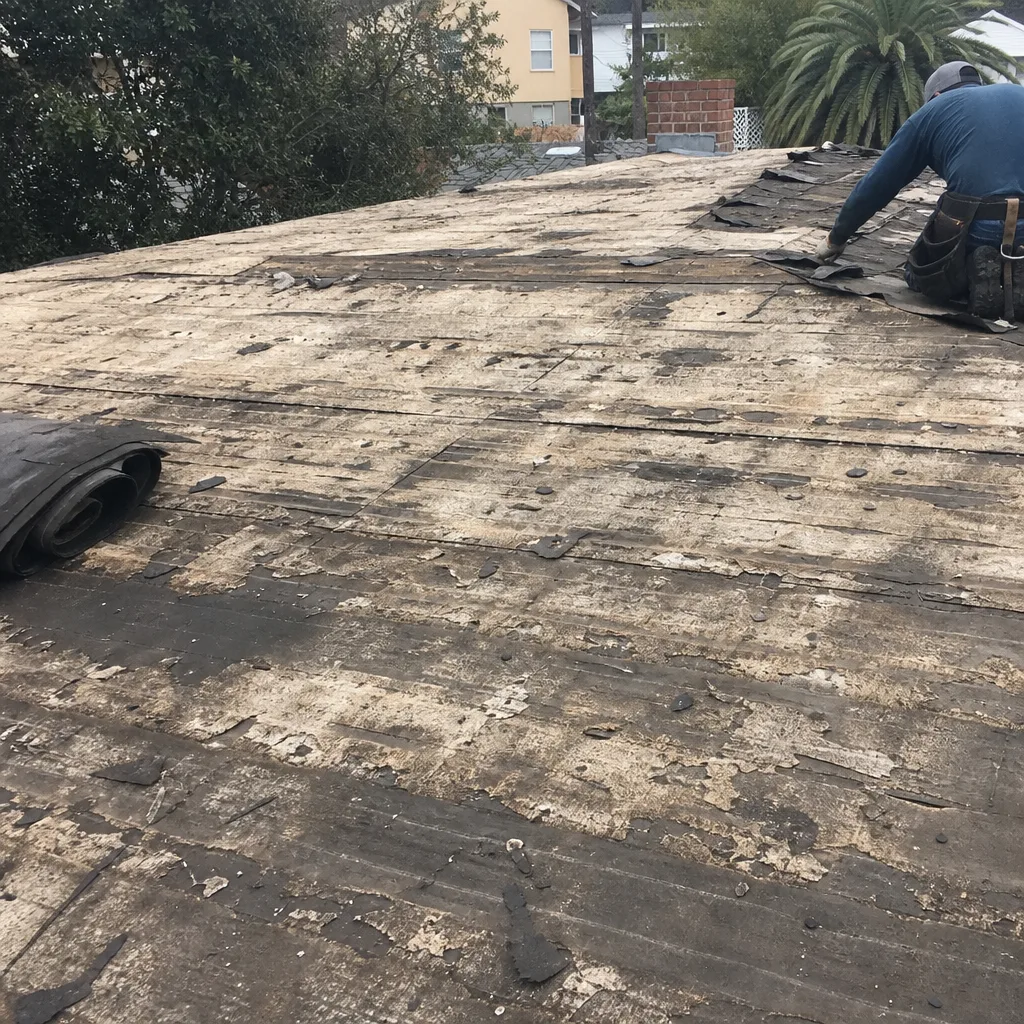 Before
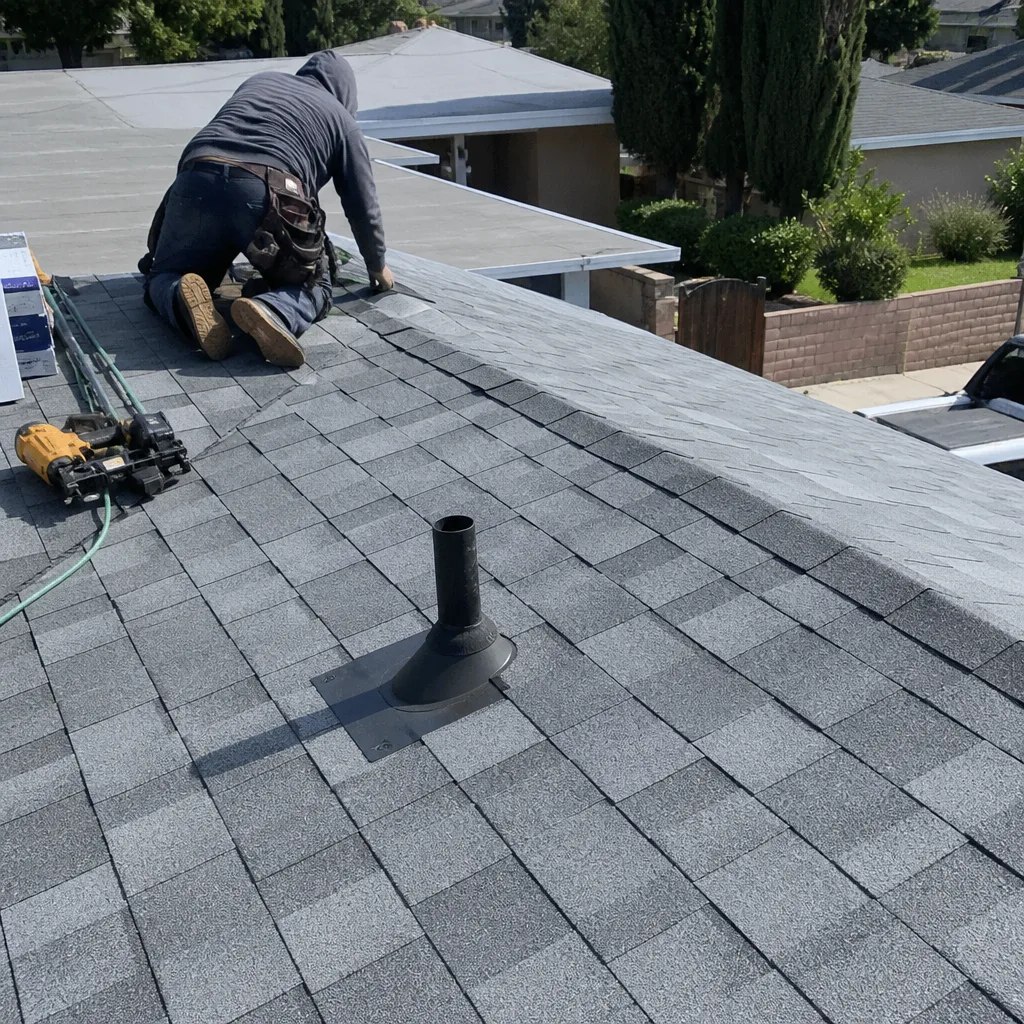 After
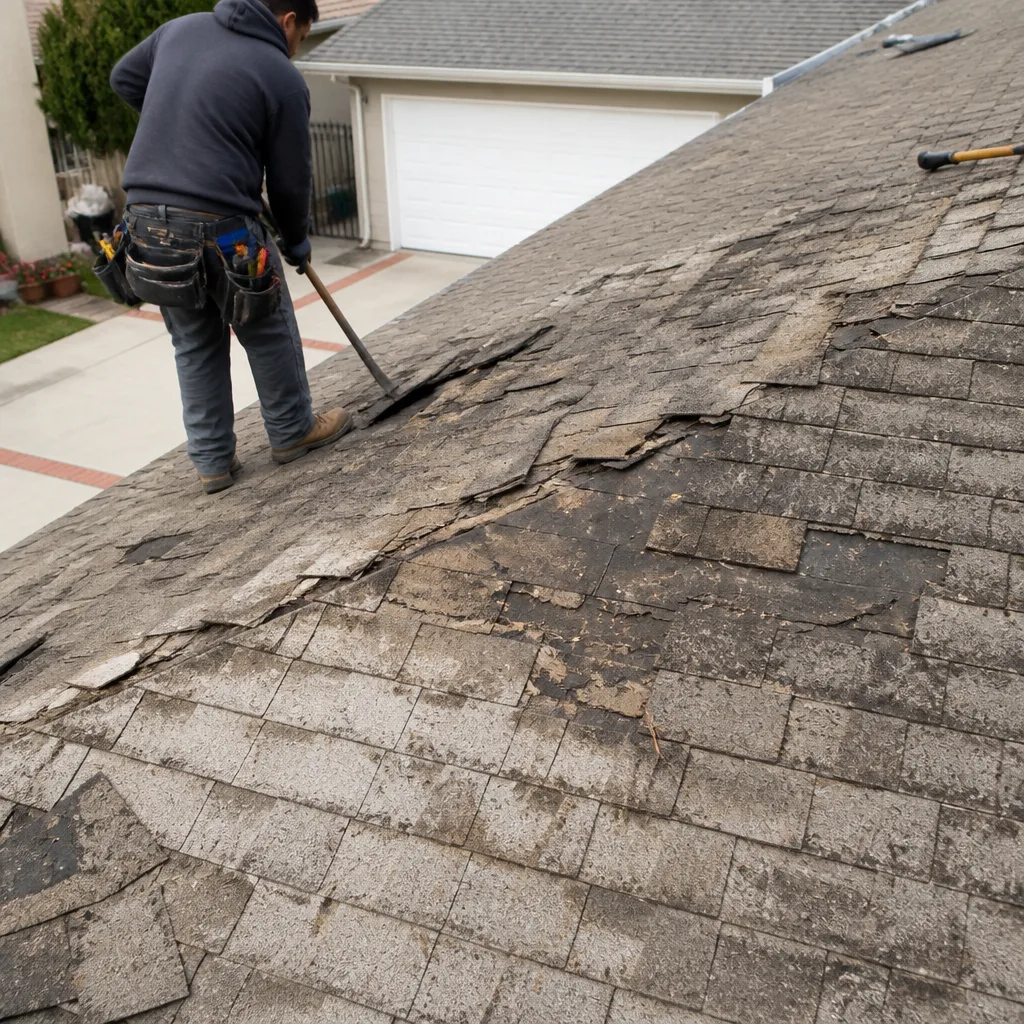 Before
 After
 Before
 After