Last updated October 30, 2026
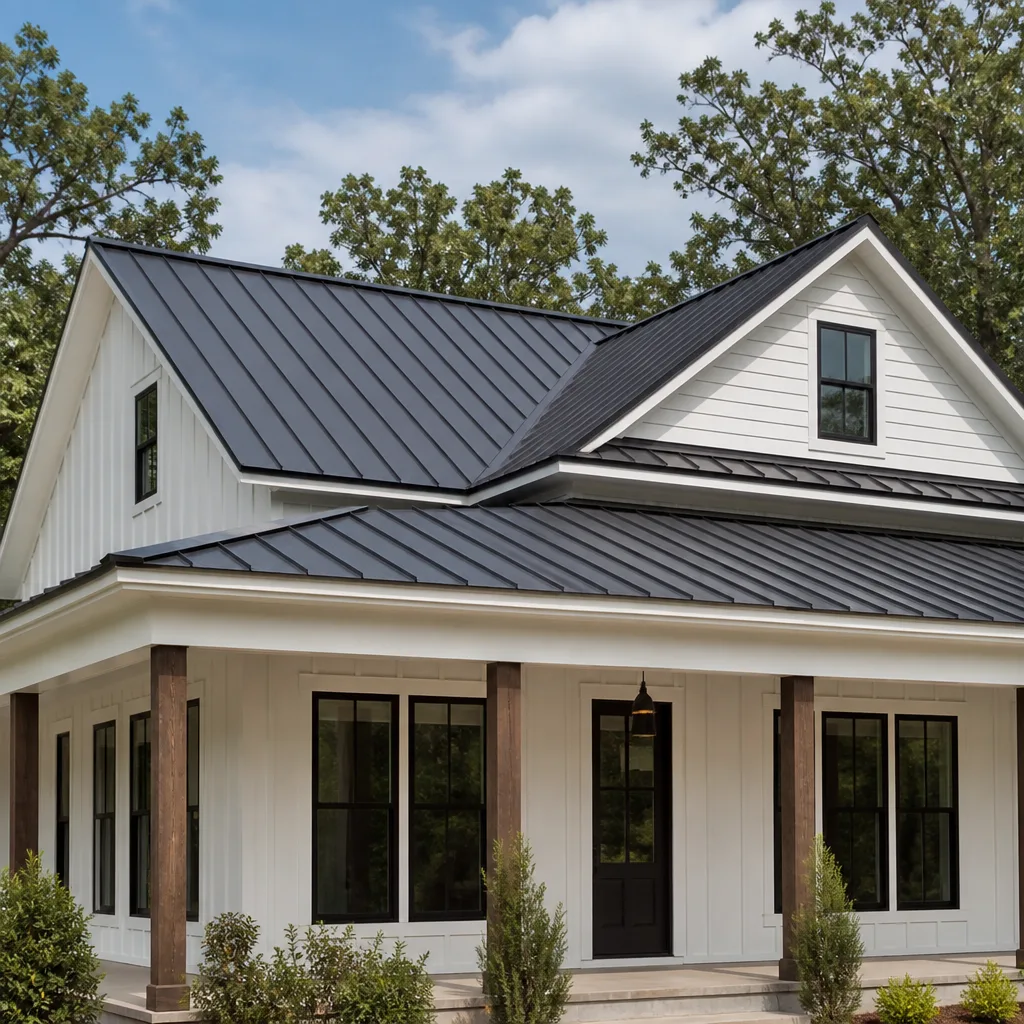 Metal roofing
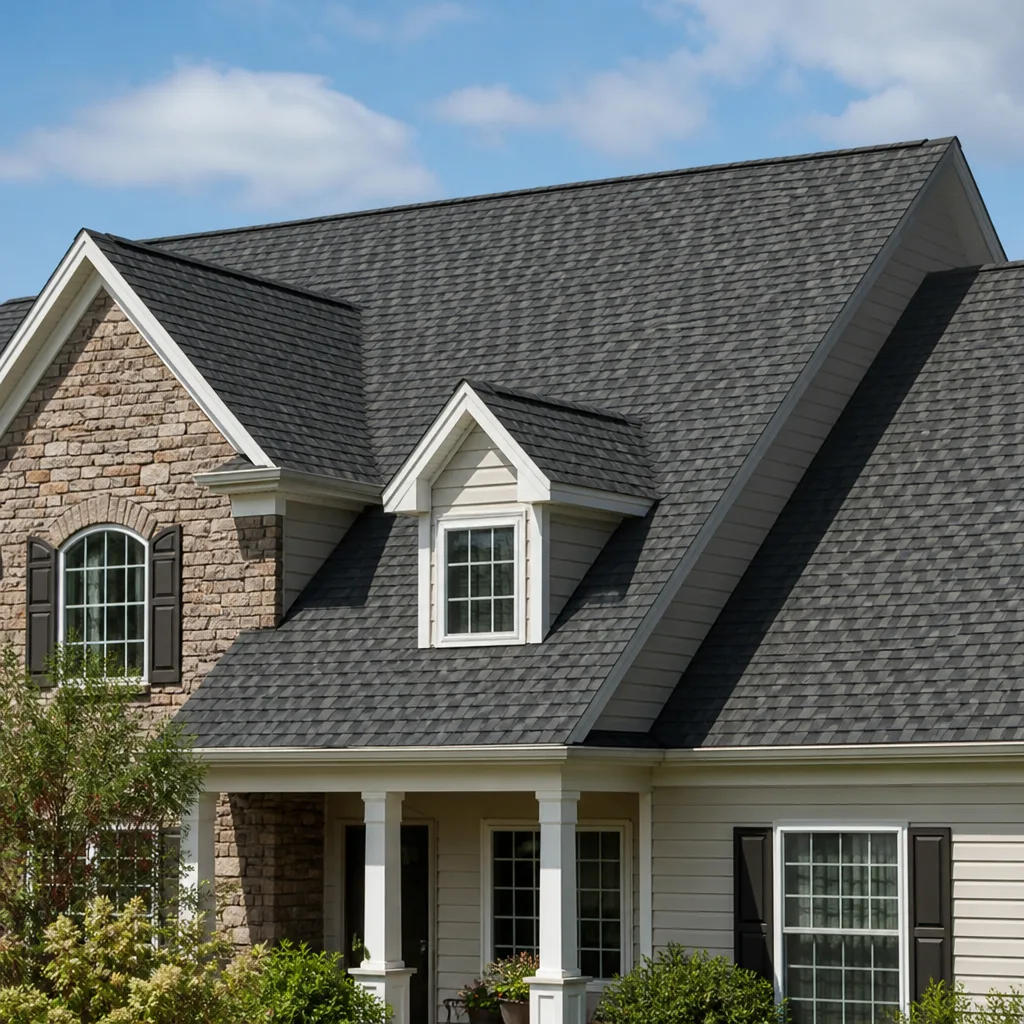 Architectural shingles
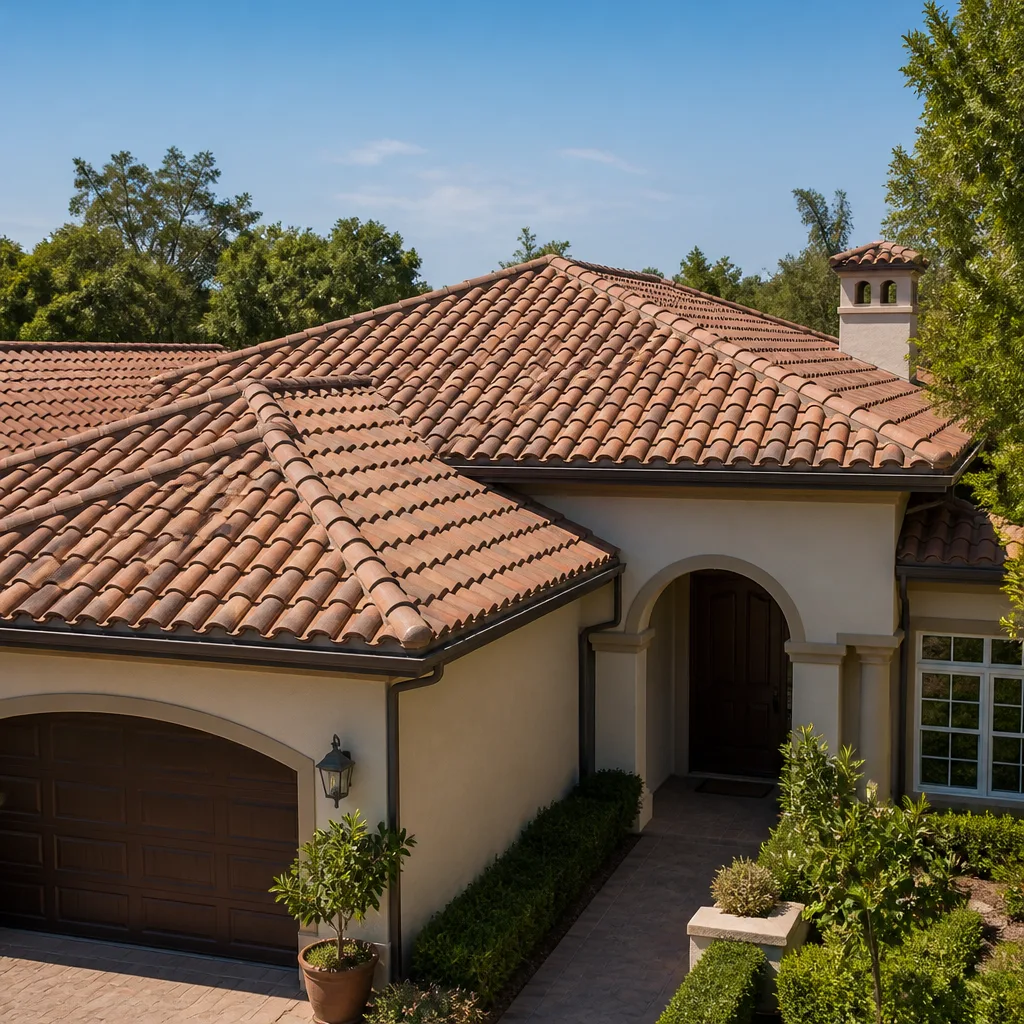 Tile roofing
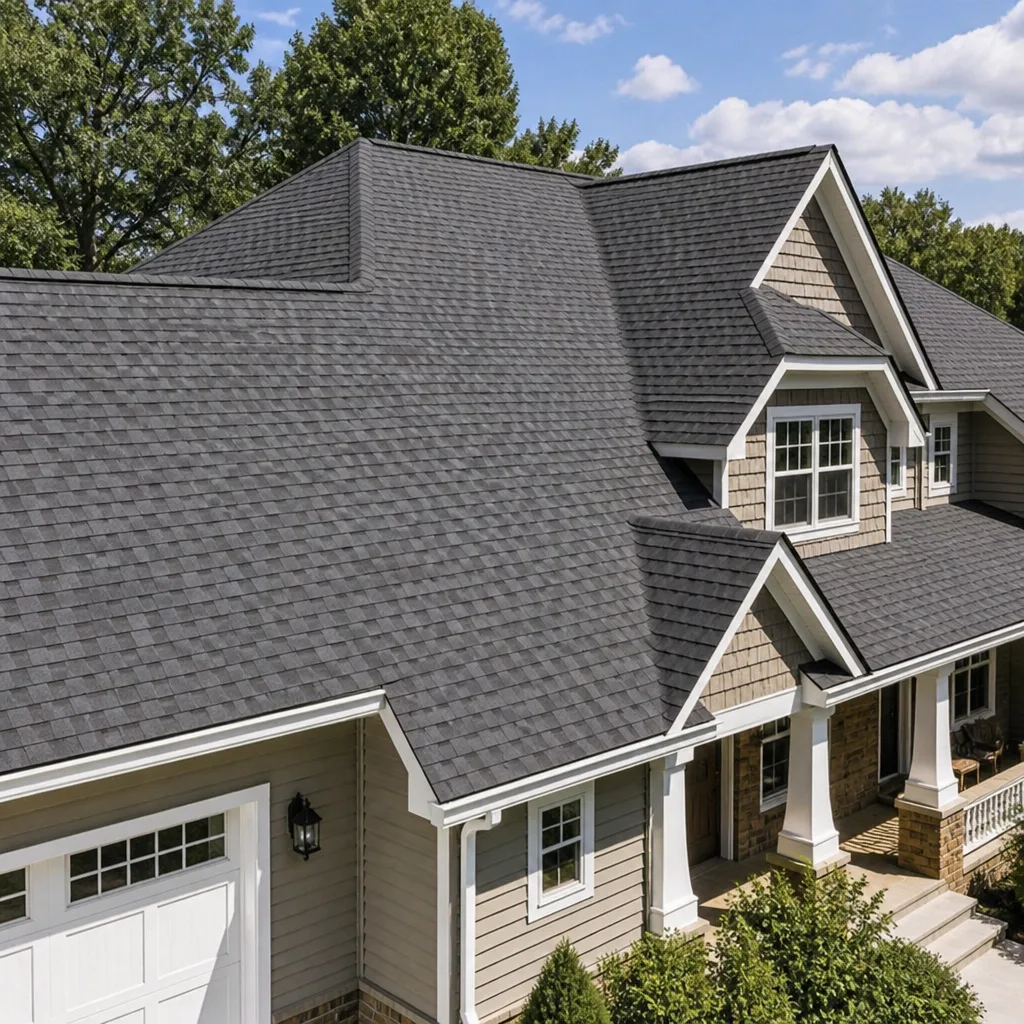 GAF
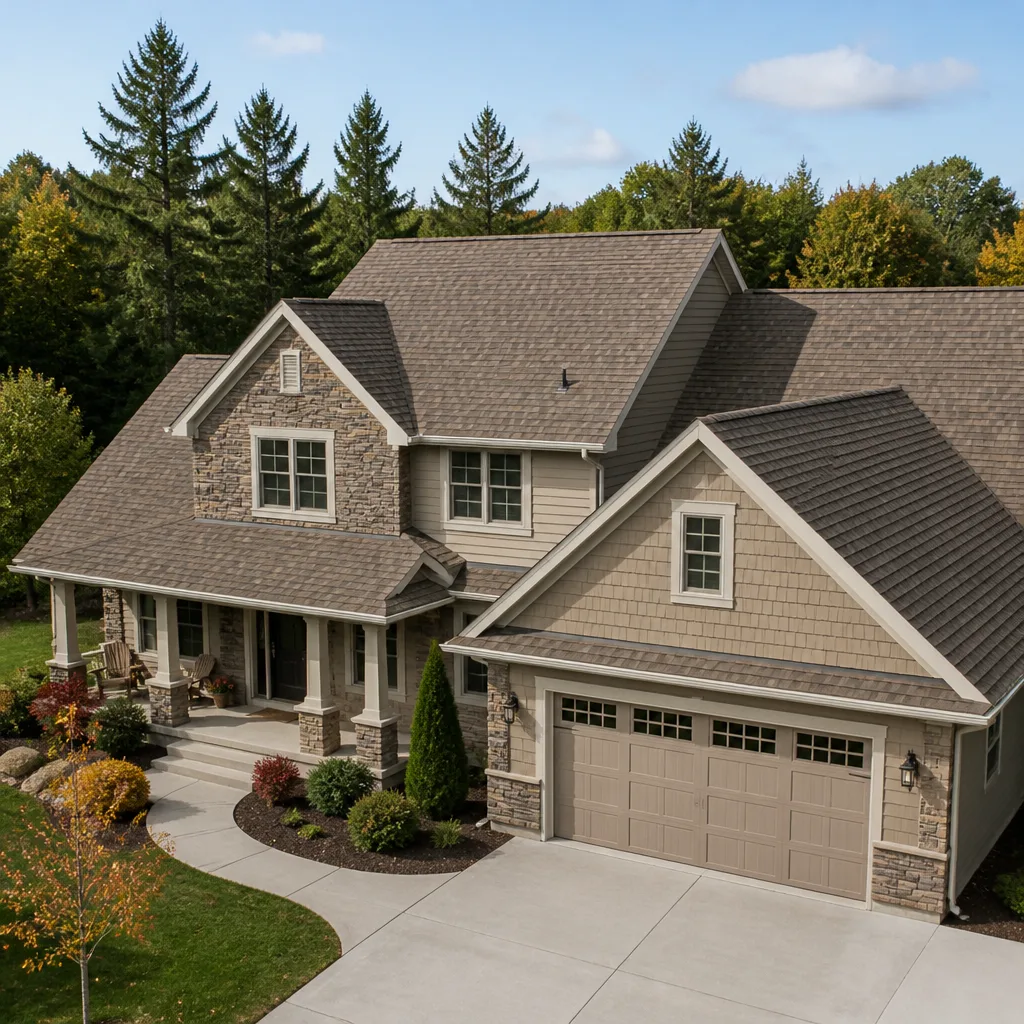 Owens Corning
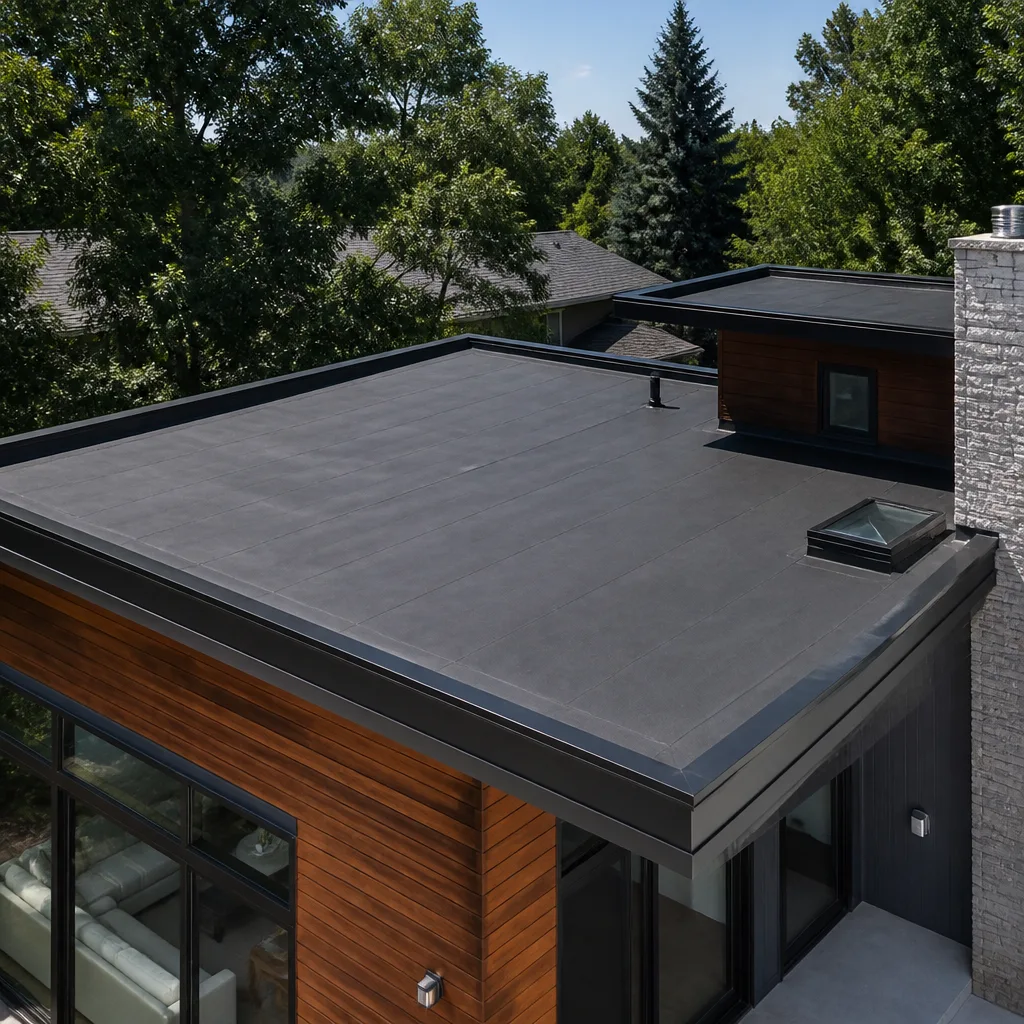 Flat & low-slope
Free roof inspection with deck photos before we talk money - GAF and Owens Corning certified installation
DIY vs Professional Roofing: The Glendale Homeowner’s Decision Guide
Here’s a fact most roofing guides won’t tell you: in Glendale, the DIY-versus-professional decision is often made for you before you ever pick up a hammer. The city sits almost entirely within a Very High Fire Hazard Severity Zone, which means your roof isn’t just keeping rain out. It’s a documented fire-defense system, and the way it’s installed, permitted, and documented has legal weight. This guide walks through the real decision points in Glendale: what California law actually allows you to do yourself, what the fire code effectively requires a contractor to handle, how insurance policies treat unpermitted work, and what a realistic cost comparison looks like when you account for everything, not just materials. By the end, you’ll know exactly which three roofing tasks are genuinely safe to DIY, which ones are legally off-limits without a license, and why the smartest first move in this city is usually a professional inspection, not a trip to the hardware store.
Quick Answer
For Glendale homeowners, DIY roofing is realistically limited to three tasks: gutter clearing, ground-level visual inspection, and attic moisture checks. Full roof repairs and replacements performed by homeowners run into two hard walls: California contractor law requires a license for any roofing work beyond minor maintenance, and Glendale’s fire-zone building code demands Class A assembly documentation that only a licensed contractor can submit for permit approval. The practical answer is that serious roofing work belongs with a professional in this city, but homeowners can absolutely handle ongoing monitoring and minor upkeep. For everything else, see our How to Hire a Roofing Contractor in Glendale: A Step-by-Step Guide.
Styles & brands we work with
Table of Contents
- The Legal Boundary: What California Law Actually Says
- Glendale’s Fire Zone: Why Full DIY Reroofs Are Effectively Off the Table
- The Three DIY-Safe Roofing Tasks in Glendale
- The Insurance Dimension: Read Your Policy Before You Climb
- The Real Cost Comparison: DIY vs Professional in Glendale
- How the Glendale Permit Process Actually Works
- Understanding Roof Systems Before You Touch Anything
- Common Mistakes to Avoid
- When to Call a Professional
- Frequently Asked Questions
The Legal Boundary: What California Law Actually Says
California Business and Professions Code Section 7026 defines roofing as a contractor classification, which means any work that involves “the installation, repair, or alteration of roofing” requires a C-39 roofing contractor license when performed for compensation. That’s the part most homeowners already know. The part they miss is what “for compensation” means in practice: if you’re doing the work yourself on your own home, you don’t need a license. But the exemption stops there.
Here’s where it gets specific. A homeowner can legally perform maintenance and minor repairs on their own property. Cleaning gutters, replacing a few shingles after a wind event, resealing a small flashing gap: these fall within the homeowner exemption. But the moment the work requires a building permit, Glendale’s municipal code adds a layer most California cities don’t have. The city’s fire-zone amendments to the California Building Code require permit applications for roof work to include material certification documentation, installation method statements, and final inspection sign-off. A homeowner cannot self-certify Class A assembly compliance. That’s not a policy choice by the city; it’s a structural requirement of the permitting system, and it’s the point where DIY roofing hits a wall that no amount of YouTube research gets around.
We see this confusion regularly at Weathervane Roof Repair home. A homeowner will spend a weekend replacing shingles on a small section, then call us months later when an insurance adjuster flags the work as non-compliant. The repair itself might have been executed competently, but without the permit paperwork and material documentation, it doesn’t exist in the eyes of the city or the carrier. In Glendale, competent work without documentation is still non-compliant work, and that distinction matters enormously.
Glendale’s Fire Zone: Why Full DIY Reroofs Are Effectively Off the Table
Glendale’s geography puts most residential roofing under the Very High Fire Hazard Severity Zone designation, a classification that triggers specific building code requirements under California Building Code Chapter 7A. The core requirement is a Class A roof assembly, which is a system-level fire rating that covers the roofing material, the underlayment, the flashing details, and the edge metal. A Class A rating isn’t something a shingle brand gets on its own. It’s a tested assembly, and the test results are documented in a specific evaluation report that gets attached to the permit application.
Here’s the practical consequence: a homeowner cannot walk into a supply yard, buy a pallet of Class A-rated shingles, and produce a valid Class A assembly certification. The certification depends on the specific combination of materials installed in a specific configuration, and the documentation lives in manufacturer evaluation reports that licensed contractors access through their supplier relationships and know how to include in permit packages. When a Glendale homeowner attempts a full reroof without this documentation, the permit gets rejected, the work gets red-tagged, or the work proceeds unpermitted and creates exactly the liability situation we describe below.
This is why the DIY-versus-professional conversation in Glendale is fundamentally different than it is in, say, a coastal city without fire-zone requirements. The decision isn’t about whether you can physically install shingles. The decision is about whether you can legally document the installation. And the answer, in this city, is that full reroofs require a licensed contractor. When a full replacement is genuinely warranted, Roof Replacement in Glendale is the service path that handles the permitting, documentation, and inspection logistics from start to finish.
The Three DIY-Safe Roofing Tasks in Glendale
None of this means homeowners should stay off their roofs entirely. It means homeowners should know which tasks are genuinely theirs to handle and which ones create liability. Here are the three roofing tasks we consider genuinely DIY-safe for Glendale homeowners, with the caveats that apply in this specific climate and code environment. For a complete breakdown of what to check, see our Roof Repair Maintenance Checklist for Glendale Homeowners.
- Gutter clearing and downspout flushing. Glendale’s dry-season debris load is heavy: eucalyptus leaves from mature street trees, ash from nearby hillsides, and fine dust that cakes into gutter sludge. Clearing gutters twice a year (late fall and early spring) and flushing downspouts with a hose is essential maintenance that any homeowner can do. The safety caveats: use a sturdy ladder with a stabilizer, never work from the roof surface itself, and if your home is two stories or the gutters require roof access, this stops being a simple DIY task. The work is genuinely important. Clogged gutters in Glendale’s brief but intense rain events are one of the most common causes of water damage we see on Roof Repair in Glendale callbacks.
- Ground-level visual inspection. You can see a lot from the ground with a pair of binoculars. Curling shingle edges, lifted tabs, missing granules collecting in gutters, sagging areas, visible flashing gaps, moss or lichen growth on shaded roof planes. In Glendale’s climate, the main things to look for are sun damage on south-facing slopes (UV degradation happens faster on those planes) and wind damage on ridge lines and edges after Santa Ana events. A monthly walk-around with binoculars takes ten minutes and catches problems before they leak. What it doesn’t do is replace a professional inspection. Ground-level views miss underlayment condition, flashing details hidden behind stucco, and the early stages of decking rot.
- Interior attic moisture checks. The inside of your roof system is the most honest diagnostic surface you have access to. In Glendale’s wet season (December through March), check your attic after any significant rain. Look for dark stains on the underside of the roof decking, moisture around penetrations like plumbing vents and chimney chases, and any daylight visible through the decking. Check insulation for dampness. These checks are safe, require no ladder work, and give you early warning signals that a roof problem is developing before it becomes a ceiling stain. We recommend doing this monthly during the rainy season and once mid-summer to check for heat-related issues.
Everything beyond these three tasks enters the gray zone where the risk calculus changes. Replacing a single shingle? Technically doable, but Glendale’s fire-zone code means any repair that alters the roof assembly’s fire rating should be done to the documented standard. And that standard is only documentable by someone with access to the manufacturer’s installation specifications and the ability to certify compliance.
The Insurance Dimension: Read Your Policy Before You Climb
Here’s the section most DIY-vs-professional guides skip entirely, and it’s the section that matters most in Glendale. Homeowner’s insurance policies in California fire-risk zones increasingly include language that conditions coverage on professional installation and permitting. The relevant clause usually appears under “Conditions” or “Duties After Loss,” and the wording varies by carrier, but the common thread is this: the policy requires that any work affecting the home’s fire-resistance characteristics be performed by a licensed contractor and permitted through the local jurisdiction.
Here’s what that means in practice. Say you do a DIY reroof in 2025. You do good work by visual standards. In 2027, a wildfire or a wind-driven ember event damages or destroys part of your roof. You file a claim. The adjuster reviews the file and discovers the roof was replaced without a permit and without contractor documentation. The carrier’s position will be that the roof assembly was non-compliant with the fire-resistance requirements the policy assumed when it was underwritten. That position gives the carrier grounds to deny the roof portion of the claim or reduce the payout. This isn’t theoretical. It’s a documented pattern in California fire-zone claims, and Glendale homeowners are squarely in the affected population.
The practical takeaway: before you do anything beyond the three DIY-safe tasks listed above, read your homeowner’s policy. Look for the sections on “Concealment,” “Conditions,” and any language about “professional installation” or “licensed contractor.” If your policy includes that language (and most do in Glendale’s rating zone), the math changes entirely. The money you save on a DIY repair is dwarfed by the exposure you create on a future claim. And if you’re not sure how to read the policy language, call your agent and ask directly: “If I do unpermitted roof work myself and later have a fire claim, is the roof covered?” Get the answer in writing.
The Real Cost Comparison: DIY vs Professional in Glendale
Most cost comparisons for DIY roofing are dishonest in one direction or the other. They either undercount DIY costs by ignoring everything except materials, or they overcount professional costs by comparing against the most expensive quote available. Here’s an honest comparison for a typical Glendale home with a 2,000-square-foot roof.
For a full reroof, the material cost for architectural shingles from a major manufacturer runs between $4,500 and $7,000 for a roof this size, depending on the product line. That’s what a homeowner sees when they look at material pricing online. But here’s the full DIY picture for a Glendale reroof:
- Tool rental or purchase: pneumatic nailers, compressor, roofing shovels, fall protection, ladder systems. Realistic cost: $600 to $1,200 for a one-time job.
- Waste disposal: a tear-off generates 8 to 15 tons of debris. Dumpster rental in Glendale runs $500 to $900 for a roof tear-off, plus landfill fees.
- Underlayment and accessories: the fire-zone code requires specific underlayment materials, drip edge, valley metal, and ridge vent systems. These are not optional and they add $1,500 to $2,500 to the material budget.
- Permit complications: a DIY reroof in Glendale will hit the Class A documentation wall described earlier. If the permit is denied, the homeowner either abandons the project or proceeds unpermitted. If they proceed, the correction work after a red tag typically costs more than the original professional quote would have.
- Correction work and insurance exposure: this is the hidden line item that never appears in DIY cost calculators. A professional re-inspection after a DIY attempt, the cost of correcting code violations, and the insurance risk created by unpermitted work can easily add $3,000 to $10,000 to the project.
Add it up, and a realistic DIY reroof in Glendale costs between $10,000 and $14,000 when everything goes well, plus substantial liability exposure if it doesn’t. A professional reroof from a licensed contractor runs $14,000 to $22,000 for the same home, depending on material choice. The gap is real, but it’s narrower than most people assume, and it doesn’t account for the warranty. Professional installations carry manufacturer warranties that require certified installation, which a DIY job can’t access. When a homeowner installs their own shingles, most manufacturers void the material warranty entirely.
For repairs, the comparison is simpler. A small repair that a professional handles for $400 to $800 often costs a homeowner $150 to $250 in materials plus a weekend of time plus the cost of any mistakes. But the professional repair is documented, permitted if required, and warrantied. The DIY repair is none of those things. In Glendale’s fire zone, that documentation gap is the whole ballgame.
How the Glendale Permit Process Actually Works
Understanding the permit process removes a lot of the confusion around what’s possible and what isn’t. Here’s what actually happens when roofing work occurs in Glendale, step by step.
- Determine whether a permit is required. Glendale requires permits for any roofing work that goes beyond minor maintenance. Shingle replacement, re-roofing, structural repairs, and any work involving the roof decking all require a building permit. The city’s Community Development Department handles roofing permits, and the application requires a description of the work, the materials to be used, and the scope of the project.
- Submit material documentation. This is the step that stops DIY reroofs. For properties in the fire zone, the permit application must include documentation proving the roof assembly meets Class A fire-resistance standards. That documentation comes from manufacturer evaluation reports and installation specifications. A licensed contractor obtains these through supplier channels and knows which combination of materials has been tested together. There’s no public database a homeowner can use to assemble this documentation independently.
- Pass inspection. Glendale requires inspections at specific points during roofing work: typically after the underlayment is installed and before shingles go on, and again after the roof is complete. The inspector verifies the installation matches the documented assembly. If the installer isn’t a licensed contractor, the inspector’s job is more difficult because there’s no license number to hold accountable for the work’s quality.
- Receive final approval. The final approval documents the roof as code-compliant. This document is what insurance carriers want to see after a claim and what future buyers (or their inspectors) will ask for during a sale. A roof without this documentation is a liability that sits on the property records in Glendale.
Each step of this process assumes a licensed contractor is involved. The system isn’t designed to accommodate DIY roofing in the fire zone, and Glendale hasn’t created a homeowner pathway around the documentation requirements. If you’re considering a roof inspection to understand what your roof actually needs before navigating this process, Roof Inspection in Glendale is the starting point.
Understanding Roof Systems Before You Touch Anything
A roof is a system, not a surface. This sounds obvious, but it’s the concept most DIY roofing failures miss. The shingles are the visible layer, but they’re only as good as the layers beneath them and the details around the edges.
The system starts with the roof decking, which is the structural layer that everything attaches to. In Glendale’s older housing stock (much of which dates to the 1940s through 1970s), decking is often spaced board rather than solid plywood, which changes how underlayment performs. The underlayment sits on top of the decking and provides the waterproofing barrier. In the fire zone, this layer is typically a fire-resistant synthetic material that meets specific code requirements. The flashing is the metal work at all the transitions: valleys, walls, chimneys, vents, pipes. And the shingles are the outermost layer, providing the Class A fire resistance that Glendale requires.
Here’s what this means for the DIY decision. If any single layer is compromised, the entire system is compromised. A homeowner who replaces shingles on a roof with failing underlayment has spent money on a cosmetic fix that won’t stop leaks. A homeowner who repairs flashing without understanding how the shingle course interacts with the flashing detail has created a new leak point. Professionals diagnose at the system level, because that’s how roofs fail. They fail at the transitions and the layers, not at the visible surface.
Material choice matters within this system context. Seven major manufacturers produce shingles that are appropriate for Glendale’s climate: GAF, CertainTeed, Owens Corning, IKO, Atlas, Tamko, and Boral. Each has product lines with different performance characteristics, price points, and color options. Some handle heat better. Some handle wind better. Some carry better fire-zone documentation. The manufacturer matters less than the specific product line and the installation quality, which is why brand-agnostic material recommendations are more useful than brand loyalty. We work with all seven because different roofs have different needs, and a reputable professional should be able to explain why a specific product fits your roof’s slope, orientation, and exposure.
Common Mistakes to Avoid
- Proceeding without a permit in the fire zone. In Glendale, unpermitted roofing work is the single most expensive DIY mistake. It creates insurance exposure, complicates future sales, and often requires correction work that costs more than the original permit would have. The permit process exists for a reason, and in a fire hazard zone, that reason is reinforced by code requirements that make unpermitted work particularly risky.
- Treating shingle replacement as a cosmetic fix. If the underlayment is failing or the flashing details are compromised, new shingles are decoration, not repair. A professional inspection identifies the actual failure point before money gets spent on the wrong layer.
- Underestimating Glendale’s UV load. South-facing roof planes in Glendale take relentless sun exposure from March through October. This degrades asphalt shingles faster than north-facing planes, and a DIYer who doesn’t know to check for granule loss and brittleness on the south slope will miss the most likely failure point.
- Ignoring the Santa Ana wind pattern. Glendale gets hit by seasonal Santa Ana winds that stress ridge lines, eaves, and flashing details in specific ways. A repair that doesn’t account for wind uplift at the edges is a repair that will fail during the next wind event.
- Assuming insurance covers everything. Homeowners sometimes assume their policy will cover any roof damage regardless of how the roof was installed or maintained. In Glendale’s fire-risk rating zone, that assumption is dangerous. Read your policy language before making any roofing decision.
- Skipping the attic check. The most accessible diagnostic surface on your home is the attic side of your roof decking. Skipping interior checks means discovering problems only after they leak into the living space, which is the most expensive moment to discover them.
- Choosing materials on price alone. The cheapest shingle that meets Class A requirements may not be the best value for a specific roof. Slope, orientation, and age of the existing system all factor into material selection, and a professional who works across multiple manufacturers can explain the tradeoffs honestly.
When to Call a Professional
Call a professional when the work requires a permit, when the repair touches any layer beneath the shingles, when you see signs of leakage that you can’t trace to an obvious source, when your roof is more than 15 years old and you haven’t had an inspection in years, or when you’re planning to sell and need documentation that the roof is compliant. In Glendale specifically, call a professional before doing any work that alters the roof assembly in a fire-zone property. The documentation requirements make professional involvement not just advisable but practically required. Weathervane Roof Repair offers free estimates in Glendale – call (877) 755-4274 to schedule yours.
Frequently Asked Questions
Technically, California law allows homeowners to perform work on their own property without a contractor’s license. But in Glendale’s Very High Fire Hazard Severity Zone, a full roof replacement requires Class A assembly documentation that only a licensed contractor can obtain and submit for permit approval. The practical answer is no, a homeowner cannot legally complete a full reroof in Glendale, because the permit will not be approved without contractor documentation. Call (877) 755-4274 for a free estimate on a compliant replacement.
Gutter clearing, ground-level visual inspection with binoculars, and interior attic moisture checks are the three tasks we consider genuinely DIY-safe in Glendale. These tasks don’t require permits, don’t alter the roof assembly, don’t require roof-surface access, and provide real maintenance value. Everything beyond these three tasks enters territory where the fire-zone code requirements and insurance implications make professional involvement the smarter choice.
A small DIY repair typically costs $150 to $250 in materials plus a weekend of labor and the cost of any mistakes. A professional repair for the same work runs $400 to $800 and includes documentation, warranty coverage, and code compliance. The real cost difference emerges when DIY work fails or gets flagged by an inspector, because correction work and re-inspection costs quickly exceed the original professional quote. Call (877) 755-4274 for an exact quote on your specific repair.
Yes, and this is the point most homeowners don’t discover until it’s too late. Policies in California fire-risk zones commonly include language conditioning coverage on professional installation and permitting. Unpermitted work gives a carrier grounds to deny or reduce a future claim. If you’ve already done unpermitted roofing work, a professional inspection can document the current condition and help you understand what remediation might be needed.
A Class A roof assembly is a fire-resistance rating that applies to the entire system, not just the shingles. The rating comes from testing specific combinations of underlayment, covering, and flashing details together. Glendale requires Class A assemblies in the fire hazard zone, and the documentation proving compliance must come from manufacturer evaluation reports that licensed contractors access. This requirement is the main reason full DIY reroofs are not viable in Glendale.
We recommend a professional inspection every two years, plus after any major weather event like a Santa Ana windstorm with gusts over 50 mph. Glendale’s combination of intense UV exposure, seasonal winds, and the fire-zone code requirements means roofs age differently here than in coastal California. An inspection catches underlayment degradation, flashing fatigue, and granule loss before they become leaks, and the documentation from regular inspections supports insurance claims and future resale.
The Bottom Line
The DIY-versus-professional roofing question in Glendale resolves differently than it does in most cities. What starts as a cost question becomes a legal and insurance question, because the fire-zone requirements and permit documentation demands create structural barriers that no amount of homeowner skill overcomes. The honest answer is this: Glendale homeowners should handle gutter clearing, ground-level visual checks, and attic moisture monitoring themselves, and they should bring in a licensed professional for everything else. The cost gap between DIY and professional work is narrower than most people assume once tools, disposal, permit complications, and liability exposure are counted. And the peace of mind from a documented, warranted, code-compliant roof is worth more than the savings from an unpermitted one. If you’re weighing your options, start with a professional inspection and explore more guides & resources to make an informed decision. a straight answer about what your roof actually needs.
Written by the team at Weathervane Roof Repair, serving Glendale since 2014.
See the difference
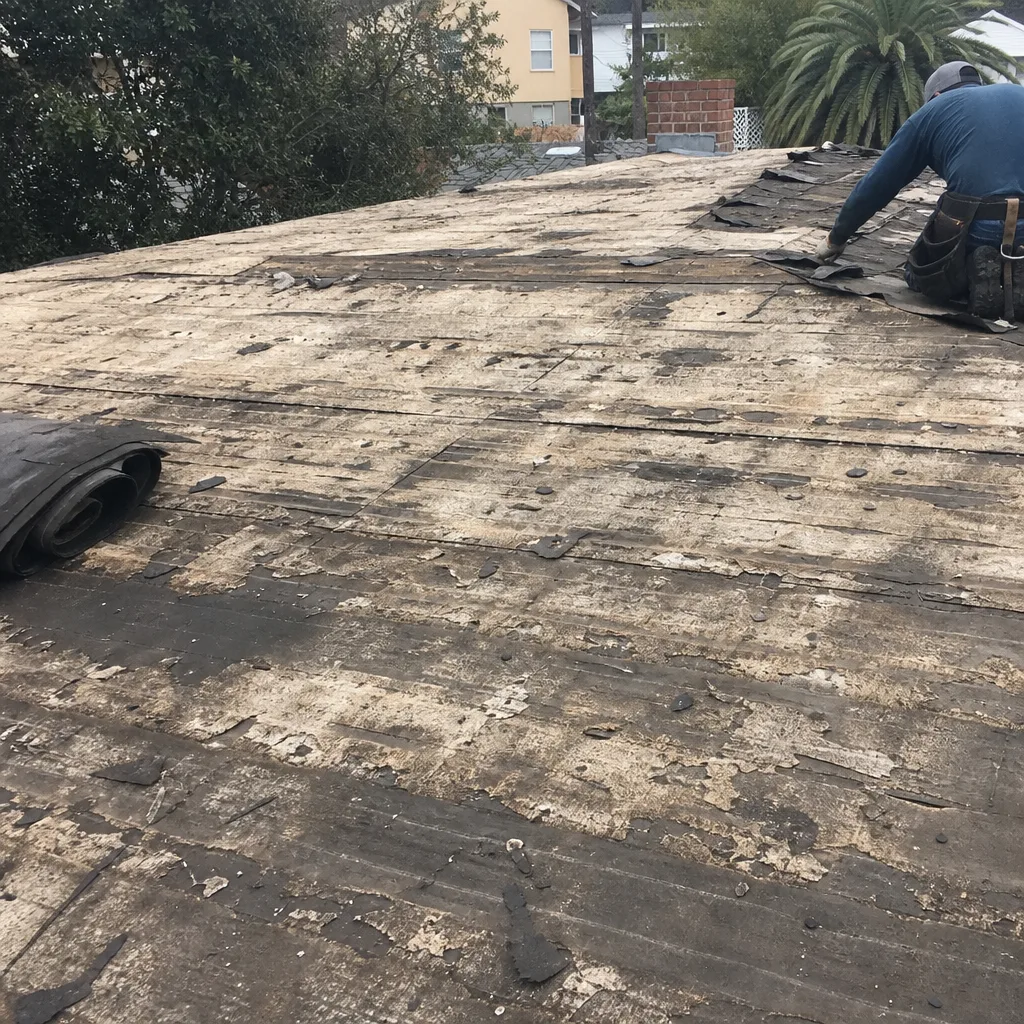 Before
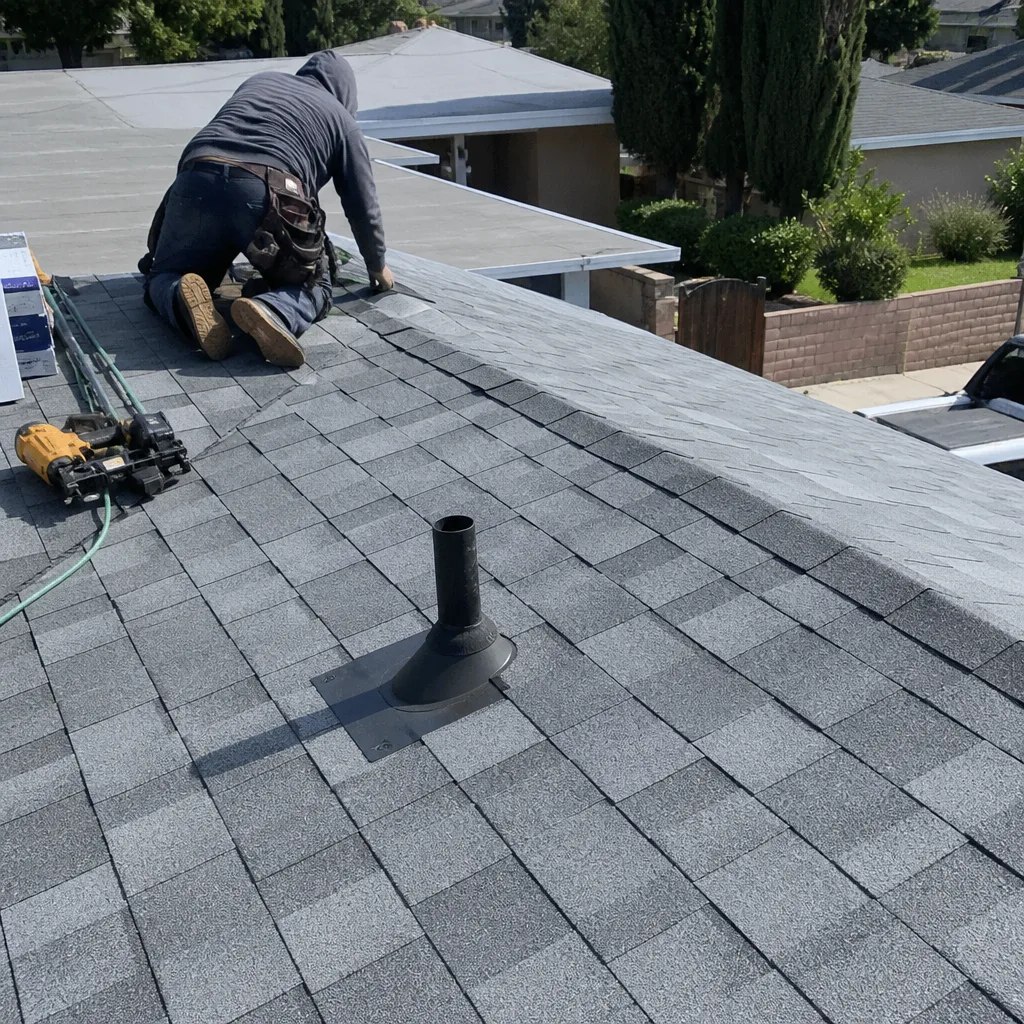 After
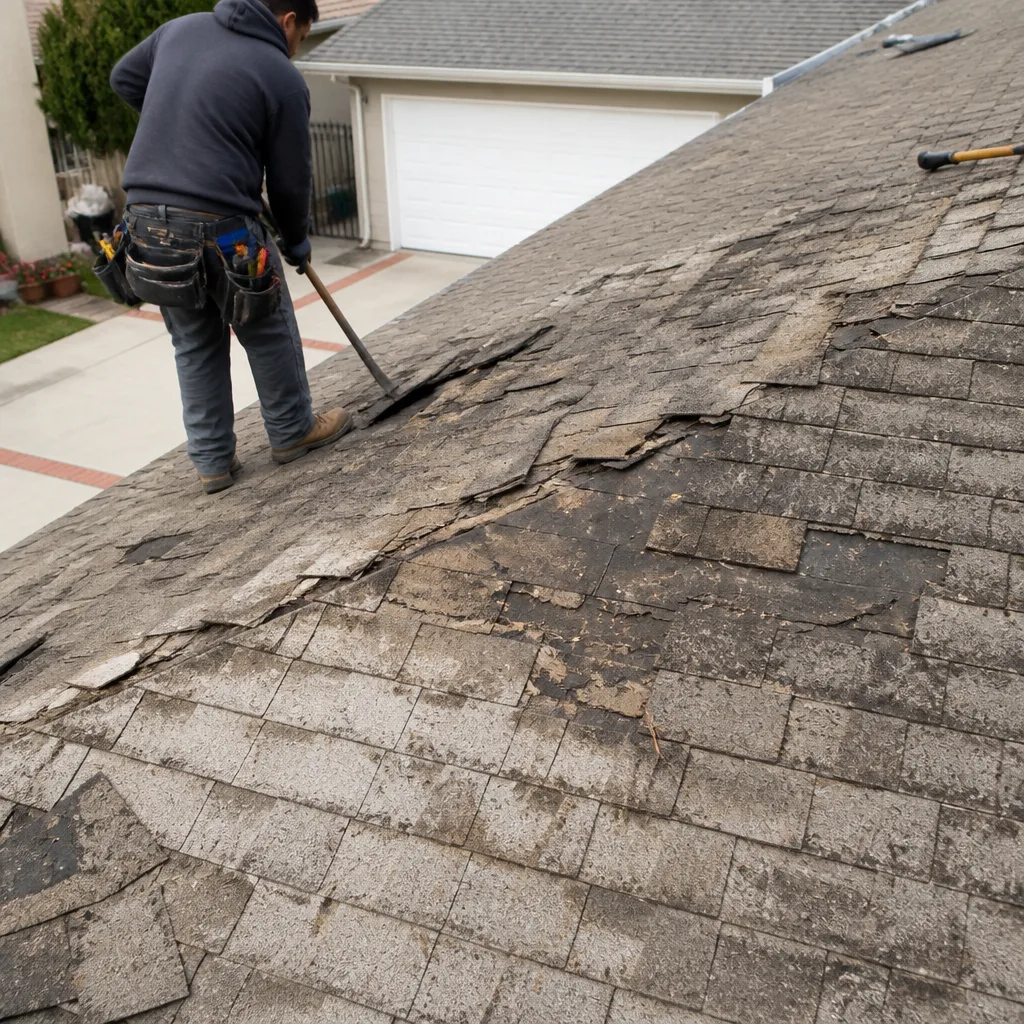 Before
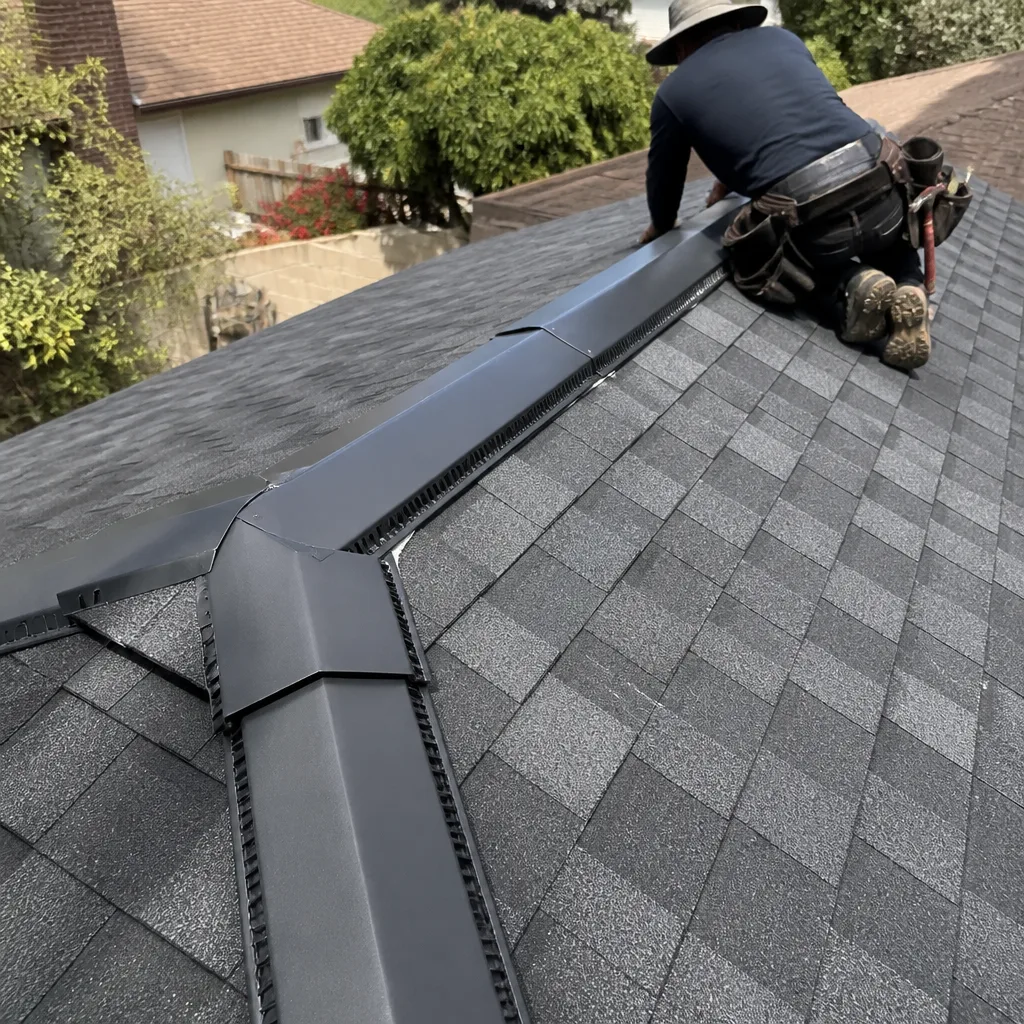 After
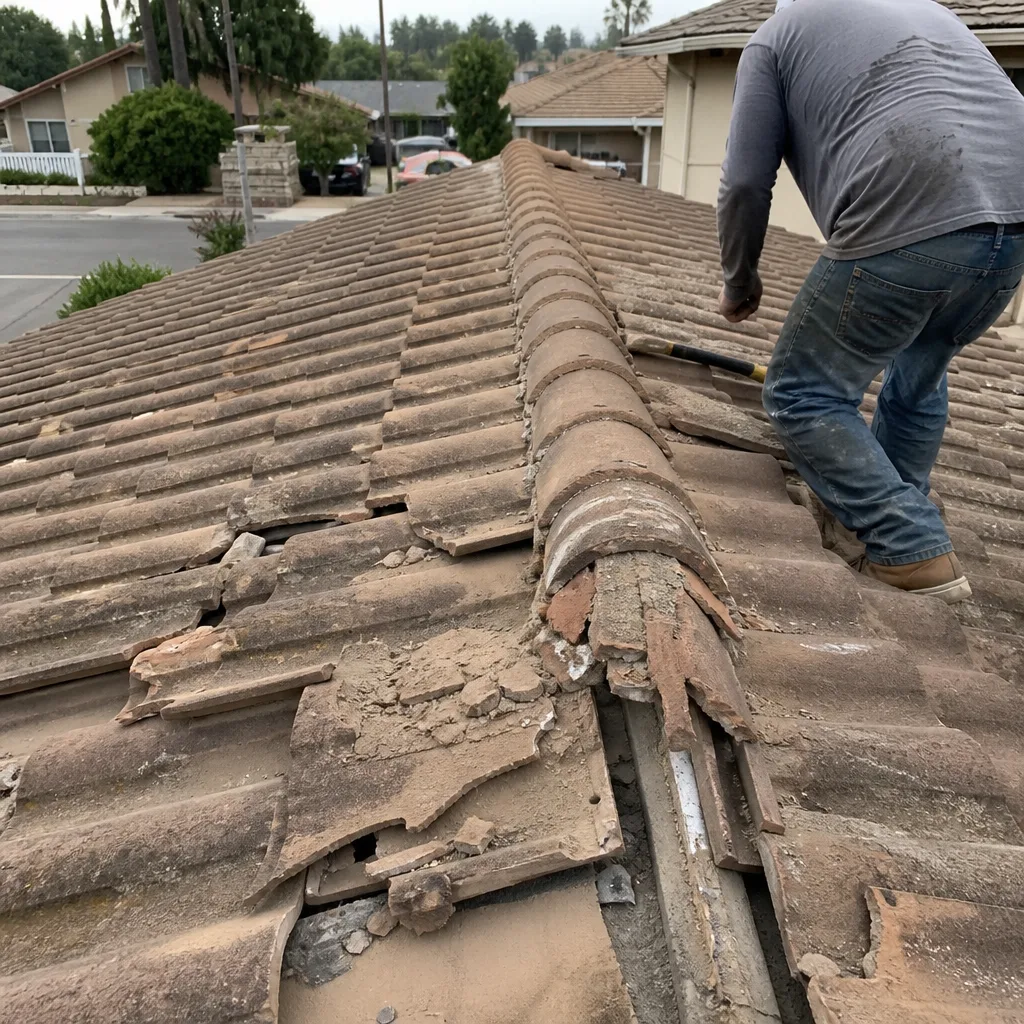 Before
 After