
Last updated October 30, 2026
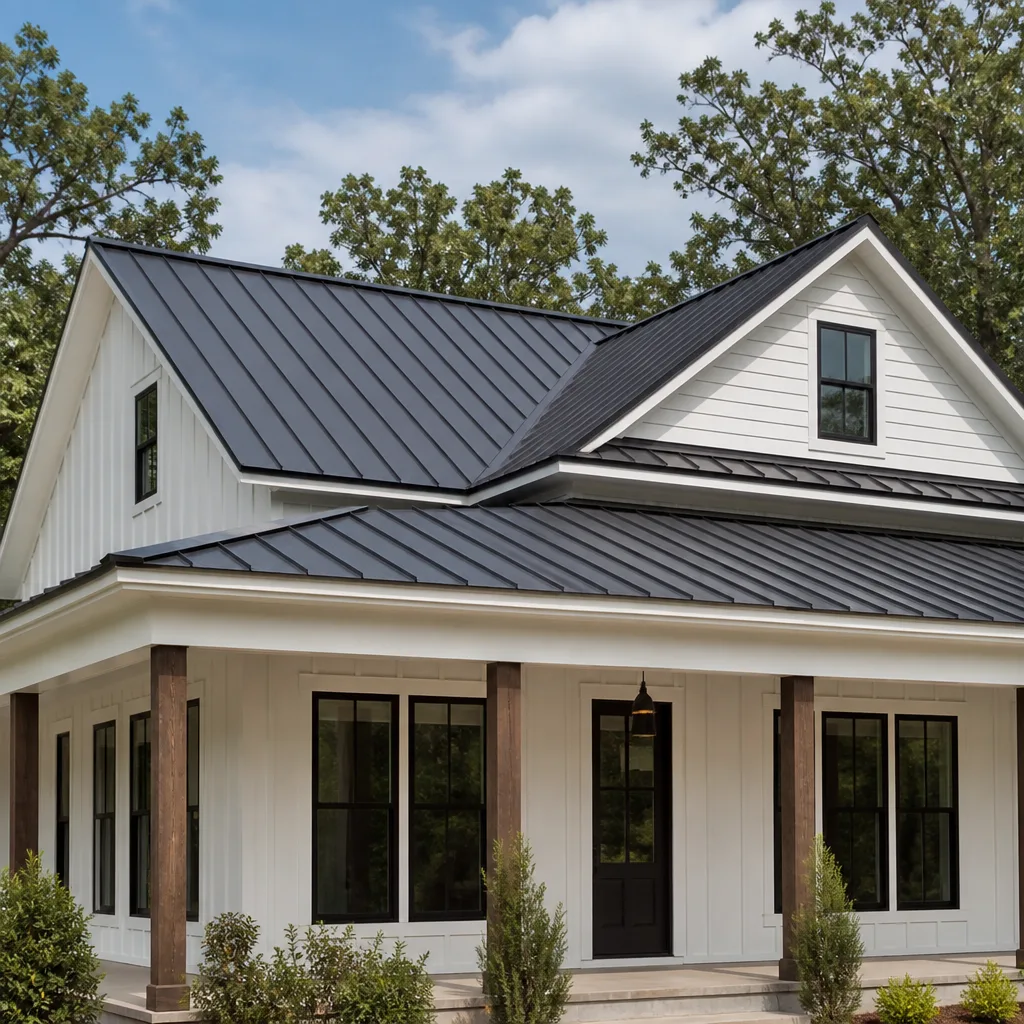 Metal roofing
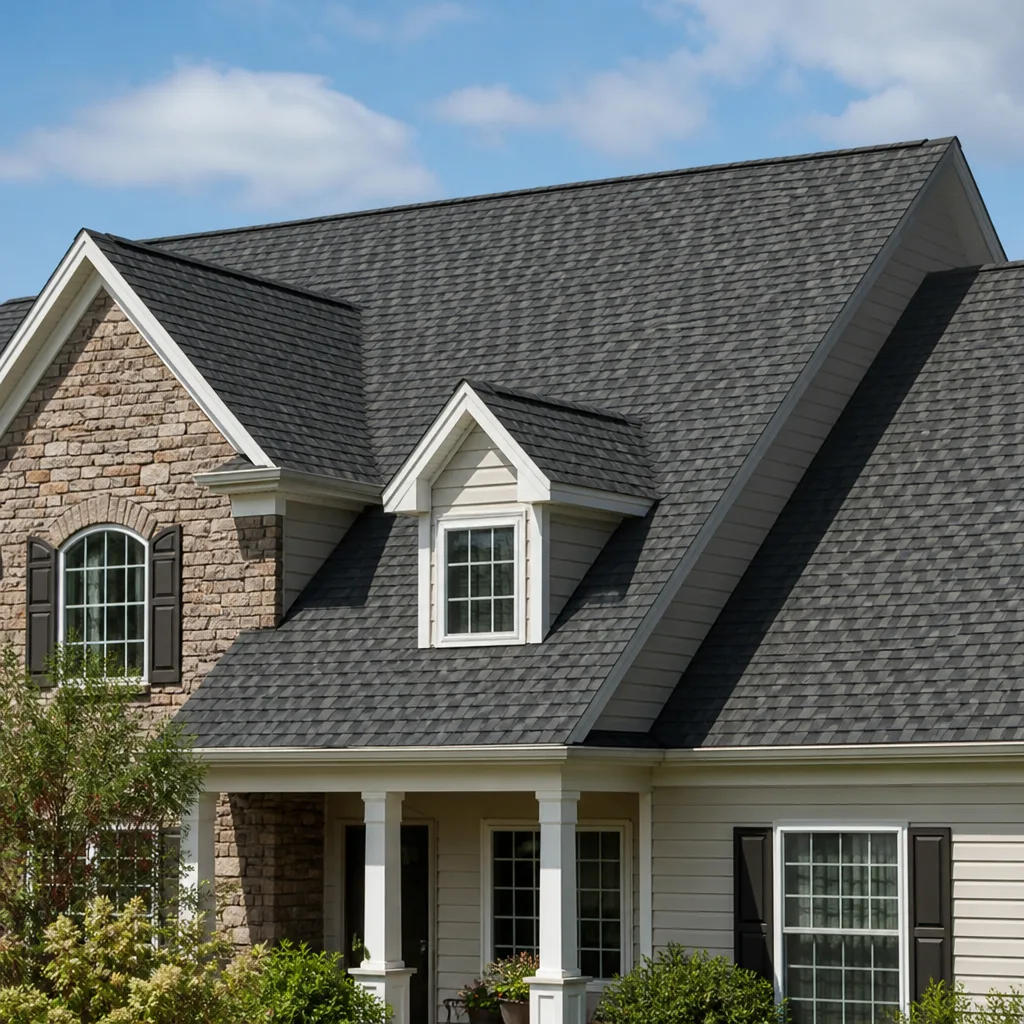 Architectural shingles
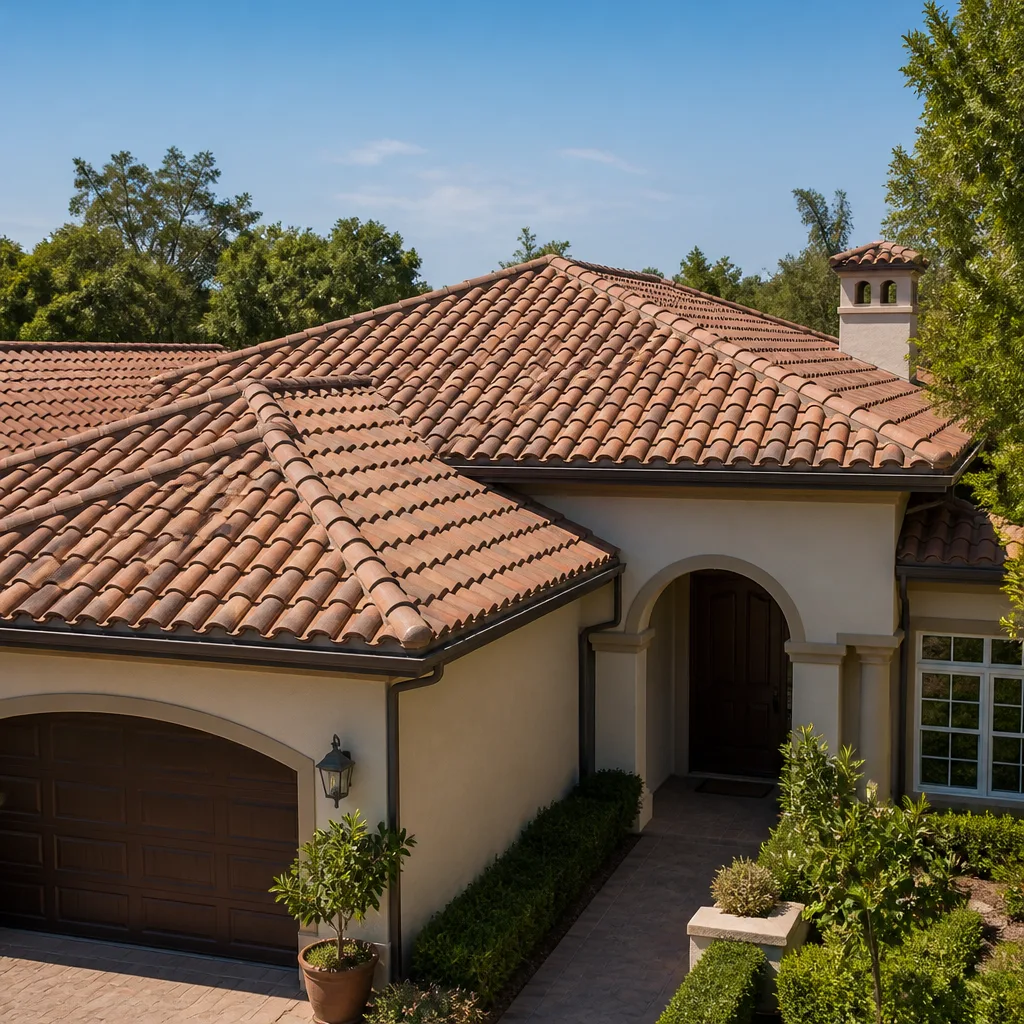 Tile roofing
 GAF
 Owens Corning
 Flat & low-slope
Free roof inspection with deck photos before we talk money - GAF and Owens Corning certified installation
Roofing Emergency Preparedness Guide for Glendale Homes
Most Glendale homeowners think of roofing emergencies as rain events. That assumption is exactly what makes the Santa Ana season so dangerous. The city’s highest-probability roofing emergencies are not leaks during winter storms. They are wind damage and ember exposure during the dry months, when no rain forces the issue and damage sits undetected for weeks, compounding quietly until the next rainfall turns a minor tear into a ceiling stain and a four-figure repair. This guide walks through the actual threat matrix for Glendale roofs, a 48-hour post-wind inspection protocol you can do from the ground, how to document damage for insurance before any temporary work, and the order of calls that protects your claim. For more on this topic, see our Roofing Warning Signs: A Glendale Homeowner’s Reference Guide. This is the preparedness guide we wish every Glendale homeowner had before the first gust hits.
Styles & brands we work with
Quick Answer
Roofing emergency preparedness in Glendale means prioritizing Santa Ana wind damage and ember exposure over rain leaks, documenting damage photographically before temporary repairs, and calling your insurance carrier before any contractor. The most damaging events happen during dry, windy periods when no rain forces immediate attention, so the core of preparedness is a ground-level post-wind inspection routine done within 48 hours of peak gusts. Emergency tarping is a temporary stopgap, not a repair, and a tarp installed wrong will cause more water damage than it prevents.
Table of Contents
- Glendale’s Roofing Threat Matrix: Ranked by Actual Probability
- Why Santa Ana Winds Are Glendale’s Real Roofing Emergency
- Ember Exposure: The Wildfire Threat Most Homeowners Ignore
- The 48-Hour Post-Wind Inspection Protocol (No Ladder Required)
- Photographic Documentation: What Insurers Actually Look For
- Emergency Tarping: What It Protects, What It Doesn’t, and How It Goes Wrong
- Who to Call First: The Glendale Response Sequence
- Common Mistakes to Avoid
- When to Call a Professional
- Frequently Asked Questions
- The Bottom Line
Glendale’s Roofing Threat Matrix: Ranked by Actual Probability
Here is the ranking most guides get wrong. They lead with rain. In Glendale, rain is not the leading cause of roofing emergencies. It is the third most likely trigger, behind two dry-weather events that get far less attention. Understanding this order changes what preparation actually means. The list below ranks threats by how frequently we see them cause real, claim-worthy damage across Glendale roofs, from the Verdugo Hills to the flats along the 134.
- Santa Ana wind damage (most frequent). Gusts in Glendale regularly hit 50 to 70 mph during Santa Ana events, with canyon-funneled blasts in neighborhoods like Mount Royal and Chevy Chase Canyon running higher. Asphalt shingles are rated for sustained winds, but the failure point is usually not outright blow-off. It is the repeated flexing that breaks the seal strip, loosens nails, and leaves shingles half-attached. A shingle that survives the wind event but loses its seal becomes a leak waiting for the next rain, sometimes months later.
- Ember exposure from wildfire. Glendale’s wildland-urban interface puts thousands of homes within ember-cast range of brush fires in the Verdugo Mountains and San Rafael Hills. Embers do not need direct flame contact. They travel a mile or more on Santa Ana winds and land in roof valleys, gutters packed with dry leaves, and behind loose shingle edges. Once lodged, a single ember can smolder for hours before igniting. This is the emergency most Glendale homeowners never see coming because it does not announce itself with a storm.
- Rain intrusion (winter storms). This is the classic roofing emergency, and it does happen in Glendale. Winter atmospheric rivers can drop several inches in a day. But the damage is usually traceable to a pre-existing condition: a wind-loosened shingle from months earlier, a failed pipe boot, aged flashing at a dormer or chimney. Rain is rarely the root cause. It is the event that reveals the damage that was already there.
- Seismic displacement (rare but real). Glendale sits on multiple fault lines, and even moderate shaking can shift roof-to-wall connections, crack sealant at penetrations, and open small gaps in flashing. The damage is usually subtle. Most homeowners notice it weeks or months later as a water stain that appears without an obvious storm. After any earthquake over 4.0, a roof inspection is a sensible precaution, especially on older homes with original flashing.
The takeaway is simple: if your emergency plan starts and ends with “check the roof when it rains,” you have already missed the two most probable events. Preparedness in Glendale means watching wind forecasts as carefully as rain forecasts.
Why Santa Ana Winds Are Glendale’s Real Roofing Emergency
Santa Ana winds are a specific meteorological pattern: high pressure over the Great Basin pushes dry air downhill toward the coast, compressing and heating it as it accelerates through mountain passes and canyons. For Glendale, the geography makes it worse. The Verdugo Mountains and the San Gabriel foothills funnel wind into concentrated corridors, which is why one street can lose a dozen shingles while three blocks away nothing moves. Humidity drops into the single digits. Gusts arrive in bursts, not steady streams, and that variability is what breaks roofs.
The failure mechanism on an asphalt shingle roof is rarely dramatic. A shingle’s wind rating, often 110 mph or 130 mph for brands like Atlas and CertainTeed, refers to laboratory uplift testing under uniform conditions. Real Santa Ana gusts are turbulent and directional. They push under shingle edges from unexpected angles. The first thing to fail is the sealant strip, that line of heat-activated adhesive that bonds each shingle to the course below. Once the seal breaks, the shingle is no longer a cohesive part of the roof assembly. It is a flap. The next gust works it like a hinge, and eventually the nails pull through or the shingle tears at the fastener point.
What makes this dangerous for Glendale homeowners specifically is the delay between cause and consequence. No rain follows a Santa Ana event. The damage is invisible from the street. Homeowners do not notice because nothing leaks. Then December arrives, the first atmospheric river hits, and water finds the gap. By then, the homeowner files a claim for “storm damage” from a rainstorm, but the insurer may date the damage back to the wind event. That gap can complicate coverage. The lesson: after any significant Santa Ana event in Glendale, inspect your roof from the ground within 48 hours, whether or not it rained. That is the single most effective preparedness habit for this city, and it costs nothing.
Ember Exposure: The Wildfire Threat Most Homeowners Ignore
Glendale’s wildfire risk is not theoretical. The La Tuna Fire burned over 7,000 acres in 2017 and forced evacuations in Glendale neighborhoods. The Station Fire before it was worse. But what most homeowners misunderstand is how homes actually ignite. It is rarely the wall of flame. Research from wildfire behavior labs consistently shows that the majority of structure ignitions in wildland-urban interface fires are caused by embers, also called firebrands, landing on or near the structure. A burning ember the size of a quarter can ignite a roof system if it finds the right fuel.
On a roof, the dangerous fuel is not the shingles themselves. Modern asphalt shingles from manufacturers like Owens Corning and IKO carry Class A fire ratings, the highest available, meaning they resist surface flame spread under direct flame contact. The vulnerability is everything that accumulates on top of them. Dry leaves in valleys and behind chimneys. Pine needles in gutters. A bird’s nest under a roof tile. Debris trapped behind a loose shingle edge where the underlayment is exposed. These are the tinder points. An ember lands, finds a sheltered pocket of dry fuel, and smolders. Hours later, when the fire front is long gone, the roof ignites.
Glendale homeowners in fire-prone zones should treat roof cleanliness as an emergency preparedness task, not a cosmetic one. Clear gutters before Santa Ana season begins, usually October. Check valleys and cricket areas where debris accumulates. Trim overhanging branches that drop leaves onto the roof. If your home backs up to open brush in the San Rafael Hills or along the Verdugo corridor, this is not optional maintenance. It is the difference between an ember landing on bare shingle and an ember finding fuel. A Seasonal Roofing Care for Glendale: Year-Round Homeowner’s Guide explains how a roof inspection can identify fungal or moss growth that holds moisture and provides additional ember tinder during dry spells.
The 48-Hour Post-Wind Inspection Protocol (No Ladder Required)
After a significant Santa Ana wind event in Glendale, you have a window of about 48 hours to document damage while the evidence is fresh and before rain, debris, or subsequent winds obscure it. This protocol is designed to be done from the ground. It does not require climbing onto the roof, and in fact, we advise against it. Walking a wind-damaged roof without proper training and safety equipment is dangerous, and you can miss subtle damage from up close that is easier to spot from a distance. Here is the sequence:
- Start at the street, facing the front elevation. Look for anything that breaks the uniform plane of the roof: shingles that appear lifted, curled, or sitting at an angle. Wind damage often shows as a slight irregularity in the shadow line. Move 20 feet to the left and right and look again from each angle. Different light angles reveal different failures.
- Walk the full perimeter of the house. This includes alleys, side yards, and the back fence line if accessible. Pay closest attention to roof edges, especially the corners, where wind uplift forces are highest. Look for exposed underlayment at the rake edges, which appears as a black or gray strip where the shingle should be.
- Check the ground. Wind-blown shingles do not travel far from home. Walk the yard, the driveway, and the planting beds. Found shingles or shingle fragments are direct evidence of failure. Note their size and approximate where they came from. Do not throw them away. Bag them and keep them for the insurance adjuster.
- Inspect the gutters from below. Look for shingle granules accumulating in concentrated piles under downspout outlets. A few granules during the first year of a new roof are normal. A visible layer of granules after a wind event suggests seal failure and significant flexing. Granule loss shortens shingle lifespan and indicates the roof took real stress.
- Look at flashing points. Chimneys, skylights, pipe boots, and valley metal. Wind-driven debris can dent flashing or break the sealant around penetrations. From the ground, look for anything that appears bent, lifted, or no longer flush against the roof surface.
- Photograph anything suspicious. Even if you are not sure it is damage, document it. The next section covers exactly how. When in doubt, shoot it.
This protocol takes about 20 minutes. Do it after every major wind event in Glendale, not just the ones that happen to occur when you have other roof concerns. The goal is to catch damage before it becomes a leak, because by the time water appears on your ceiling, the repair is larger and the insurance conversation is harder.
Photographic Documentation: What Insurers Actually Look For
Insurance claims for wind damage in Glendale succeed or fail on documentation. The adjuster who reviews your claim was not standing in your yard when the wind blew through. They are working from photos, inspection notes, and the comparison between your documentation and the condition of the roof at the time of their visit. The more complete your photographic record, the stronger your claim. Here is what actually matters to insurers:
Date and time stamps that are verifiable. Most phone cameras embed metadata including date and time automatically. Do not turn this off. If your phone does not embed it visibly on the photo, use a timestamp camera app. The insurer is trying to establish that the damage occurred during the specific wind event you are claiming, not during some earlier or later period. A photo of a lifted shingle taken on October 28 at 4 p.m., when the National Weather Service recorded 65 mph gusts in Glendale at that exact time, is compelling evidence. The same photo taken two weeks later is much weaker.
Wide shots before close-ups. For every area of damage, take three photos. First, a wide shot that establishes location context, such as the whole front elevation with the damaged area visible. Second, a mid-range shot that shows the specific section of roof where the damage sits. Third, a tight close-up of the damage itself. This sequence proves where the damage is, not just that it exists. Adjusters use the wide shots to match your photos to the roof they are inspecting.
Include a reference object. For anything loose or displaced, such as a blown shingle in the yard, photograph it next to a ruler, a coin, or even your hand. Scale matters. An adjuster looking at a close-up of shingle fragments has no way to judge size without a reference.
Document before any temporary repair. This is the sequence that protects you: photograph everything first, then call for emergency tarping. Adjusters are suspicious of claims where the only photos show a roof that has already been tarped or partially repaired. The unaltered evidence is the strongest evidence. If you must tarp before photographing because rain is imminent, photograph the tarp installation itself, including the exposed area before the tarp goes on if at all possible.
Keep a written log. Note the date, approximate time, and what you observed, even in a simple notes app. Something like “October 28, 4:15 PM – noticed three shingles lifted on the southwest corner, visible from the driveway” written at the time it happened carries weight. Memory fades. Written contemporaneous notes do not.
Emergency Tarping: What It Protects, What It Doesn’t, and How It Goes Wrong
Emergency tarping is the standard first response to a roof breach, and it does one thing well: it prevents active water intrusion in the short term. A correctly installed tarp over a damaged section keeps rain out until a proper repair can be scheduled. That is the entire job. A tarp is not a repair, it is not a substitute for one, and it is not a long-term solution. In Glendale, where winter rains can arrive weeks after a wind event, a tarp bought in October and forgotten about is a problem waiting for January.
What a tarp does not protect against: wind uplift, UV degradation, and continued structural water damage if installed incorrectly. And incorrect installation is far more common than most homeowners realize. The typical mistake is tarping the damaged area only, without extending far enough up-slope. Water does not fall straight down on a roof. It flows. If rain hits the roof above the tarp’s top edge, it runs under the tarp and into the exact breach the tarp was meant to seal. A tarp that stops six inches above the damaged section will channel water directly into it. The rule of thumb is that a tarp should extend at least three to four feet up-slope from the damage, and it should be secured over the ridge line when the damage is near the peak.
Another failure mode is fastener damage. Tarps are typically secured with nails or screws driven through the tarp into the roof deck. Every fastener is a new hole in the roof. If the fasteners are not sealed properly or the tarp is left in place too long, those holes become leaks themselves. A tarp left on a Glendale roof through a full summer will bake in sun, the grommets will tear, the plastic or canvas will degrade, and the roof will be worse off than it was before the emergency.
When a tarp is warranted, use a heavy-duty polyethylene or vinyl tarp rated for outdoor exposure. Secure it at the edges, not just the center. Fold the top edge under itself to create a dam. And schedule the actual repair as soon as conditions allow. In most cases, a tarp should be in place for days or a few weeks, not months. If you find yourself still tarped after 60 days, the temporary fix has become an expensive liability. For homeowners who want to understand the repair path after tarping, our Roof Repair in Glendale page walks through what a proper fix involves, from shingle replacement to full section rebuilds.
Who to Call First: The Glendale Response Sequence
The order of calls after a roofing emergency affects the outcome of your insurance claim, the speed of your repair, and the total amount you pay out of pocket. Here is the sequence that produces the best results in Glendale, based on how claims and contractor schedules actually work in this market:
- Your insurance carrier first. Before you call a contractor, before you schedule a repair, call your insurer or file a claim through their app. The reason is simple: the insurance company wants to inspect the damage before repairs are made, and if you repair first, you may forfeit coverage for work the adjuster never saw. The sequence matters. A homeowner who tarped and repaired before filing loses leverage. Call the insurer, describe the damage, and ask what documentation they need. Your insurance policy is the first line of financial protection. Use it in the correct order.
- A qualified roofing contractor second. After the claim is filed, call a roofer for an inspection and estimate. In Glendale, most reputable roofing companies offer free estimates. The inspection should happen before the adjuster’s visit if possible, because the contractor can document conditions independently and provide a professional assessment that supports your claim. If the contractor finds damage the adjuster later confirms, the claim moves faster. If the contractor finds nothing, you have saved yourself a denied claim.
- The City of Glendale Building and Safety third, if required. Some repairs, especially any involving structural changes or full replacement, require permits through the city. A licensed contractor will handle this as part of the job, but it is worth knowing that Glendale enforces its building codes and has specific requirements for roofing work, including material standards and inspection scheduling. Unpermitted work can become a problem when you sell the home.
- Neighbors last, but not least. This is the step no preparedness guide covers. In a high-wind event, your roof may have been damaged by debris from a neighbor’s property, or their roof may have damaged yours. Document the condition of neighboring roofs if you can do so from your property. In some cases, tree branches from an adjacent property cause roof damage, and the responsible party is the tree owner. This is a conversation for after the emergency is stabilized, not during it, but having photos helps.
The full replacement conversation, if it comes to that, should start with the same inspection-first approach. Our Roof Replacement in Glendale page explains the process, but the short version is that no honest contractor quotes a replacement without first establishing that repair is not viable.
Common Mistakes to Avoid
- Waiting for rain to check the roof. By the time water shows up inside, the damage is already established and the repair is more invasive. In Glendale, wind season and rain season are months apart. Check after wind, not rain.
- Calling a contractor before the insurance company. This reverses the sequence that protects your claim. The insurer needs to see the unaltered damage. A contractor’s repair before the adjuster’s visit can void coverage for that damage.
- Leaving a tarp on for months. A tarp that survives one Santa Ana season will not survive the next. UV exposure breaks down the material, fasteners loosen, and a compromised tarp funnels water into the roof instead of keeping it out. Sixty days is the practical maximum.
- Ignoring granule piles. A little granule loss is normal. A lot of it after a wind event means the shingles took real stress, even if nothing is visibly lifted from the street. Granules protect the asphalt from UV. Lose them, and the shingle ages fast.
- Assuming a Class A fire-rated roof means wildfire-proof. The shingle is fire-resistant. The debris on top of it is not. An ember does not need to ignite the shingle; it needs to ignite the dried leaves in the valley. Roof cleanliness is the actual fire defense.
- Climbing onto a damaged roof to inspect it. It feels productive, but walkable-looking roofs after wind events can have structural weakness you cannot see from above. From the ground, you catch the same issues with zero fall risk.
- Filing a claim for pre-existing wear. Insurance covers sudden, accidental damage from a specific event, not gradual deterioration. If your roof is 25 years old with failing shingles, and a windstorm finishes the job, the adjuster will separate the wind damage from the age-related failure. Knowing this before you file shapes realistic expectations.
When to Call a Professional
Some roofing emergencies are visible and obvious. Others are not, and those are the ones that cost the most. Call a professional when: you see water staining on a ceiling or wall and cannot trace the source; you find multiple shingles in the yard after a wind event; your roof is over 15 years old and has not been inspected in three years; you smell musty odors in the attic that suggest trapped moisture; or an earthquake over 4.0 has shaken your home and you want the roof-to-wall connections checked. Climbing onto a roof is genuinely dangerous work, and a trained eye catches what a homeowner misses. If you have any doubt about what you are seeing, the cost of an inspection is a fraction of the cost of guessing wrong. Weathervane Roof Repair home – where the whole service lineup leads with inspection – offers free estimates in Glendale; call (877) 755-4274 to schedule one.
Frequently Asked Questions
Santa Ana wind damage is the most frequent roofing emergency in Glendale, followed by ember exposure from wildfires and then rain intrusion. Wind gusts funneling through the Verdugo Mountains and canyon corridors break shingle seals and loosen fasteners, leaving damage that may not leak until the winter rains arrive months later. Learning the local threat pattern is the first step in a plan that actually matches this city. Call (877) 755-4274 for a free estimate if you suspect wind damage.
Emergency roof repair in Glendale typically ranges from $400 to $900 for localized shingle replacement or flashing repair, while emergency tarping alone usually runs $200 to $500 depending on the size and accessibility of the damaged area. Full section replacements run higher. The final number depends on the extent of damage, the roofing material involved, and whether the work is covered by insurance after your deductible. Call (877) 755-4274 for an exact quote – estimates are free.
Call your insurance company first. Your insurer needs to see the unaltered damage before any repairs are made, and filing the claim before contracting work preserves your coverage and strengthens your negotiating position. After the claim is filed, call a roofing contractor for an independent inspection that can support the adjuster’s findings. The order matters more than most homeowners realize.
A tarp should stay on a Glendale roof for no more than 60 days. Beyond that, UV exposure and wind degrade the material, fasteners loosen, and the tarp itself starts causing the water damage it was meant to prevent. If your tarp has been up longer than two months, schedule the permanent repair now. Call (877) 755-4274 to schedule your free estimate.
Minor repairs, such as replacing a few shingles or resealing flashing, typically do not require a permit in Glendale. Full roof replacement and structural work do require permits through the City of Glendale Building and Safety division. A licensed contractor will know which category your job falls into and will handle the permitting as part of the scope; see Roofing Permits, Codes & Inspections in CA: What You Need to Know for details. Always confirm the permit question before work starts.
Clear gutters and valleys of dry debris before October, trim overhanging branches, and do a ground-level inspection after every major wind event using the 48-hour protocol. If your roof is over 15 years old or you have not had it inspected in three years, schedule a professional Roof Inspection in Glendale before wind season starts. Preparation beats reaction in this climate, and it costs less than the repair.
The Bottom Line
Roofing emergency preparedness in Glendale is not about buying a tarp and hoping. It is about knowing which threats actually happen here – wind and embers, in that order – and building a routine that catches damage before it compounds. The 48-hour post-wind inspection costs nothing but attention. Photographic documentation takes minutes and can be worth thousands in claim support. The correct call sequence protects your coverage and your cash. And when the moment comes to act, the principle is the same one we apply every day at Weathervane Roof Repair: inspect first, repair only when warranted, replace only when necessary. Browse our more guides & resources for additional homeowner support. If you have concerns about your roof’s condition after a wind event, do not wait for the rain to confirm your suspicions.
Written by the team at Weathervane Roof Repair, serving Glendale since 2014.
See the difference
 Before
 After
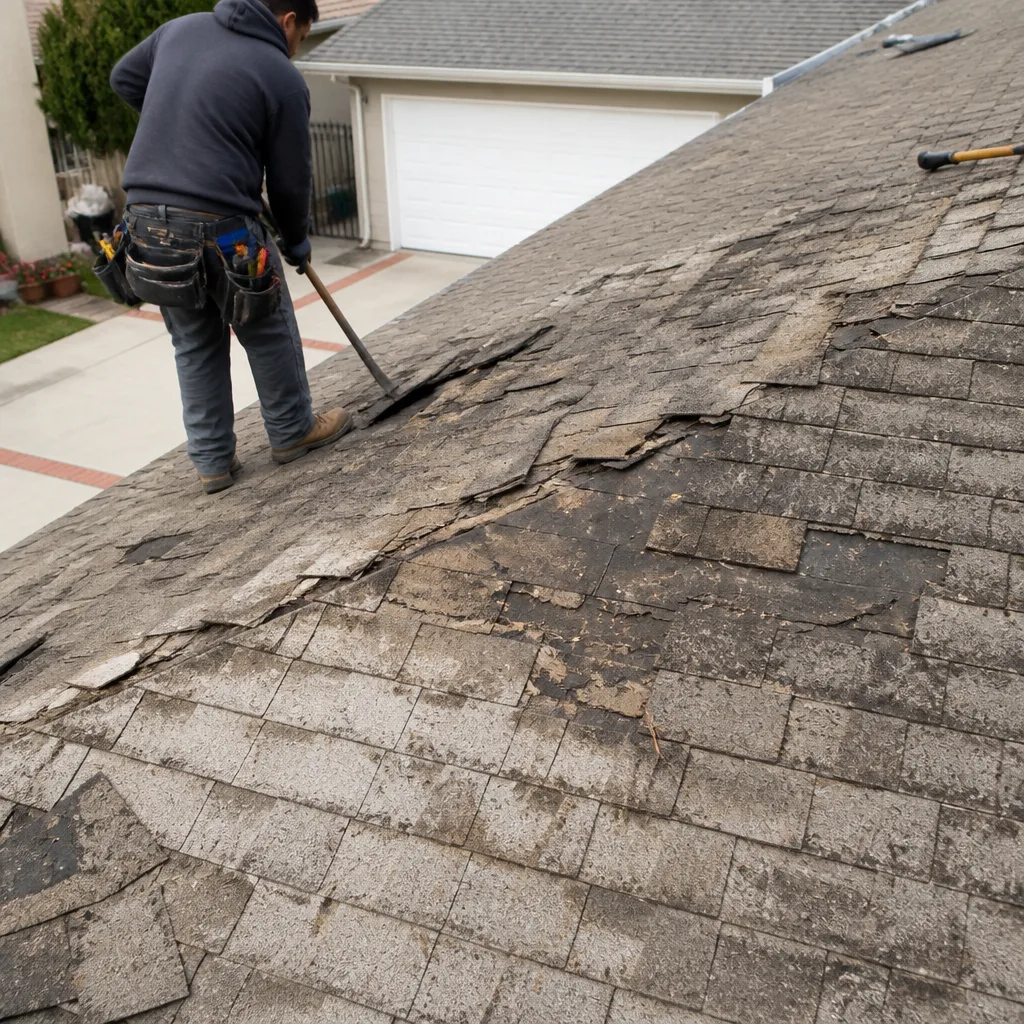 Before
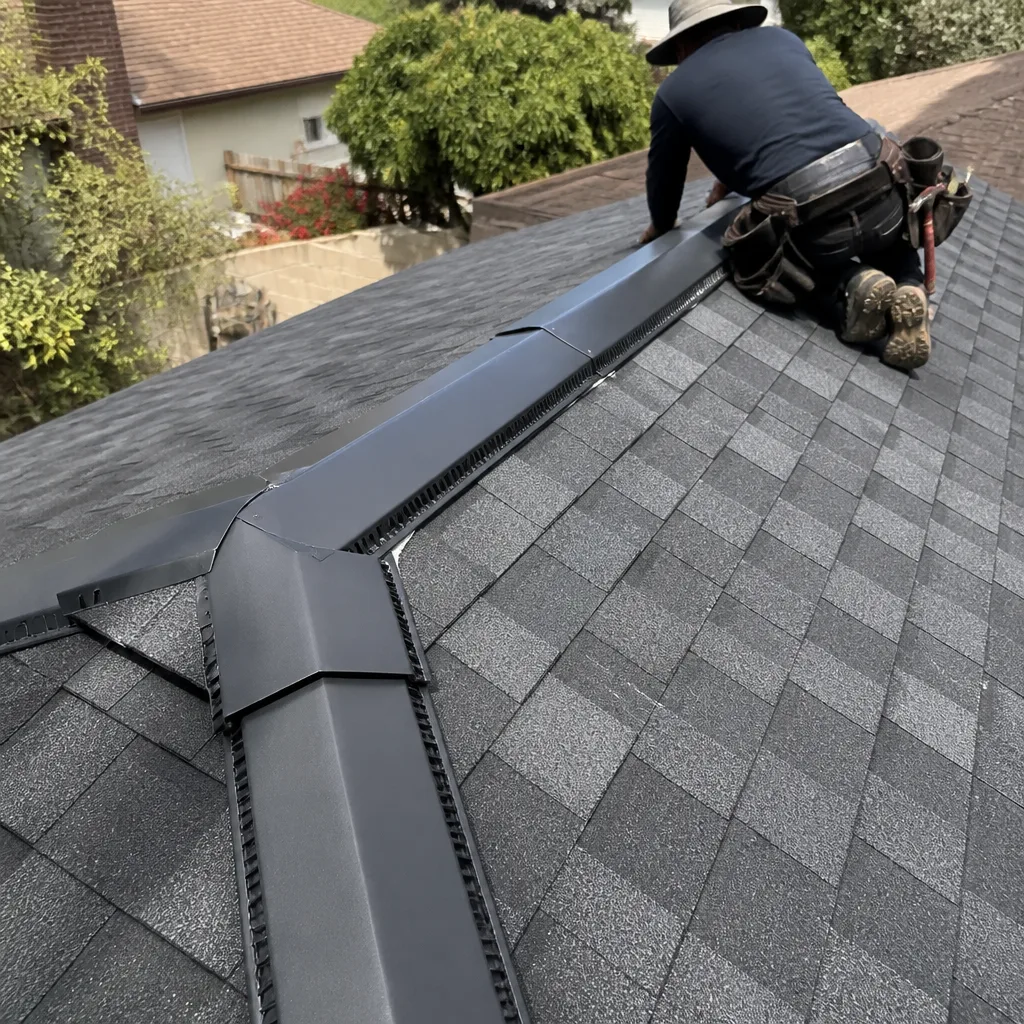 After
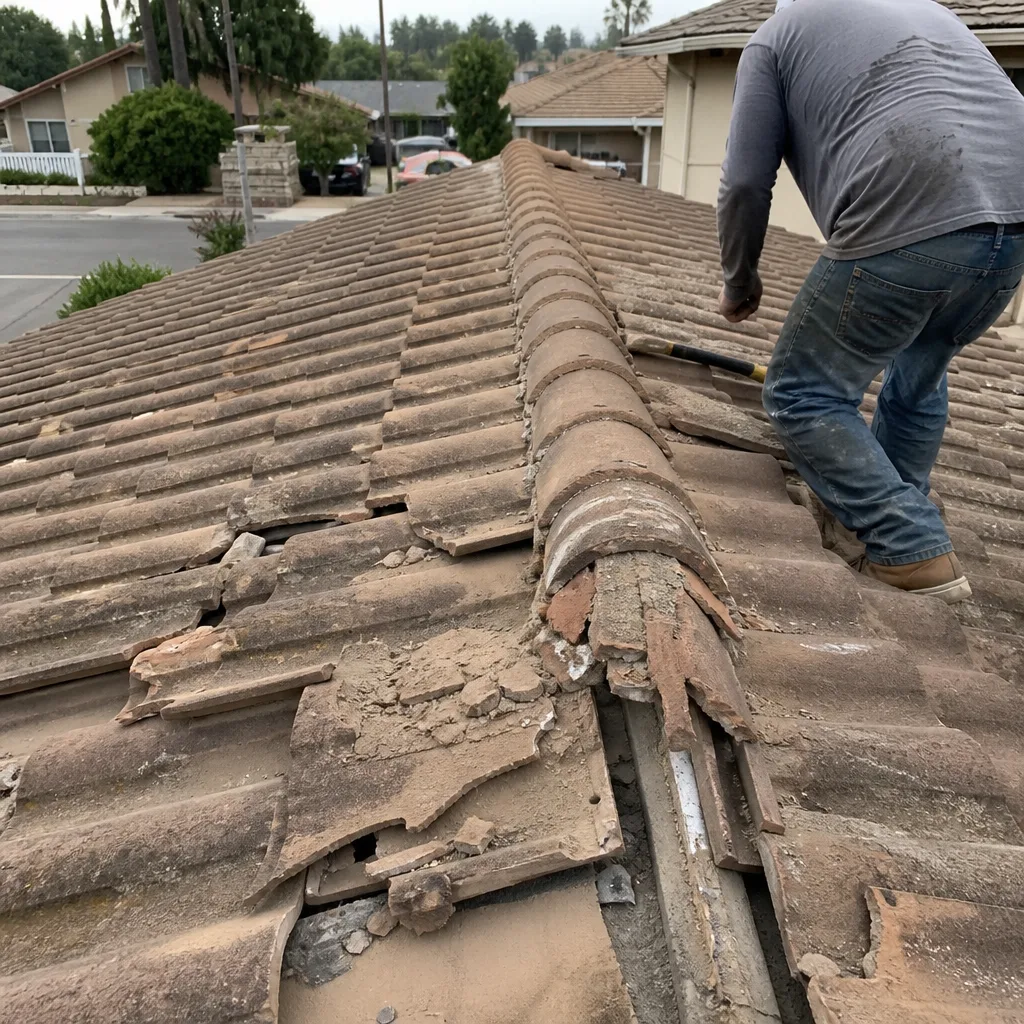 Before
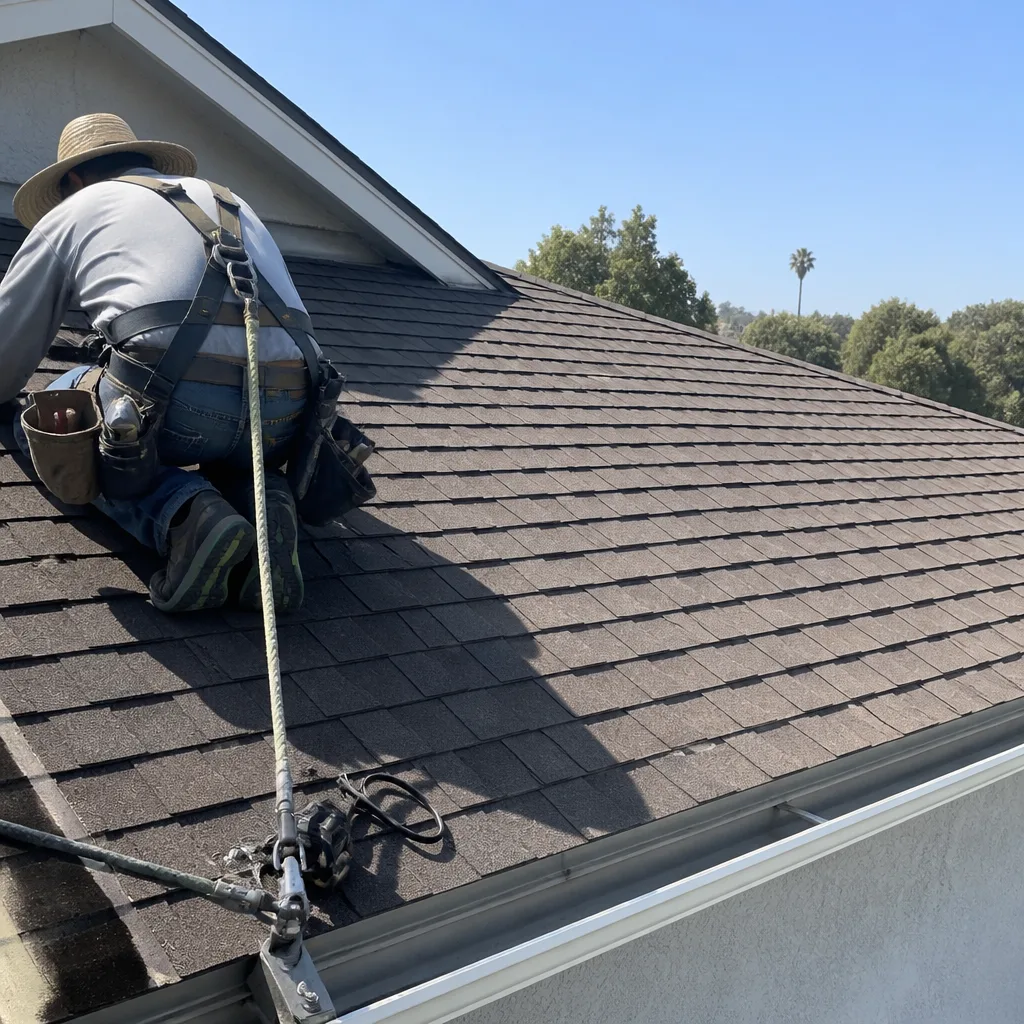 After