Last updated October 30, 2026
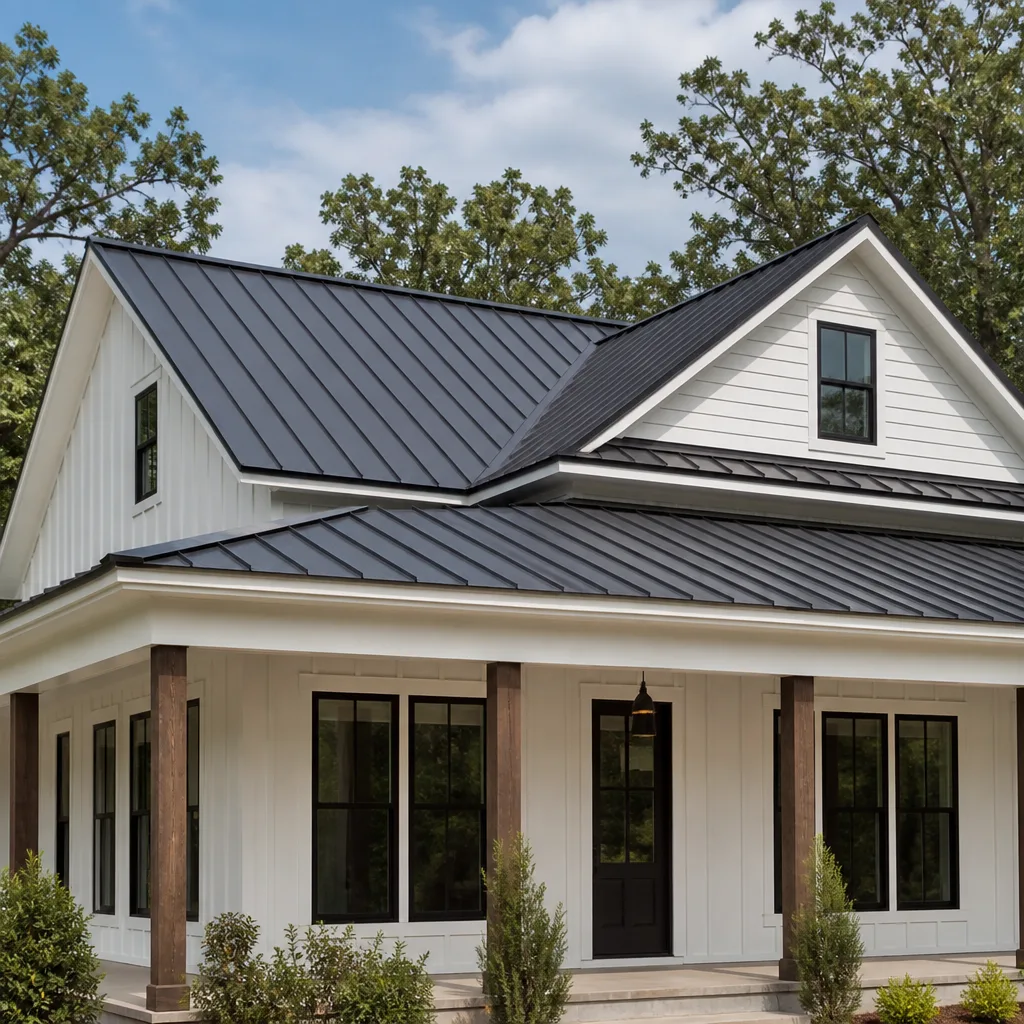 Metal roofing
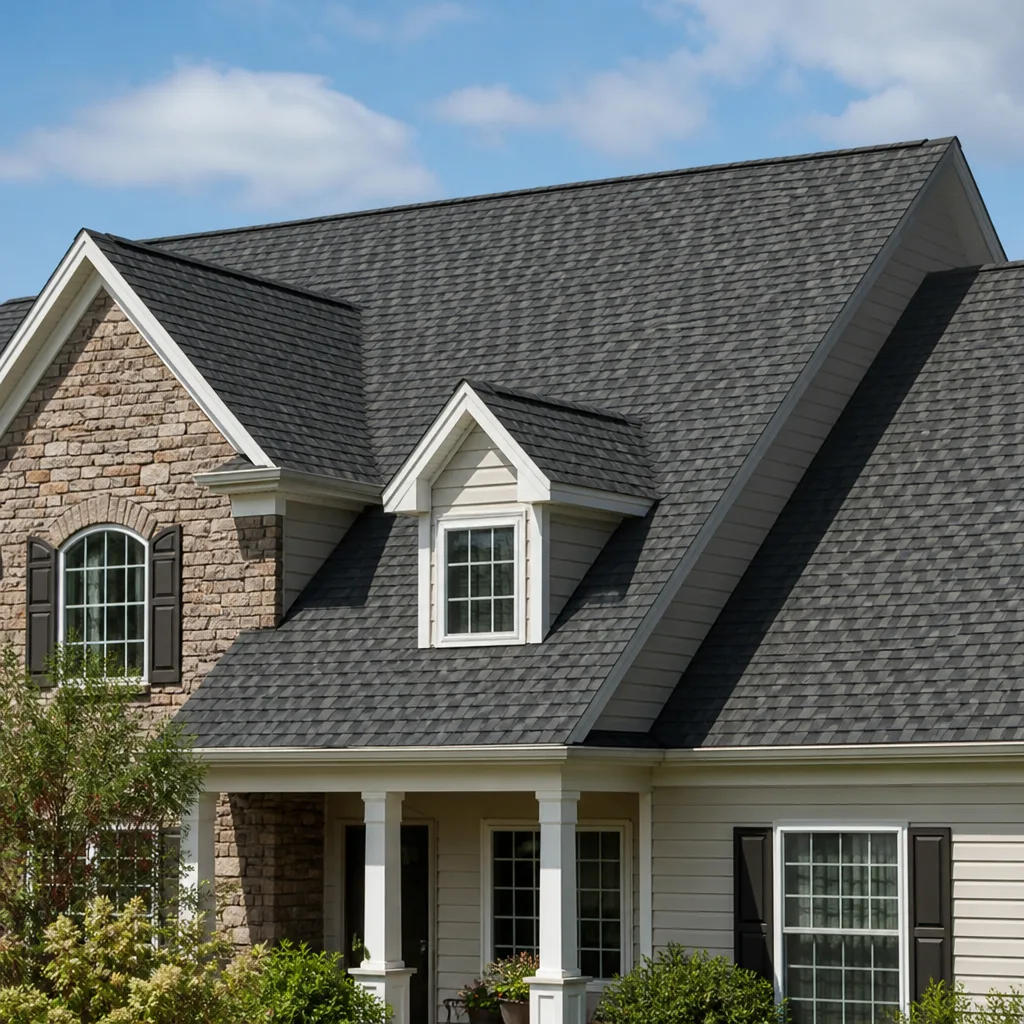 Architectural shingles
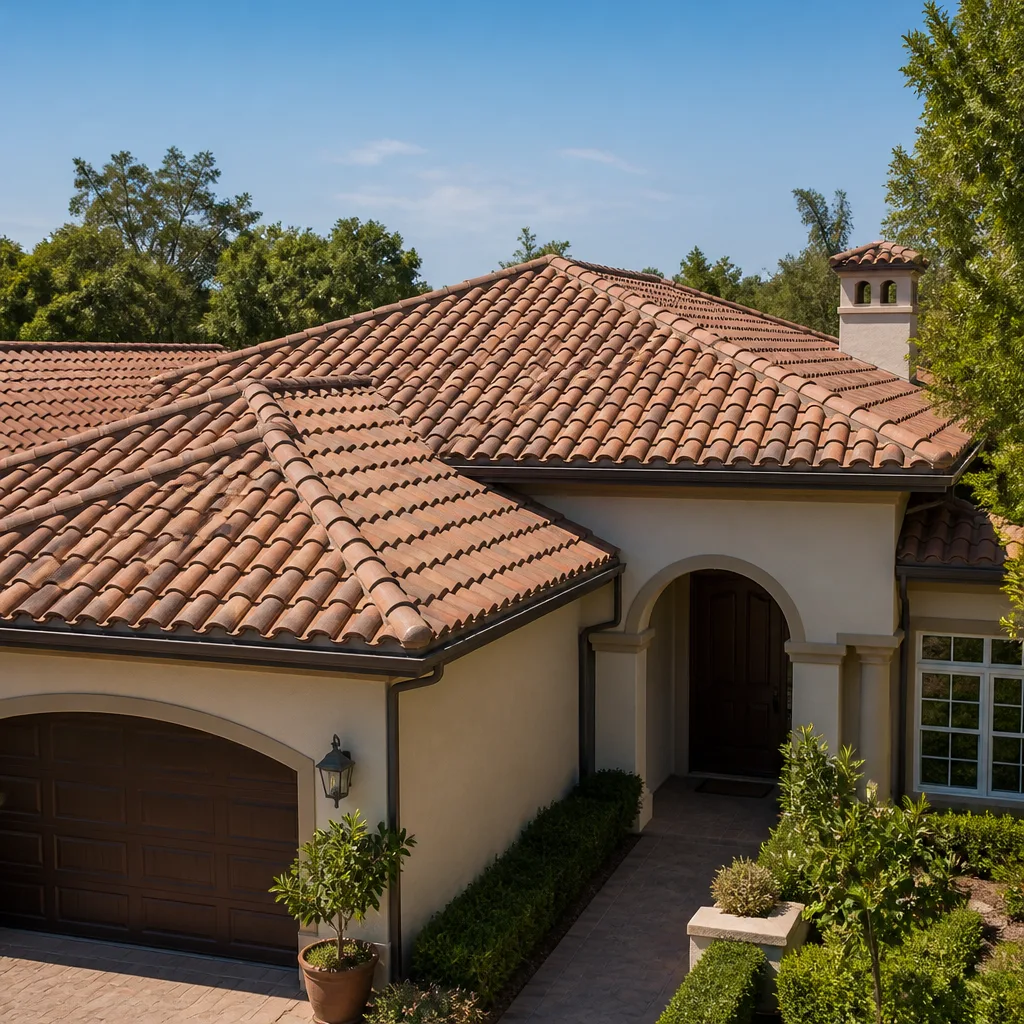 Tile roofing
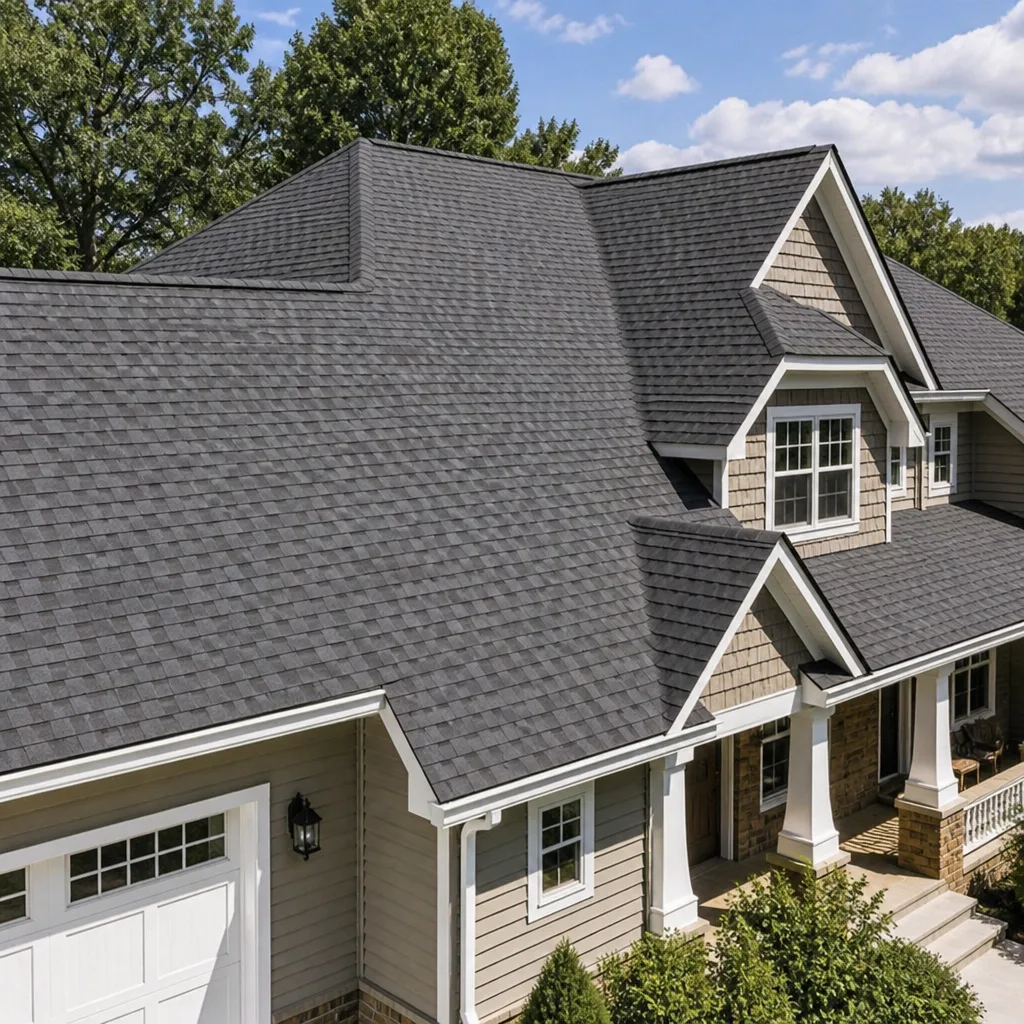 GAF
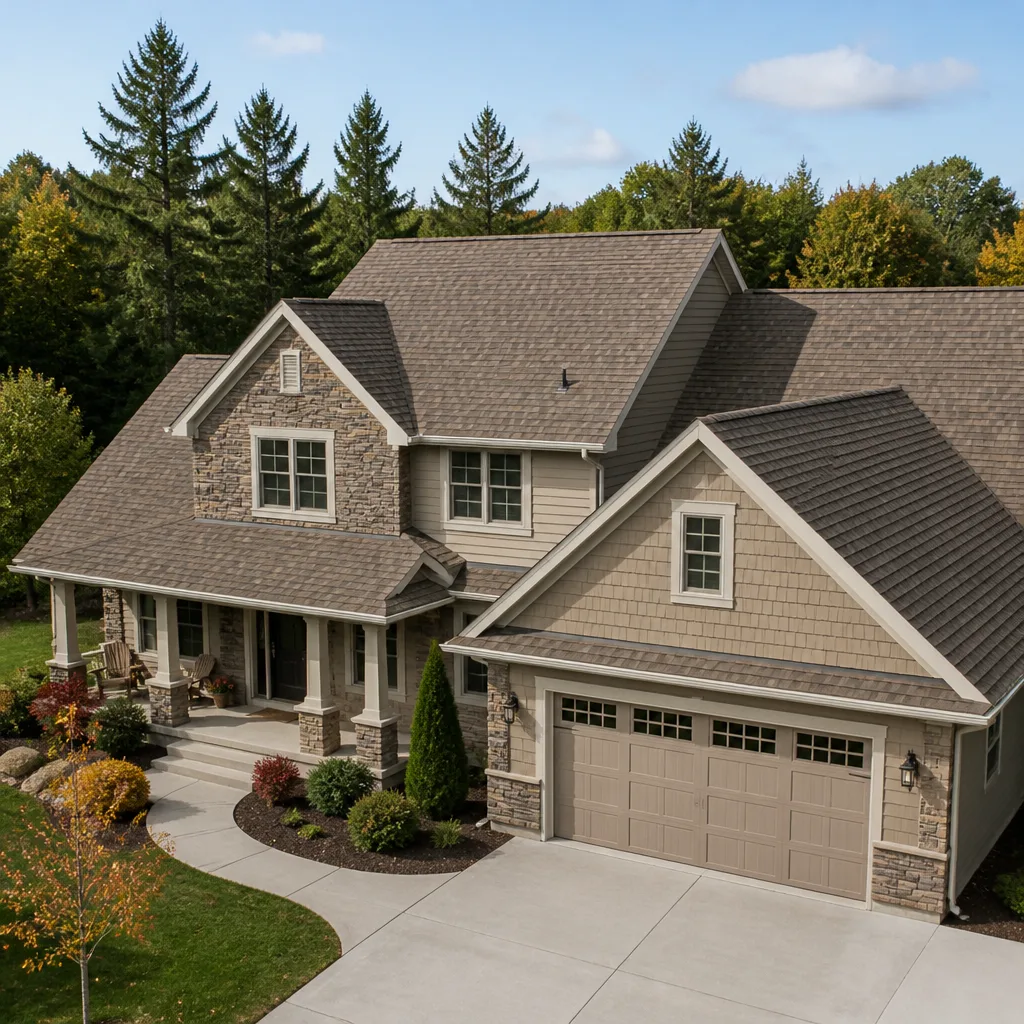 Owens Corning
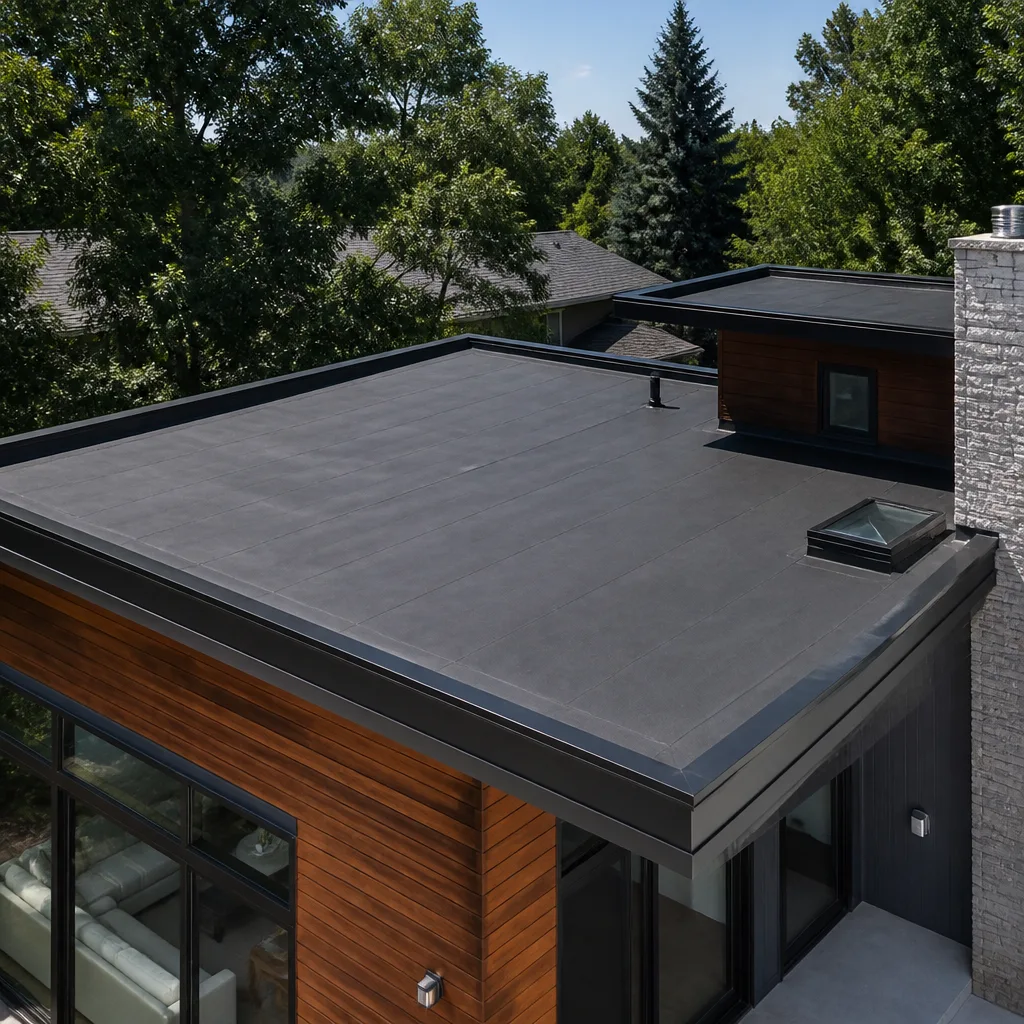 Flat & low-slope
Free roof inspection with deck photos before we talk money - GAF and Owens Corning certified installation
How to Hire a Roofing Contractor in Glendale: A Step-by-Step Guide
After the 2019 Saddleridge fire and the wind events that followed, Glendale Building & Safety saw a measurable spike in failed roofing inspections. Most of those failures traced back to one thing: contractors who pulled permits but didn’t actually understand the city’s fire-rating requirements for homes in designated fire zones. If you’re hiring a roofer in Glendale, that’s the single most important fact to know before you sign anything. This guide walks you through verifying a contractor’s license classification, asking the right questions about fire-rated materials, structuring a contract that protects you if inspection fails, and spotting the post-storm chasers who show up after Santa Ana winds with out-of-area plates and a clipboard. For more guides & resources, explore our blog.
Styles & brands we work with
Quick Answer
To hire a roofing contractor in Glendale, verify the contractor holds an active C-39 roofing license with the CSLB (not just a general B license), confirm they can name the specific Class A fire-rated system they’ll install if your home sits in a fire zone, and get a written contract that states who pays for correction costs if Glendale Building & Safety fails the inspection. For a complete task list, download our Roof Repair Maintenance Checklist for Glendale Homeowners. Always get at least three estimates, check that the contractor has a physical business address in or near Los Angeles County, and never sign with someone who pressures you before your insurance adjuster has visited.
Table of Contents
- Step 1: Verify the C-39 Roofing License (Not Just a General B)
- Step 2: Ask About Glendale’s Fire-Zone Requirements
- Step 3: Understand What “Pulling Permits” Actually Means in Glendale
- Step 4: Get Three Estimates and Compare Them Correctly
- Step 5: Spot Post-Storm Chasers Before They Spot You
- Step 6: Structure a Contract That Protects You
- How Material Choice Affects Your Roof in Glendale’s Climate
- Common Mistakes to Avoid
- When to Call a Professional
- Frequently Asked Questions
- The Bottom Line
Step 1: Verify the C-39 Roofing License (Not Just a General B)
Here’s a fact most Glendale homeowners don’t know: a California general contractor with a B license can legally bid on roofing work. But that B license covers everything from drywall to decks. It does not prove the contractor has specific roofing expertise. The C-39 classification is the roofing specialty license issued by the California State Licensing Board. It exists because roofing is a distinct trade with its own failure modes, material systems, and code requirements.
Before you let anyone on your roof, go to the CSLB website and run the contractor’s name or license number. Confirm three things: the license is active, the classification is C-39, and the workers’ compensation coverage is current. A lapsed workers’ comp policy means you could be financially liable if a worker falls off your roof. In Glendale, where two-story Spanish and Mediterranean-style homes are common, that’s not a hypothetical risk.
We’ve seen homeowners in the Rossmoyne and Verdugo Woodlands neighborhoods hire a general contractor for a reroof because the price came in lower. Then the work failed inspection because the underlayment wasn’t fire-rated, and the general contractor didn’t know the local requirement. The homeowner paid twice. The C-39 exists for exactly this reason.
What to Check on the CSLB Website
- License classification: Look for “C-39 Roofing” specifically. A general “B” license is not the same thing.
- License status: Active, not suspended or expired.
- Workers’ compensation insurance: Must be current and on file with the CSLB.
- Bond amount: Contractors in California must carry a $25,000 contractor’s bond. Verify it’s active.
- Business address: Look for a physical street address, not just a P.O. box. A Glendale or LA County address is a good sign.
If a contractor hesitates to give you their license number, or tells you they work under someone else’s license, walk away. That’s not a red flag. It’s a stop sign.
Step 2: Ask About Glendale’s Fire-Zone Requirements
Glendale has a complicated relationship with fire. The hills above the city, the Verdugo Mountains, and the canyons that feed into neighborhoods like Whiting Woods and Oakmont Woods sit in designated Fire Hazard Severity Zones. After the 2019 Saddleridge fire, Glendale Building & Safety tightened enforcement of roof fire-rating requirements. That’s good news for homeowners, but only if their contractor actually knows the rules.
Here’s the practical question to ask any contractor bidding on your roof: “What Class A fire-rated system are you planning to install, and which components make it Class A?” Watch the answer. A competent roofer will name the specific assembly, the underlayment, and the covering material. A storm chaser will say something vague like “oh yeah, we use fire-rated stuff” and change the subject. That vagueness is exactly what leads to failed inspections and redo work.
Class A is the highest fire rating for roofing. It means the assembly can withstand severe fire exposure. But Class A is not automatic. It depends on the combination of decking, underlayment, and covering. A fiberglass-asphalt shingle might be Class A on one underlayment and not on another. The contractor has to specify the full system, not just the top layer.
Questions That Separate Real Roofers From Salespeople
- “Is my home in a designated fire hazard zone, and what does that change about my reroof?”
- “Can you name the specific Class A assembly you’re proposing, including underlayment?”
- “Have you passed a Glendale reroof inspection within the last 12 months?”
- “What happens if the inspector says the fire-rating doesn’t meet code?”
If the answer to the last question is anything other than “we fix it at no cost to you,” keep looking. A roofer who understands Glendale’s plan check process will have no problem putting that in writing. That’s the difference between a contractor who pulls permits and one who actually understands what roof inspection in Glendale means in practice.
Step 3: Understand What “Pulling Permits” Actually Means in Glendale
Every roofing contractor will tell you they “pull permits.” It’s one of those phrases that sounds responsible and means almost nothing by itself. Pulling a permit is filing paperwork. Understanding Glendale Building & Safety’s plan check requirements is a completely different skill.
Here’s what actually happens during a Glendale reroof permit process. The contractor submits plans that specify the roofing assembly, including underlayment type, ventilation details, and fire-rating compliance if the home is in a fire zone. A plan examiner reviews those plans before any work starts. If the plans are incomplete or the fire-rating details are missing, the permit gets held up. A contractor who doesn’t know Glendale’s requirements will submit a generic plan set, get a correction notice, and either fix it slowly or try to skip ahead. Both outcomes cost you time.
Ask a contractor this question directly: “When was the last time Glendale Building & Safety approved one of your reroof plans without a correction notice?” The answer will tell you what you need to know. A roofer who works consistently in Glendale will have a recent answer. A company chasing storm work from out of state will stumble.
Why Some Contractors Avoid Permits
Permits cost money and add time. An unpermitted reroof can be done faster and cheaper. But Glendale has gotten stricter about unpermitted work, especially in fire zones. If you sell your home later and the reroof was never permitted, you’ll likely have to disclose it. That disclosure can tank a sale or force you to bring the roof up to current code at your own expense. The permit is not just bureaucracy. It’s the documentation that protects the value of your home.
Our roof repair work in Glendale follows the same principle: inspection first, then a clear recommendation. If a repair doesn’t require a permit, we say so. If a reroof does, we pull it properly the first time.
Step 4: Get Three Estimates and Compare Them Correctly
Three estimates is standard advice, but most homeowners compare them wrong. They scan the bottom line and pick the middle one. That tells you almost nothing. The number that matters is what’s included in the scope, not what’s printed at the bottom. For help evaluating your options, see our Roofing Cost Breakdown: The Glendale Homeowner’s Reference for 2026.
When you sit down with three estimates, line them up side by side. Does each one specify the same underlayment? The same ventilation upgrades? The same scope of tear-off? A lower bid often means a thinner scope: no ice and water shield in valleys, no ridge vent upgrade, no flashing replacement. Those omissions don’t save you money. They move the cost to year five or year seven, when a leak appears because the flashing that should have been replaced in year zero finally failed.
- Ask for a line-item scope, not just a total. Underlayment, decking repair allowance, flashing, ventilation, covering material, disposal, permit fees. If a contractor won’t itemize, that’s a signal.
- Compare the underlayment. In Glendale’s fire zones, the underlayment spec matters as much as the shingle. A bid that says “synthetic underlayment” without a product name and a fire-rating callout is incomplete.
- Check the ventilation plan. Glendale summers run hot. A reroof is the best time to fix attic ventilation. If an estimate doesn’t mention intake and exhaust ventilation, ask why.
- Look at the warranty structure. Who warrants what? The manufacturer covers the material. The contractor should cover workmanship. If the workmanship warranty is missing, that’s a scope problem, not a paperwork problem.
- Confirm the permit line item. If the permit fee appears on one estimate and not another, the second contractor may be planning to work unpermitted. That’s not savings. That’s liability.
We recommend getting estimates from roofers who work with multiple shingle brands. A contractor who installs one brand and only one brand has a reason to steer you to that brand, whether or not it’s the right fit for your home in Glendale. We work with materials from GAF, CertainTeed, Owens Corning, IKO, Atlas, Tamko, and Boral, which means our recommendation is driven by what your roof actually needs, not by a vendor agreement. Seven leading brands, one honest recommendation.
Step 5: Spot Post-Storm Chasers Before They Spot You
Every September and October, when the Santa Ana winds start blowing through Glendale, the storm chasers roll in. They come from Arizona, Nevada, Texas, and sometimes further. They set up in a hotel off the 134, put magnetic signs on rental trucks, and start knocking doors. They know that after a wind event, homeowners are anxious and insurance checks are coming. They use that anxiety to get signatures.
Here’s what a storm chaser looks like in practice:
- Out-of-area license plates on the work trucks. Arizona plates in a Glendale driveway in October is not a coincidence.
- No physical business address within an hour of Glendale. A P.O. box in Burbank is not a business address.
- Pressure to sign before your insurance adjuster visits. Legitimate roofers want the adjuster’s report before they write a scope. Storm chasers want your signature before the adjuster contradicts their pitch.
- A story that sounds like every other story. “We’re in the neighborhood because we’re doing three other houses on this block.” Check that claim. Call the neighbors. It’s usually fiction.
- A door-to-door pitch with no inspection. A real roofer gets on the roof and looks. A storm chaser points from the driveway and says “I can see damage from here.”
Glendale homeowners have another layer of protection: the city’s fire-zone requirements. Storm chasers rarely know them. When a chaser’s work fails a Glendale inspection because the underlayment wasn’t specified correctly, the chaser is 400 miles away by the time you get the correction notice. You’re left holding a permit with an open correction and a roof that needs rework. A local contractor with a roof replacement practice in Glendale has to live with the inspection result. That’s a structural incentive to get it right the first time.
Step 6: Structure a Contract That Protects You
The contract is where good intentions either become enforceable or evaporate. Most homeowners sign whatever the contractor hands them. That’s a mistake, especially in Glendale, where inspection requirements create a specific failure point: what happens if the city fails the work?
Here’s the language you want in your contract. It doesn’t have to be legalese. It does have to be explicit.
What a Solid Roofing Contract Includes
- Scope of work in detail: every component listed, not “reroof per industry standard.”
- Material specifications: brand names, product lines, and fire-rating classification where applicable.
- Permit responsibility: who obtains the permit, who pays the fee, and who responds if the plan examiner issues corrections.
- Inspection contingency: a clear statement that if Glendale Building & Safety fails the inspection due to contractor workmanship or spec errors, the contractor corrects the work at no additional cost to the homeowner.
- Change order process: if the decking is rotten underneath, what’s the per-sheet replacement cost? That number should be in the contract before work starts, not discovered after.
- Payment schedule: never more than 10% or $1,000 upfront, whichever is less. In California, that’s the legal limit for home improvement contracts.
- Workmanship warranty: a specific duration, not “we stand behind our work.”
We’ve seen too many Glendale homeowners skip the inspection contingency and regret it. When the city fails a reroof for a fire-rating issue, the correction can mean tearing off the new underlayment and starting over. That’s a five-figure mistake. A contract that assigns responsibility for inspection failures costs nothing to add and everything if you need it.
How Material Choice Affects Your Roof in Glendale’s Climate
Glendale sits in a hot-summer Mediterranean climate. That means long, dry stretches with temperatures that regularly cross 95°F in August and September. It also means occasional intense rain events, usually concentrated between December and March. And once a year, the Santa Anas arrive and whip through the foothills at 40 to 60 miles per hour.
That climate profile should shape your material decision more than any marketing brochure.
Heat and UV Exposure
Glendale roofs take relentless sun. That’s not just a comfort issue. It’s a material life issue. Asphalt shingles age faster in sustained heat. The asphalt compound dries out, the granules loosen, and the shingle becomes brittle. A roofer who understands Glendale will factor orientation and sun exposure into the shingle recommendation. A south-facing roof in the Verdugo Woodlands gets hammered by afternoon sun in a way a north-facing roof in the same neighborhood never does.
This is where brand-agnostic recommendations matter. Certain manufacturers design shingles with specific heat-resistance and granule-retention properties. Atlas, for example, builds shingles with a design that responds differently to heat than a GAF or Boral product. The right shingle for your roof depends on your home’s orientation, your attic ventilation, your budget, and your fire-zone status. A contractor who installs one brand and talks down the others isn’t giving you a recommendation. They’re giving you their inventory.
We repair and install across seven major shingle brands because Glendale’s housing stock is too varied for a one-size answer. A 1920s Spanish Revival in Rossmoyne has different needs than a 1980s tract home in the northern flats. The material decision should follow the house, not the contractor’s supply agreement.
Rain and Wind
When it does rain in Glendale, it often comes in short, intense bursts. Water moves fast on a roof with any pitch to it. The failure points are almost always the same: valleys, flashings, and penetrations. A good roofer in Glendale knows to inspect those areas first during any roof inspection. A bad roofer replaces shingles and never touches the flashing.
Wind is the other factor. Santa Ana gusts test the seal strip on every shingle. Once a shingle loses its seal, the next wind event lifts it, and suddenly you’ve got a water intrusion point. After major wind events in Glendale, we see the same pattern: homeowners call about a “new leak” that’s actually a shingle that lost its seal months earlier and finally let water through during the first real rain. If you’re trying to diagnose problems yourself, our Roof Repair Troubleshooting: Common Problems and How to Fix Them can help you spot warning signs early.
Common Mistakes to Avoid
- Hiring a general B contractor for a reroof. A B license means the contractor is legally allowed to do roofing work. It does not mean they are specifically qualified. In Glendale’s fire zones, that gap shows up as failed inspections and correction work.
- Accepting a verbal fire-rating assurance. “It’s fire-rated” is not an answer. Get the specific Class A assembly written into the contract, including underlayment product and covering material.
- Signing with a storm chaser before your adjuster visits. The adjuster’s report is your documentation. Once you sign, you’ve committed to a scope that may not match what your insurance actually covers.
- Comparing estimates by bottom line only. A lower total usually means less scope. Compare the line items, not the final number.
- Skipping the permit to save money. Unpermitted reroofs in Glendale create disclosure problems when you sell and can require costly retroactive compliance.
- Ignoring ventilation. A reroof that doesn’t address attic ventilation will cook the new shingles from below. In Glendale’s heat, this shortens the roof’s life by years.
- Paying too much upfront. California law caps the deposit on home improvement contracts at 10% or $1,000, whichever is less. Anyone asking for more is either ignorant of the law or counting on it.
When to Call a Professional
Some roofing questions you can answer yourself. You can see a missing shingle from the ground. You can notice a ceiling stain and connect it to the roof above. But the moments that matter are the ones where you can’t see what’s actually happening: a slow leak that’s been soaking into insulation for weeks, a fire-rating gap you’d never know existed, a flashing detail that looks fine from the driveway and isn’t.
If you’re in Glendale and you’ve noticed water staining, granule loss in your gutters, or your roof is approaching 20 years old, it’s time to have it looked at. Not by a salesperson with a pitch. By someone who will get on the roof and tell you the truth. Weathervane Roof Repair offers free estimates in Glendale. Call (877) 755-4274 and we’ll tell you exactly what your roof needs – and what it doesn’t.
Frequently Asked Questions
A full roof replacement in Glendale typically ranges from $12,000 to $28,000 depending on roof size, pitch, material choice, and fire-zone requirements. Homes in fire hazard zones often cost more because the underlayment and assembly specs are stricter. Get a line-item estimate so you can see exactly where the money goes. Call (877) 755-4274 for a free Glendale estimate and we’ll walk you through the numbers honestly.
Go to the CSLB website, enter the contractor’s name or license number, and confirm the license is active and the classification is C-39 Roofing. Also check that workers’ compensation insurance is current. If a contractor won’t provide a license number, do not hire them.
Yes. A reroof in Glendale requires a building permit through Glendale Building & Safety, and if your home is in a designated fire hazard zone, the plans must show a Class A fire-rated assembly. Some repairs are exempt from permits, but a full replacement is not. If a contractor suggests skipping the permit, that’s a red flag.
Class A is the highest fire-resistance rating for roofing materials under ASTM E108 testing. It means the roof assembly can withstand severe fire exposure from external sources. In Glendale’s fire zones, the entire assembly must be Class A, not just the shingles. The underlayment matters as much as the covering. Ask your contractor to specify the full assembly in writing. Call (877) 755-4274 if you want to know what your specific home requires.
A straightforward reroof permit in Glendale typically takes one to three weeks for plan check approval, assuming the plans are complete and the fire-rating details are correct the first time. Correction notices add time. A contractor who works regularly in Glendale knows exactly what the plan examiner expects and submits accordingly.
It depends on your policy and the cause of the damage. Wind damage from Santa Ana events is generally covered under standard homeowners insurance. Wear and tear from age is not. Before you sign with any contractor, wait for your insurance adjuster to assess the damage. A legitimate roofer will work with the adjuster’s report. Call (877) 755-4274 after your adjuster visits and we’ll match the repair scope to what’s actually approved.
The Bottom Line
Hiring a roofer in Glendale is not the same as hiring a roofer anywhere else. The city’s fire-zone regulations create a specific set of requirements that out-of-area contractors routinely get wrong, and the post-Santa Ana surge brings a fresh wave of companies every fall who don’t know the local code. The process that protects you is the same regardless of who you hire: verify the C-39 license, ask for a specific Class A assembly in writing, understand what the permit process actually involves, get three line-item estimates, and structure a contract that assigns responsibility for inspection failures. Do those five things and you’re protected. Skip any of them and you’re hoping. Your roof is the first thing weather hits. Hire like you understand what that means.
Written by the team at Weathervane Roof Repair, serving Glendale since 2014.
See the difference
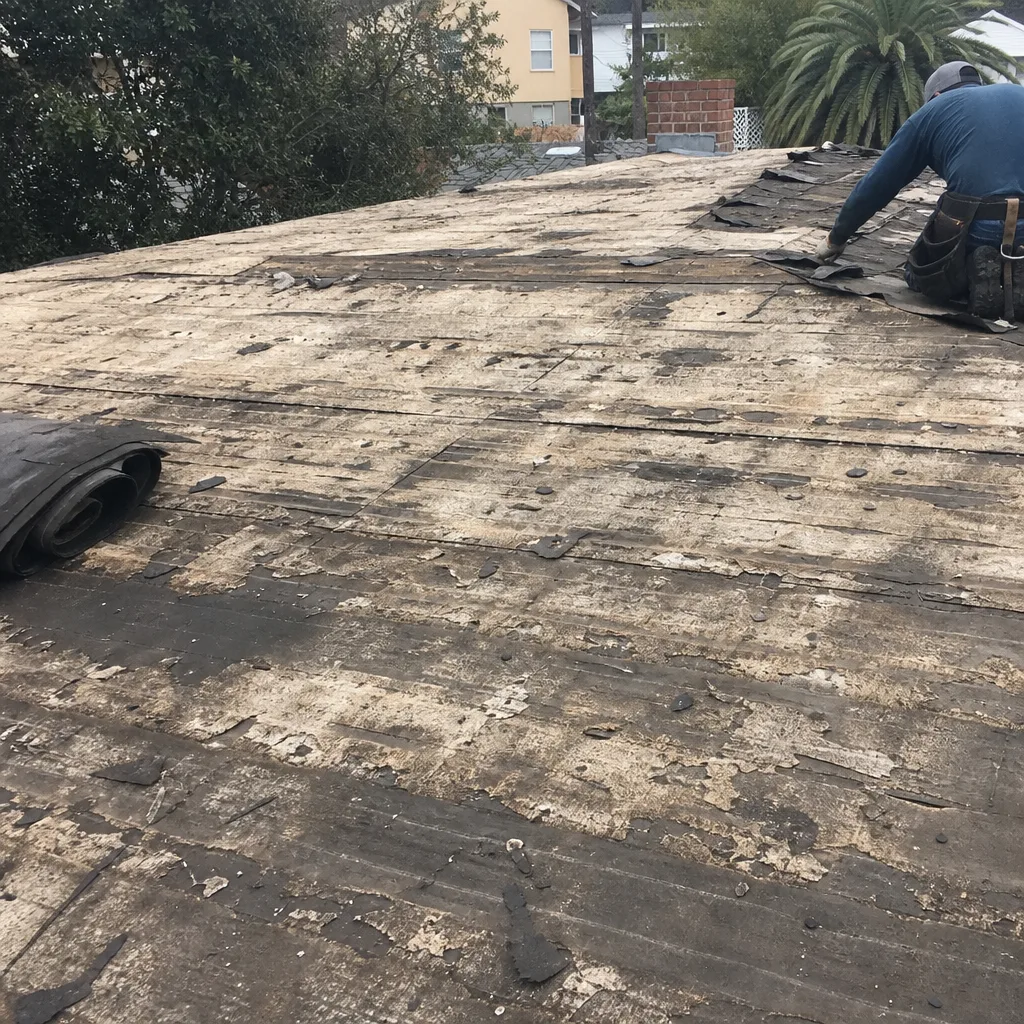 Before
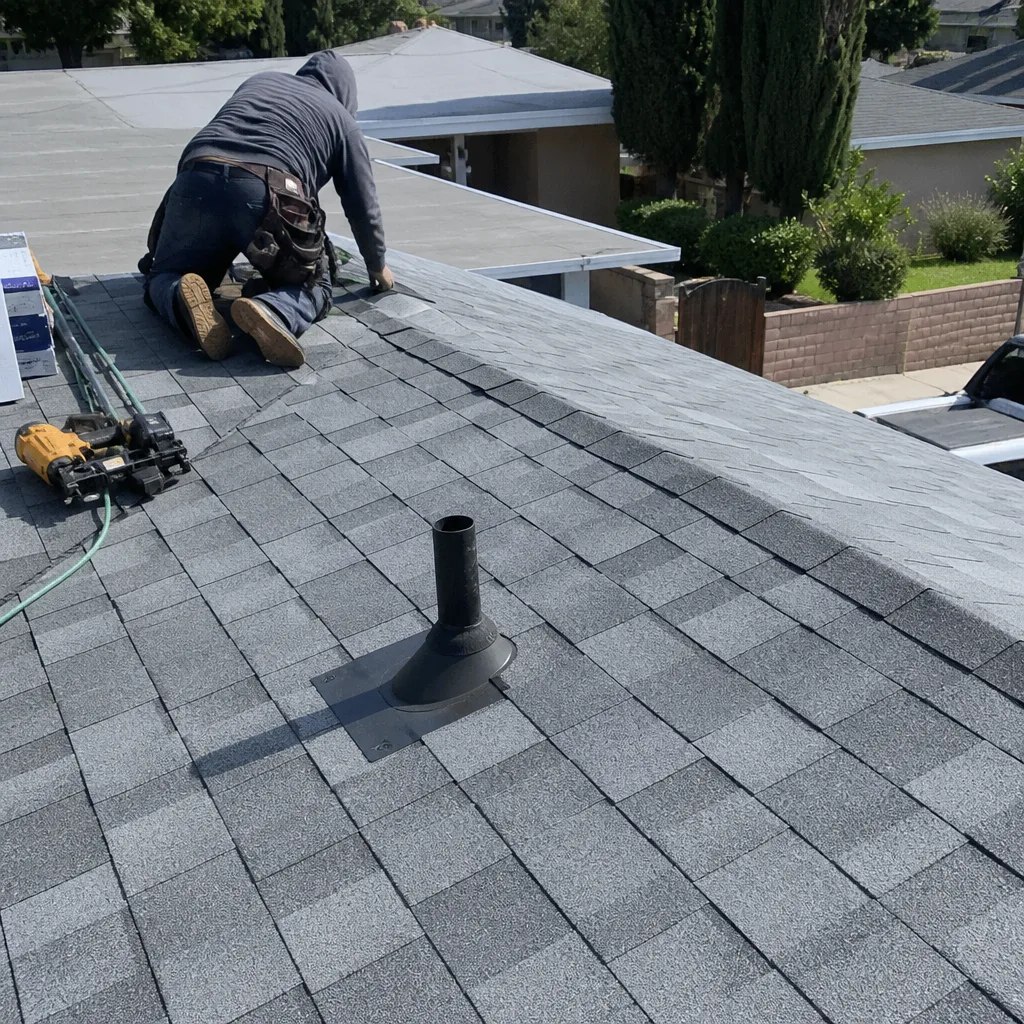 After
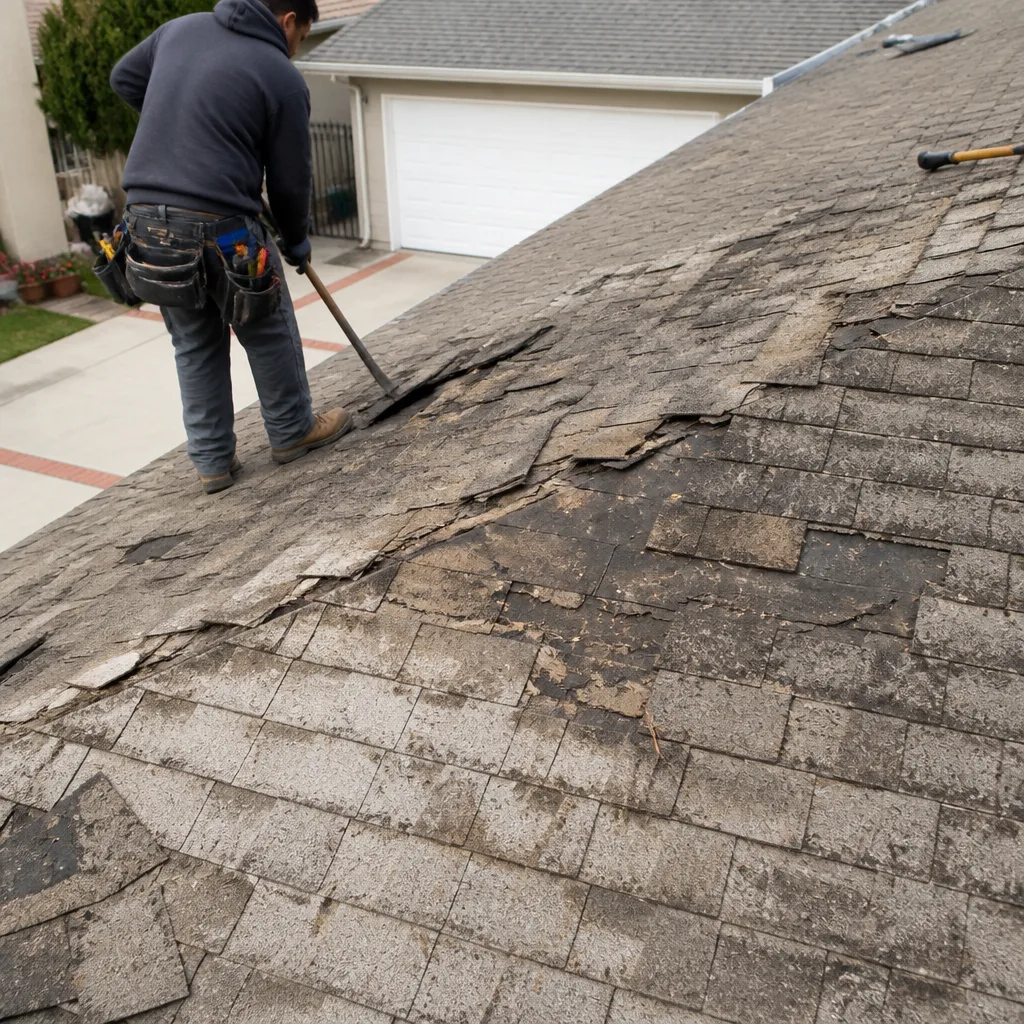 Before
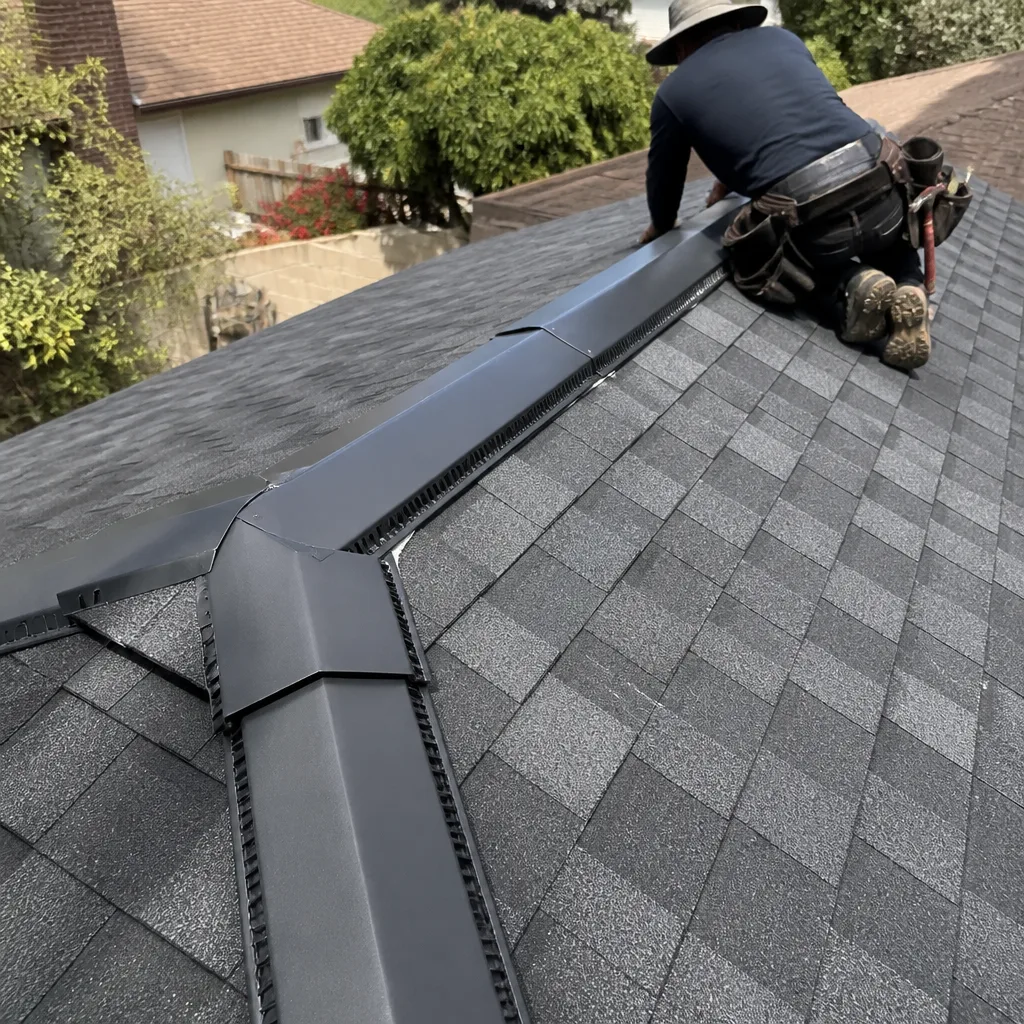 After
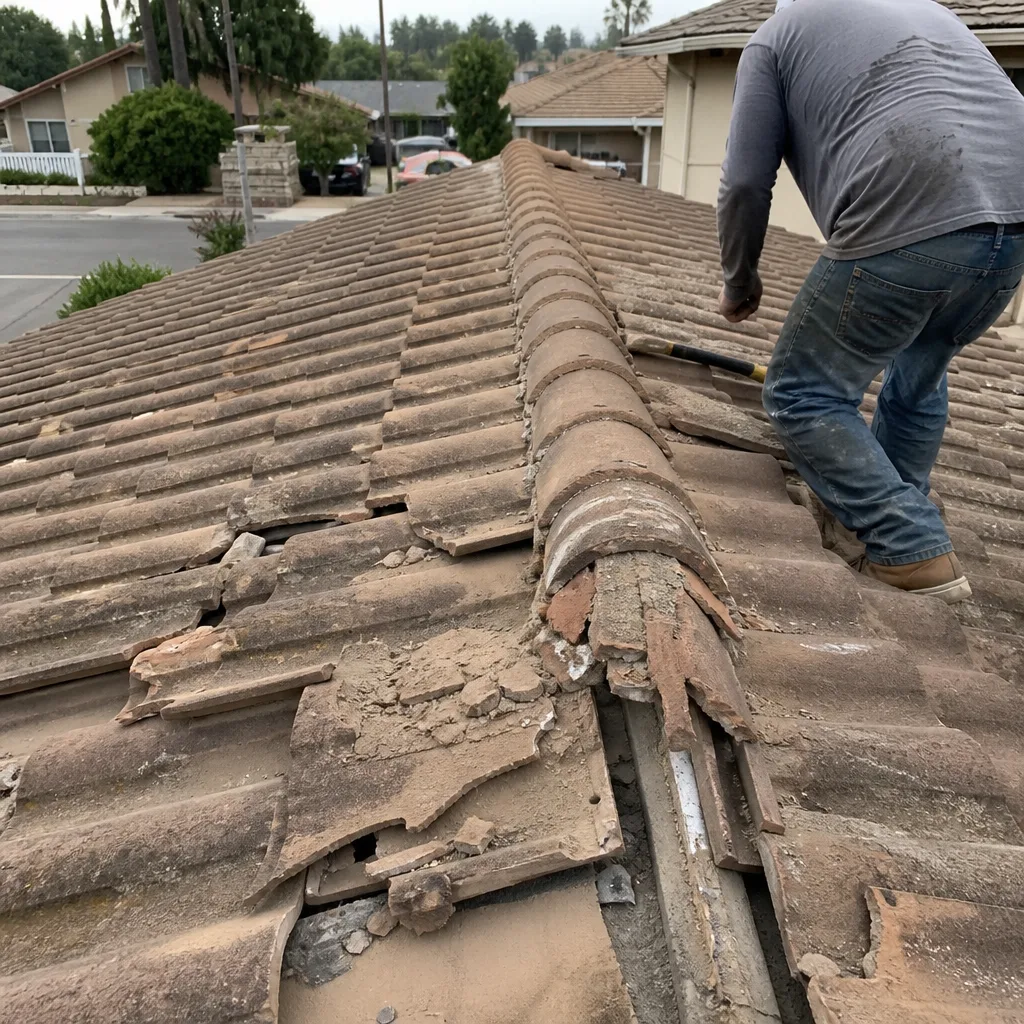 Before
 After